It feels like the Internet has killed the fun of taking snapshots of beautiful cities and people. So many times over the last four months in Mexico I've raised my camera (phone) to capture an impressive bronze sculpture or some baroque church facade then thought: This is pointless. A Google-image search with a few key words (Guanajuato, musicians, Don Quixote, Pipila) would produce hundreds of better-quality stock photos. We're saturated in instagrammable images. I miss those old pocket travel photo albums.
This might explain all the selfie sticks threatening to take your eye out in the crowded plazas on any given night here; putting yourself in the picture with all the famous stuff behind will guarantee a unique photo.
So I have very little in terms of a photographic record for my time here. Every view of the strolling musicians in the plazas, or the teenage girls decked in ballgowns for their quinceanera (debut) parties, the food vendors, the street singers dressed in Renaissance-style hose and puffed velvet jackets are already done. So done.
Then last week I finally started to see that the one signature-Guanajuato element that I've been captivated by is actually a worthy photo subject: the retaining walls that barely seem to be holding back the jumble of colourful, cubic houses clinging to the surrounding hills.
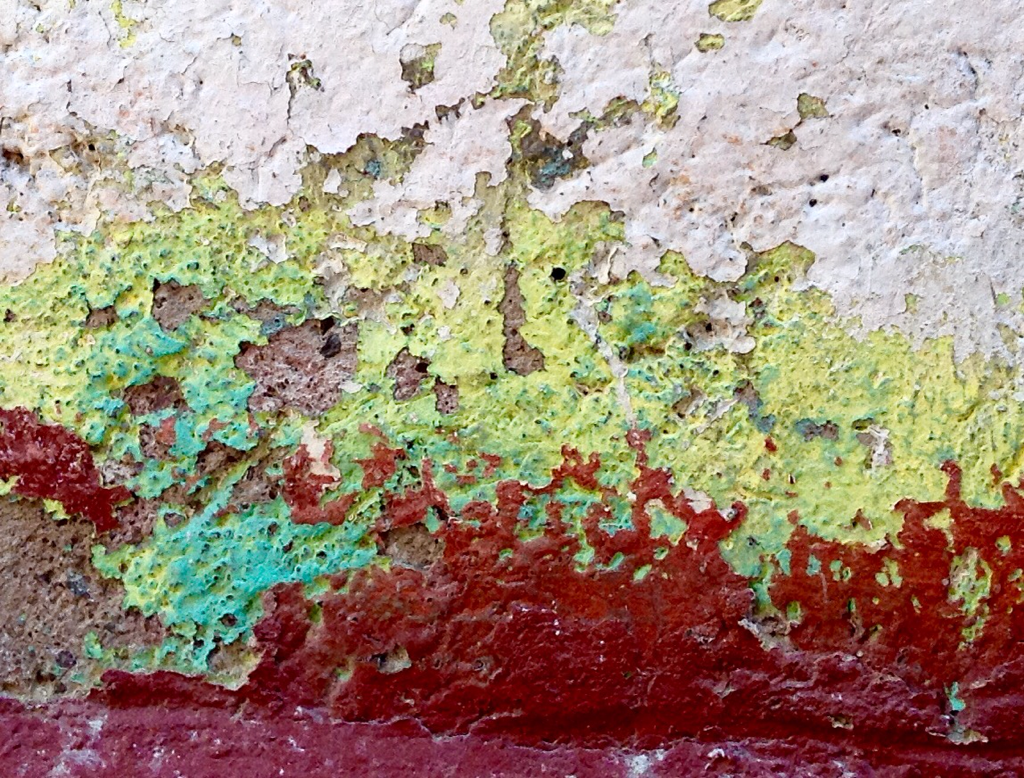
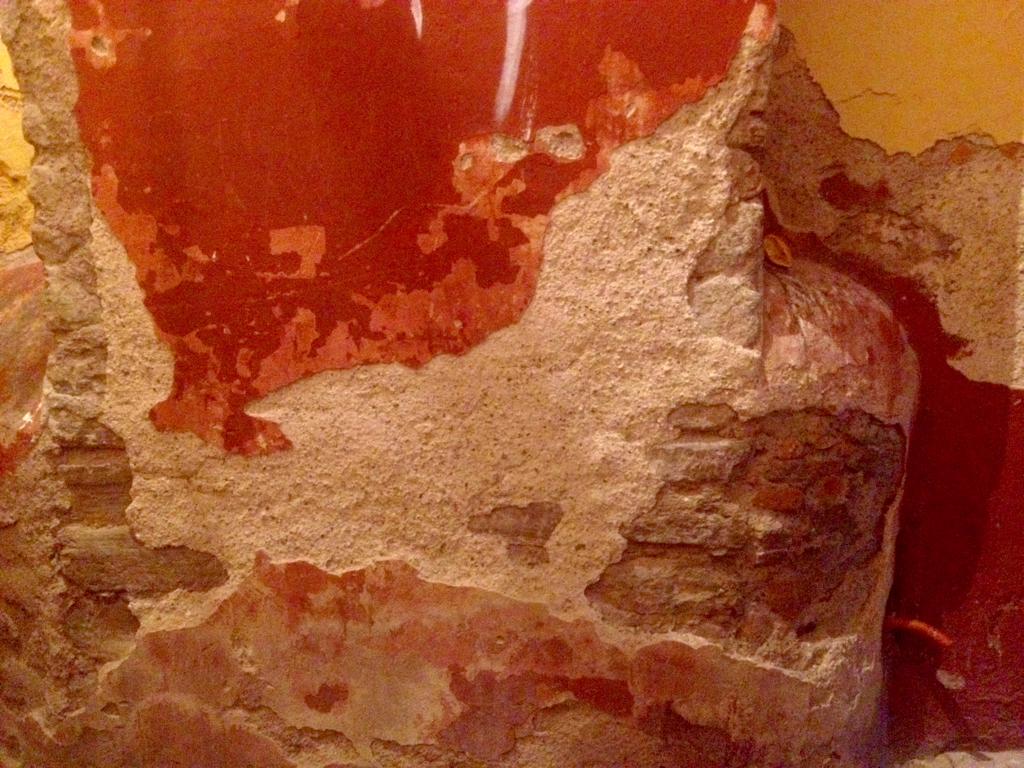
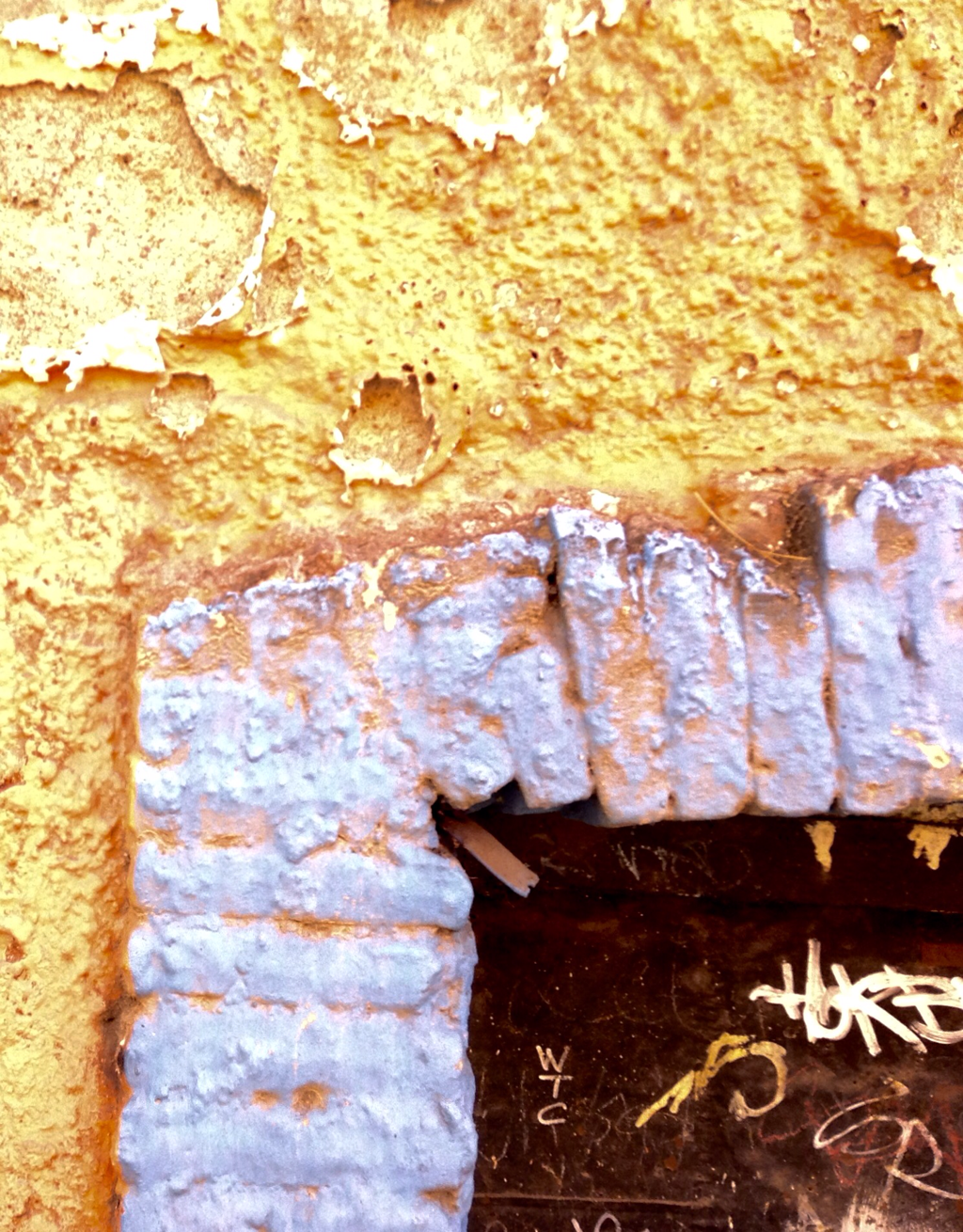
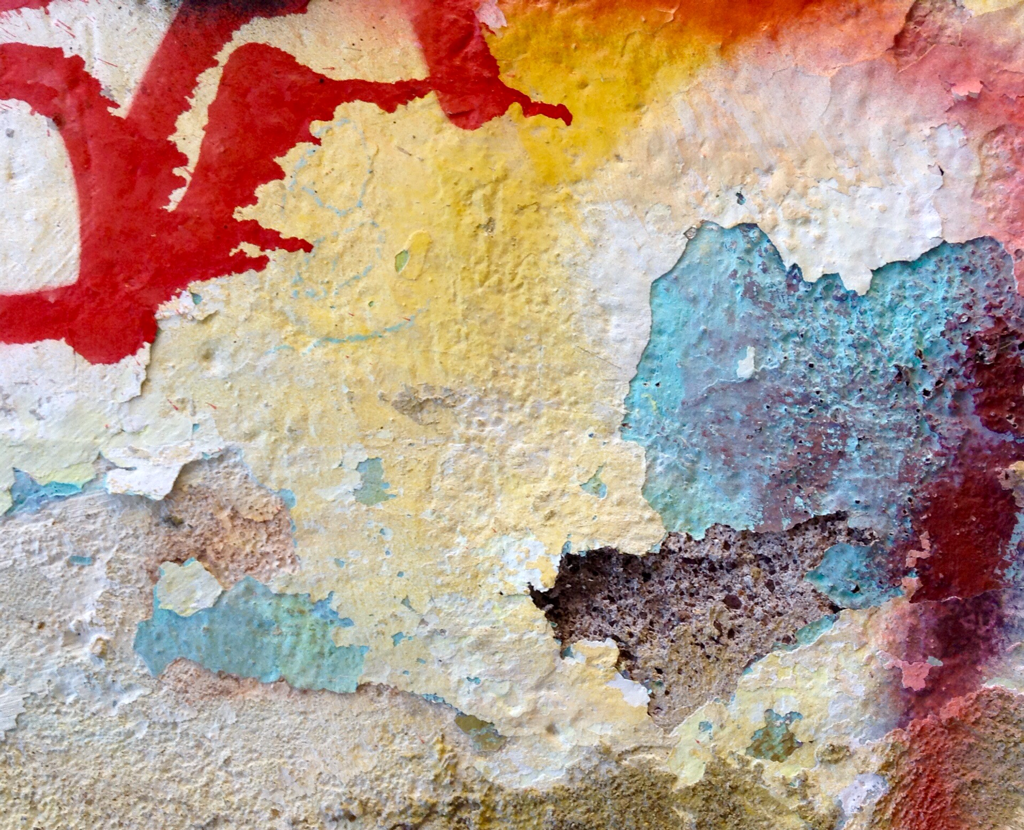
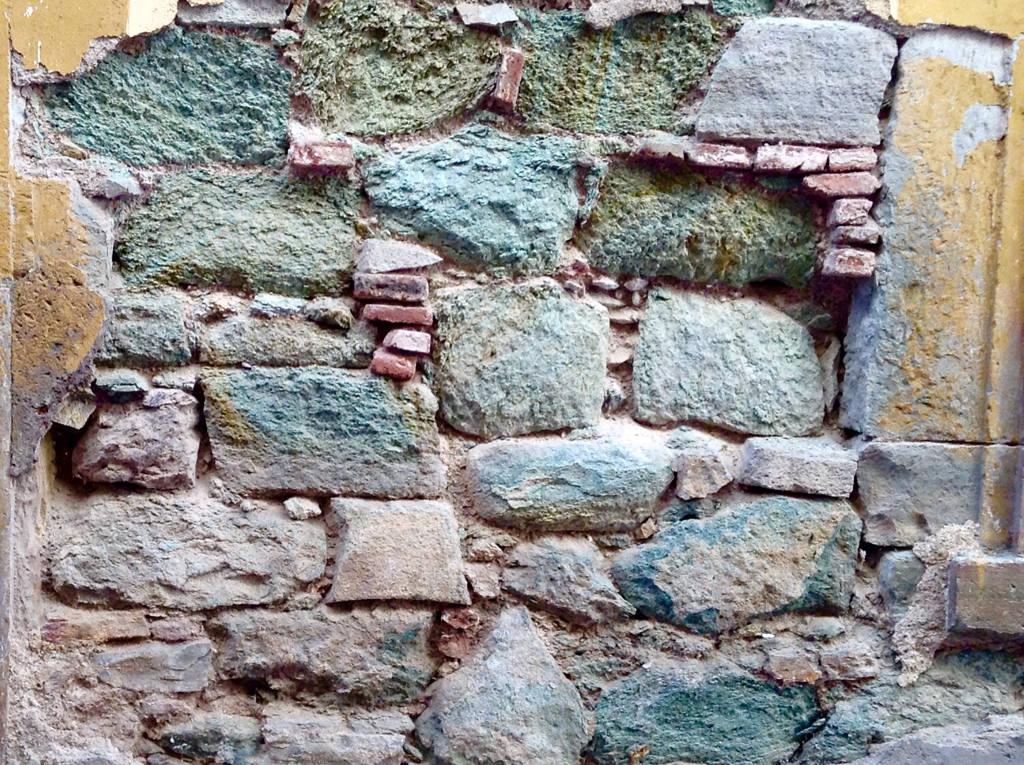
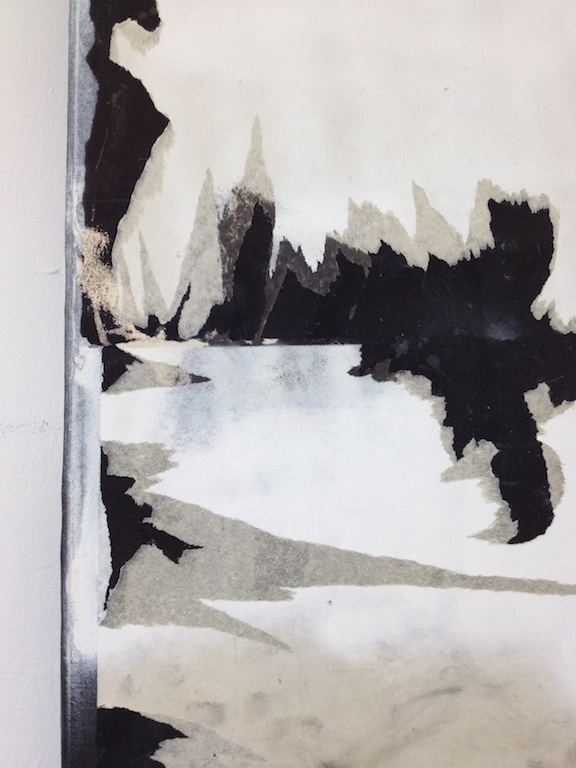
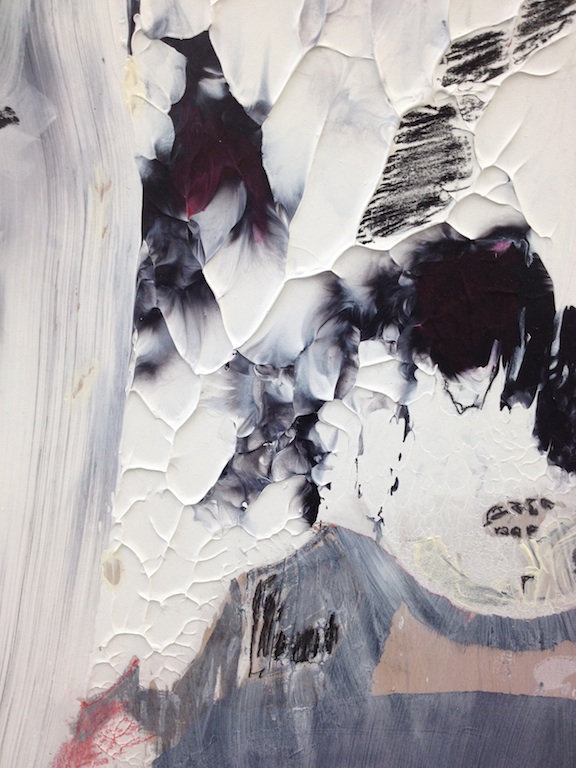
There's a compelling visual story in those layers of peeling paint on crumbling plaster on adobe bricks stacked on crudely cut limestone foundations. The traces of human activity in one section of wall speaks to the human habitation in this city that has its roots in the 1500s. It's quite a study in social history and handwork, an unplanned, almost invisible beauty, especially to a tourist whose port town of Vancouver has been replaced by a gleaming, pristine city of glass.
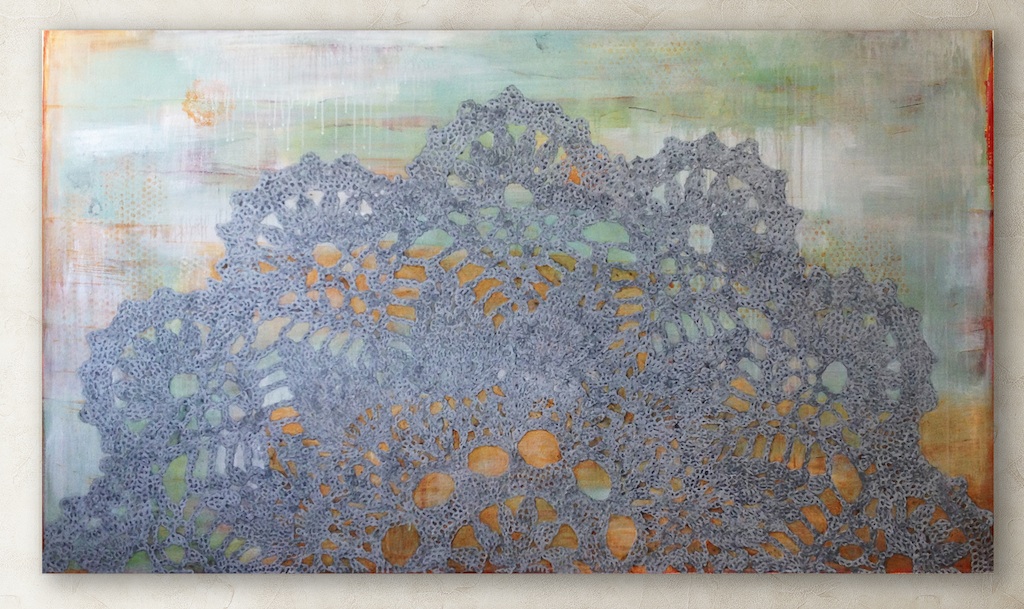
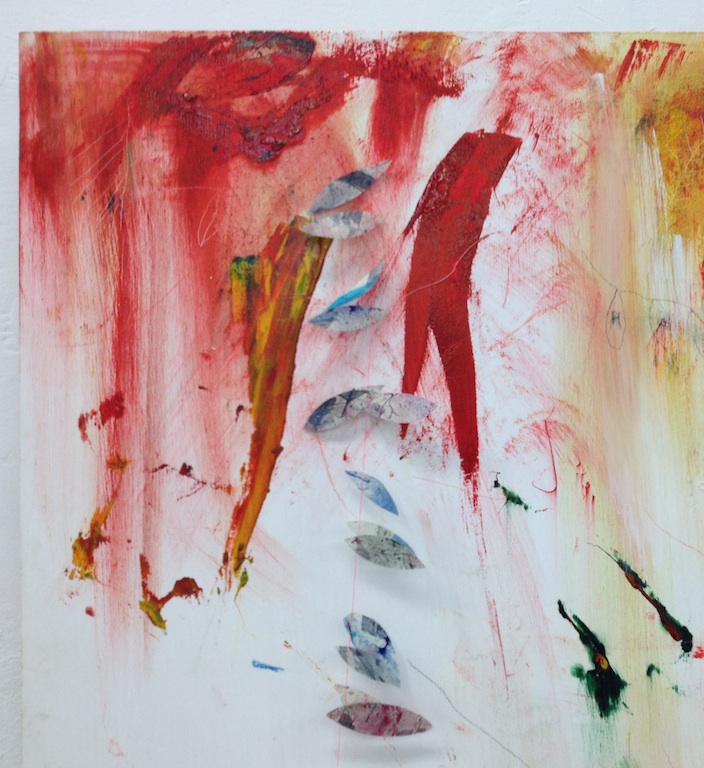
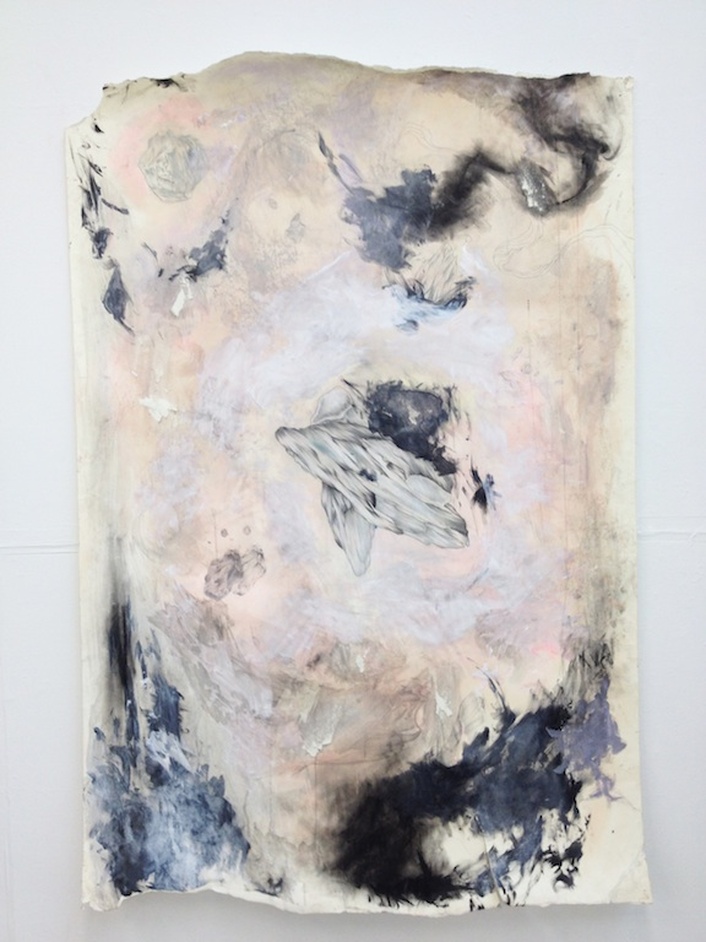
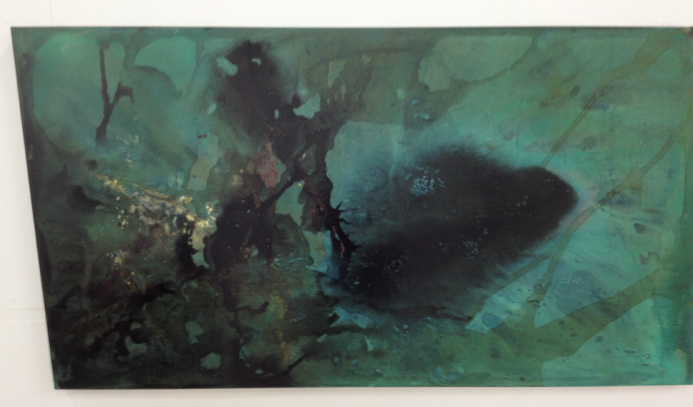
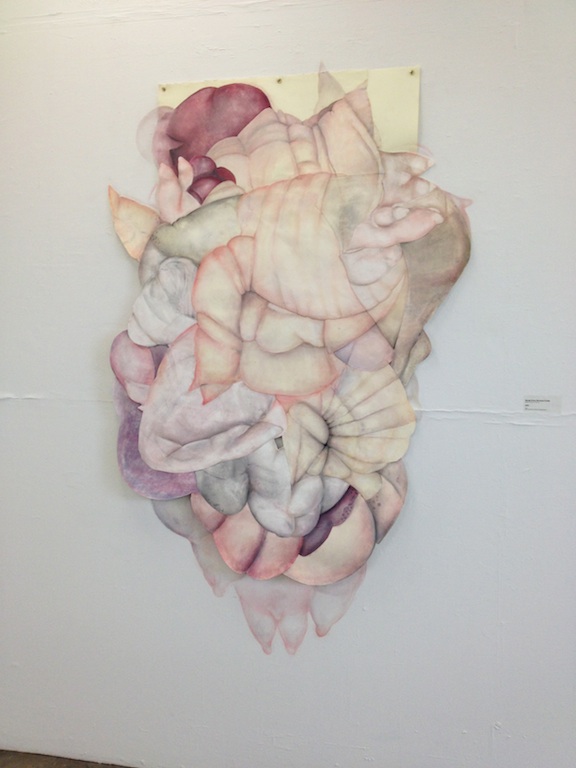
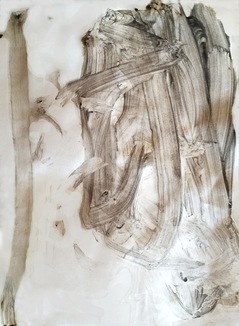
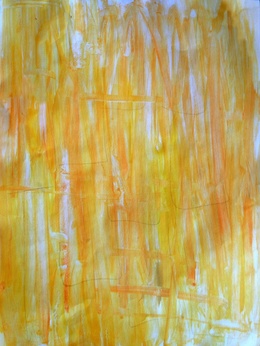
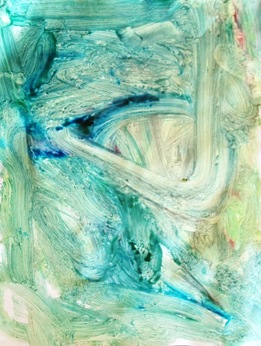
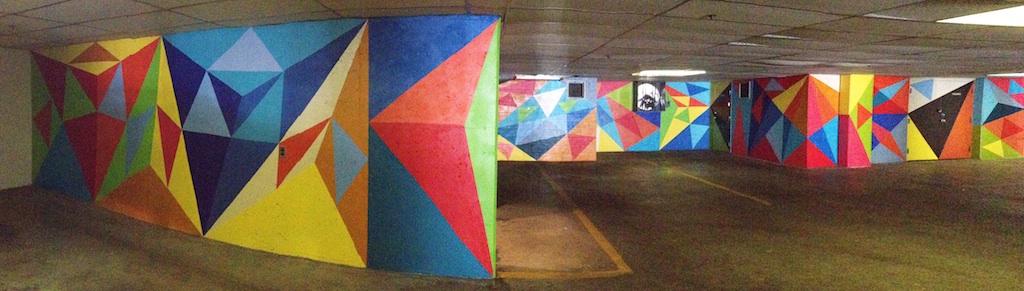
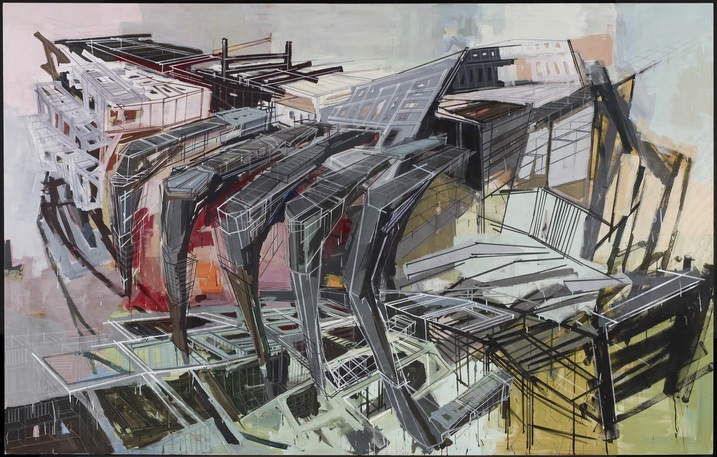
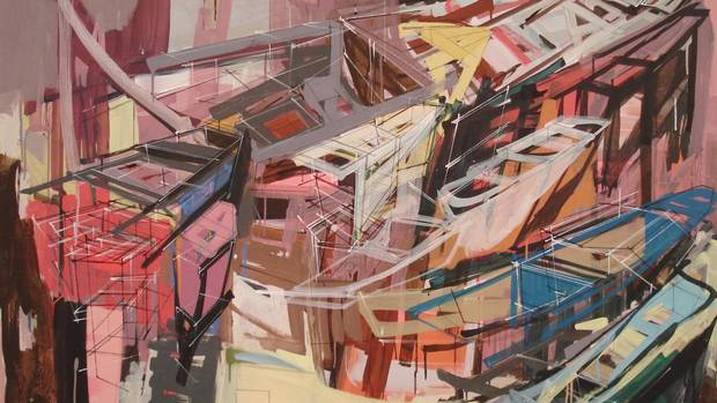
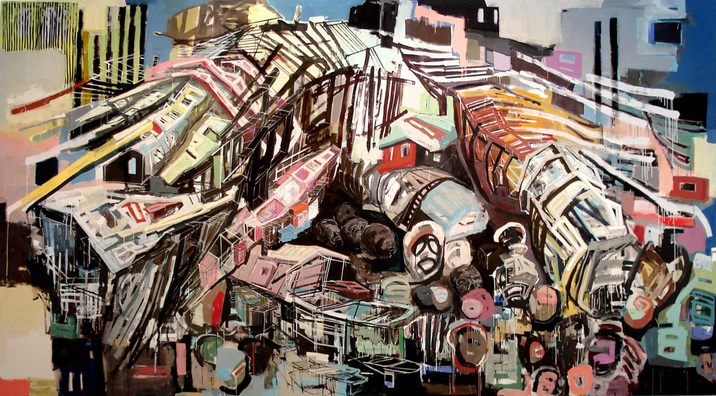
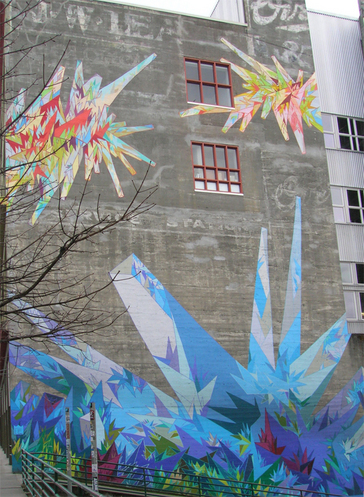
I'm seeing them as found abstracts, images of unintentional collages and mixed-media works by generations of people who work with their hands.
This might explain all the selfie sticks threatening to take your eye out in the crowded plazas on any given night here; putting yourself in the picture with all the famous stuff behind will guarantee a unique photo.
So I have very little in terms of a photographic record for my time here. Every view of the strolling musicians in the plazas, or the teenage girls decked in ballgowns for their quinceanera (debut) parties, the food vendors, the street singers dressed in Renaissance-style hose and puffed velvet jackets are already done. So done.
Then last week I finally started to see that the one signature-Guanajuato element that I've been captivated by is actually a worthy photo subject: the retaining walls that barely seem to be holding back the jumble of colourful, cubic houses clinging to the surrounding hills.
There's a compelling visual story in those layers of peeling paint on crumbling plaster on adobe bricks stacked on crudely cut limestone foundations. The traces of human activity in one section of wall speaks to the human habitation in this city that has its roots in the 1500s. It's quite a study in social history and handwork, an unplanned, almost invisible beauty, especially to a tourist whose port town of Vancouver has been replaced by a gleaming, pristine city of glass.
I'm seeing them as found abstracts, images of unintentional collages and mixed-media works by generations of people who work with their hands.
 RSS Feed