carlyn yandle
  • about
  • the creative process
  • crafted objects
  • public art
  • painting
  • exhibitions
  • contact

No use fretting over earthquakes

10/2/2024

 
Hand-makers will be the change when or if 'The Big One' hits​

Of all the things I fret over — a neighbourhood arsonist, identity theft, Trump burning it all down, an all-out war in the Middle East — ‘earthquake’ is not one of them. But it may seem like I’m tempting the fates, living on the west coast of Canada. True, it’s one of the few areas in the world where three tectonic plates are sliding around and occasionally crashing into one another to the tune of 1,000 earthquakes a year. And in what seems like a death wish, my travel is mostly within the Pacific Ring of Fire. I’ve experienced minor earthquakes in Vancouver, Kyoto and Oaxaca. I arrived in Mexico City two months after the 7.1-magnitude 2017 Puebla earthquake when excavators were still clawing at the rubble of mangled apartment buildings.
Picture
From https://en.wikipedia.org/wiki/Ring_of_Fire
Compounding this, I’ve always lived in older wood-framed places, the kind that tremble when someone slams a door or takes a run at the stairs, even next door. I understand that it’s just a matter of time before The Big One hits this region but this information doesn’t keep me up at night. When the bedroom walls shuddered at 4:05 a.m. this past Thursday I recognized it was an earthquake and when there was no follow-up seismic activity I turned over to get some sleep. I would have got some were it not for the guy outside calling out for an escaped pet (though I’m really hoping “Michael” is not the name of that hefty Burmese python that hangs around the neck and waist of a guy in the neighbourhood.)
​

I thought about the Go Bag that I put together (radio, batteries, Biolite stove/USB port, cash, plastic trash bags, emergency blanket, Leatherman, painkillers, protein bars, Life Straw) in the bedroom closet and the footwear beside the bed, because chances are that’s where we’ll all be if we’re at home when it hits.
If/when the neighbourhood is reduced to rubble, a lot of folks will be standing around in the debris-filled street pointing their dead phones to the sky, wailing at the lack of even one bar and praying that their saviour Elon Musk is doing something. Meanwhile, I will be gathering up scraps of tarps and shower curtains and Luxury Homes Coming Soon vinyl banners to rip into strips to braid into covers and bedding. I will be collecting armloads of scrap wood, loops of downed wiring, mangled metal gutters and tree limbs to bind into building blocks. I’ll be gathering people immobilized by shock to join in on these simple projects, or just regroup around my litter-fuelled stove for tea in the warmth of my makeshift shelter.
Picture
Picture
Scaffolds I, Carlyn Yandle, 2018: The design of the city’s clutter of construction cranes inspired makeshift structural units composed of construction-site scraps — piping, cardboard, conduit cable, building wrap, hazard tape, jeans, framing wood. The panels, lashed into triangular building blocks, are explorations of shear strength and diagonal tension of units built without tools or hardware.
Maybe my lack of fear comes from seeing The Big One as the ultimate test of an art practice motivated by a something-out-of-nothing sensibility. Engaging in repetitive, tactile activity also brings a sense of calm in the face of fear: emotional survival.
Picture
Picture
Seismic Rug, 2011: petroleum-derived fabric, thread. 60”OD x 8”H (Carlyn Yandle)
Seismic Rug emerged in the hours, days and weeks following the Japan earthquake and tsunami of 2011. The rote action of braiding quelled the hand-wringing as the disaster unfolded, often in horrific real time. Undulations created by increasing and decreasing tension reflected my own moments of tension as well as the concentric waves from the undersea earthquake that led to the devastating tsunami. It was woven from a desire for quietude, reflection and meditation but it also functions as an artifact of humane activity in a worst-case scenario.
​

Rest assured that in the event of a West Coast version, while you digital-nomadic gamers and Cybertruck-owning marketing executives stand in puddles moaning over your lack of connectivity, I’ll be grappling with the physical world. I’ll be the busy lady in the barbecue-cover poncho.

Home isn't someone else's investment unit

9/17/2024

 
New modular building blocks create a visual for more humane density
​

I blame my dream-home fantasies on that OG influencer Martha Stewart.
​
When the thick, slick Martha Stewart Living was queen of the magazine racks I was there for the Crafts: the rustic doorstop animals made of French linen tea towels; the velvet lavender sachets for drawers and for gifts. Soon I was sucked into the glossy paper vortex of step-by-step tableaux of Martha — in cropped jeans and crisp Oxford shirt — engaged in various Good Things like washing her paned windows using vinegar from a glass sprayer or sweeping her freshly-painted porch with a birch-twig broom. I was led to believe that people who weren’t already trained pastry chefs or architects could create the Halloween gingerbread haunted mansion, and that one day I too would have a fireplace mantle to display handmade snowglobes nestled between mason jars of glittered cedar boughs dangling with tiny crocheted snowflakes. Never mind that my wreath of pinecones tied with tartan ribbon and tacked to my apartment door wasn’t adding any rustic Christmas vibes to the purple-and-teal common hallways. This was all temporary.
Picture
By the time Martha finished doing her five months for fraud, I was half way through 20 years in the same apartment, engaged in the more practical project of trying to live a creative life in a small space (sprawling in comparison to the majority of new builds in Vancouver). I ended up writing a weekly newspaper column on the subject and even partnered in a home re-vamp service that funded four years of art school. Dwelling design remains one of my Special Topics so when I heard first thing this morning (at the time of this writing) that the provincial government had released some free modular plans for small-scale multi-unit housing, I jumped onto the site for a look-see.
Picture
Streetscape concept of multi-unit integration with single-family homes, Standardized Housing Catalogue, BC Ministry of Housing
Because when it comes to affordable housing in this town, things can’t get worse (barring, of course, the imminent earthquake a.k.a. “The Big One”). According to one report, last year Vancouver’s median home price was more than 12 times the median household income, making it the third most expensive housing market in 94 cities around the world. Many of the investment units in Vancouver’s soaring glass towers are now languishing on the market, because even if they were affordable, “home” does not conjure up visions of 35 floors of stacked 500-square-foot rectangles with one wall for windows and no outdoor space.
​

The customizable building blocks are an attempt to provide an option to this modern-day warehousing of humans, a step toward addressing the missing middle between standalone houses and condo towers. They were developed following recent zoning changes that allow three or four units on the standard city lot, to the horrors of NIMBY owners in those single-family-home neighbourhoods and to cheers from developers. To curb design and construction costs and expedite the permitting process, the limited options of modular blocks are basic. One shows two bedrooms with a shared bathroom. The common-area block shows a surface that is both dining table and kitchen island with sink, with the rest of the kitchen along one wall. No balconies are indicated and there are not a lot of windows. Every unit shows stairs.
Picture
Placement options on various lot sizes, from the Standardized Housing Catalogue, BC Ministry of Housing
Picture
Common space options, Standardized Housing Catalogue, BC Ministry of Housing
Picture
Multi-family dwellings on a standard city lot, Standardized Housing Catalogue
Picture
On the upside, they are connected to the earth and integrate into established communities. They open up the possibility of having a baby, aging in place, living with or beside other relatives or families of choice. They are the kind of home that might incline a crafty type to collect pinecones from the mature trees in those longstanding neighbourhoods and glue-gun a wreath to hang on the front door. 
​
It’s a Good Thing.

A useless thing with many functions

4/10/2019

Comments

 
The brilliant part about being an aging female is your growing self-acceptance. Maybe this is because you don't feel that ever-present gaze anymore so you’re not feeling as judged. Or maybe it’s because you’ve just had enough of all that and it’s tiresome and dammit you like to be cozy so screw them.
 
Part of my self-acceptance is stepping out of the ‘should-storm’  of art-making and doing what I love to do with my hands: hunting down materials that have already had their first use and playing up their inherent qualities through knotting, weaving, tying, stitching and binding. I want to work repetitively, easily, without technological assistance and without haste or waste. And in doing so I’m carving out space and time to calm down, reflect and to think deeper — more crucial as the distractions threaten to take over.
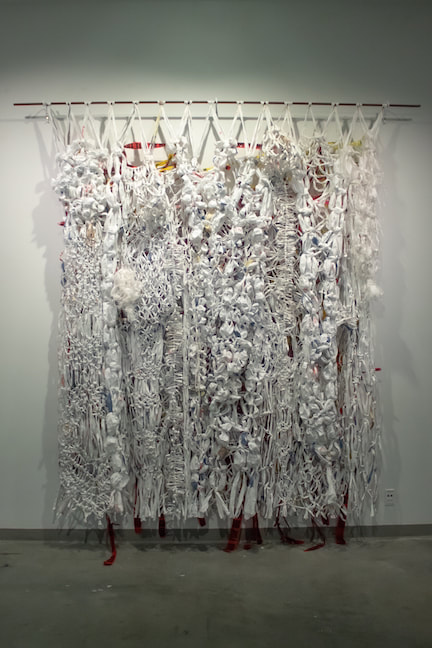
PictureNate Yandle photo
In this way the work is not just in the form or connotations but the well-being and challenge that is relatable to makers who may or may not self-identify as artists. Wrapped up in there are issues of endurance, innovation, history of labour, the learning of the skill, dedication (and frustration), the specific culture and history of the method, the muscle memory that extends back to childhood, and the relationships built through the gathering of the materials.
 
Through this making I make some hay over the established boundaries between the privileged art world and real life, between craft and sculpture, between tactile and political action.
 
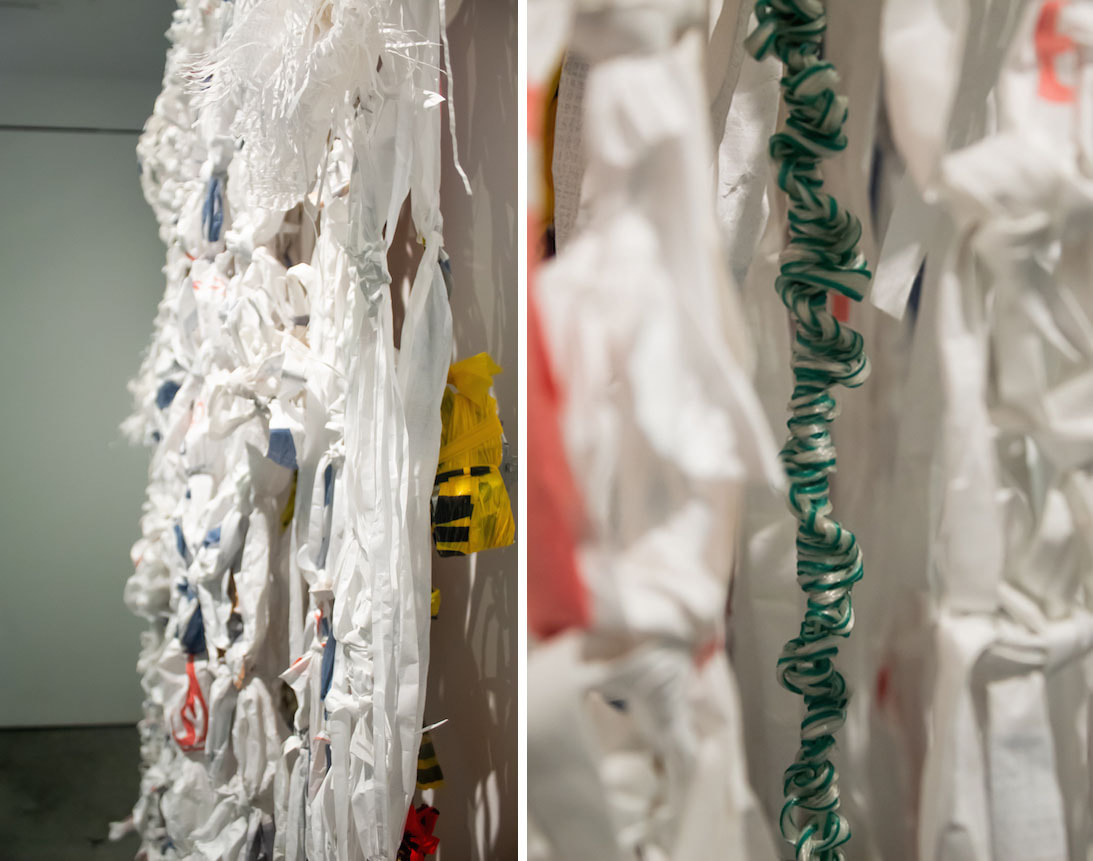
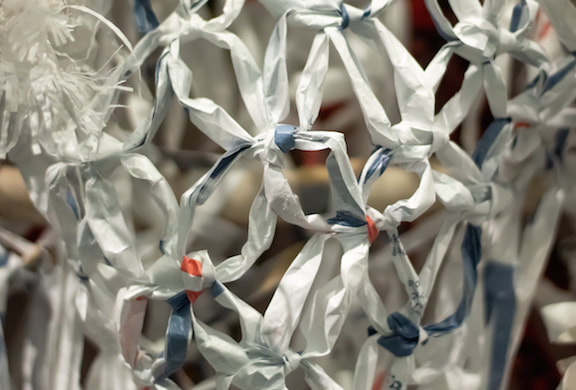
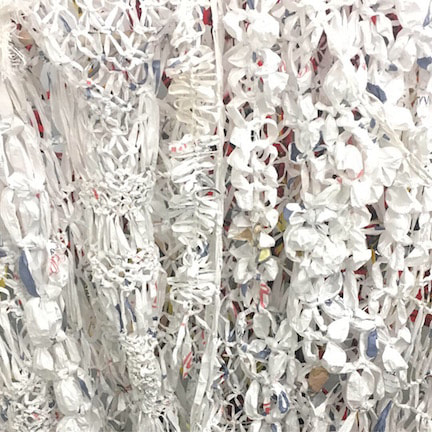
Scaffolds is composed of found spun-polyester building wrap, tarp and nylon cord over an armature of waste construction materials including caution tape, PVC piping, rebar, conduit, baling wire, and junction boxes, all attached through simple knots.
 
Special thanks goes to the construction workers who delivered these materials from their many jobsites to my studio for my useless work with many functions.
Picture
Nate Yandle photos
Comments

My needling starts with a need to build community

11/10/2018

Comments

 
Picture
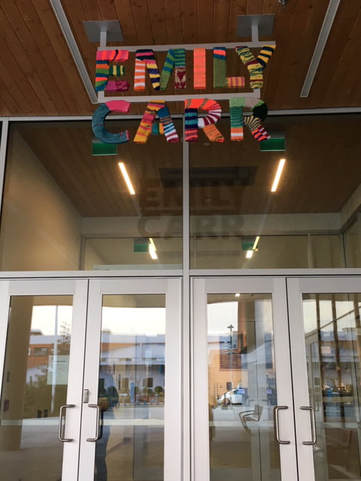
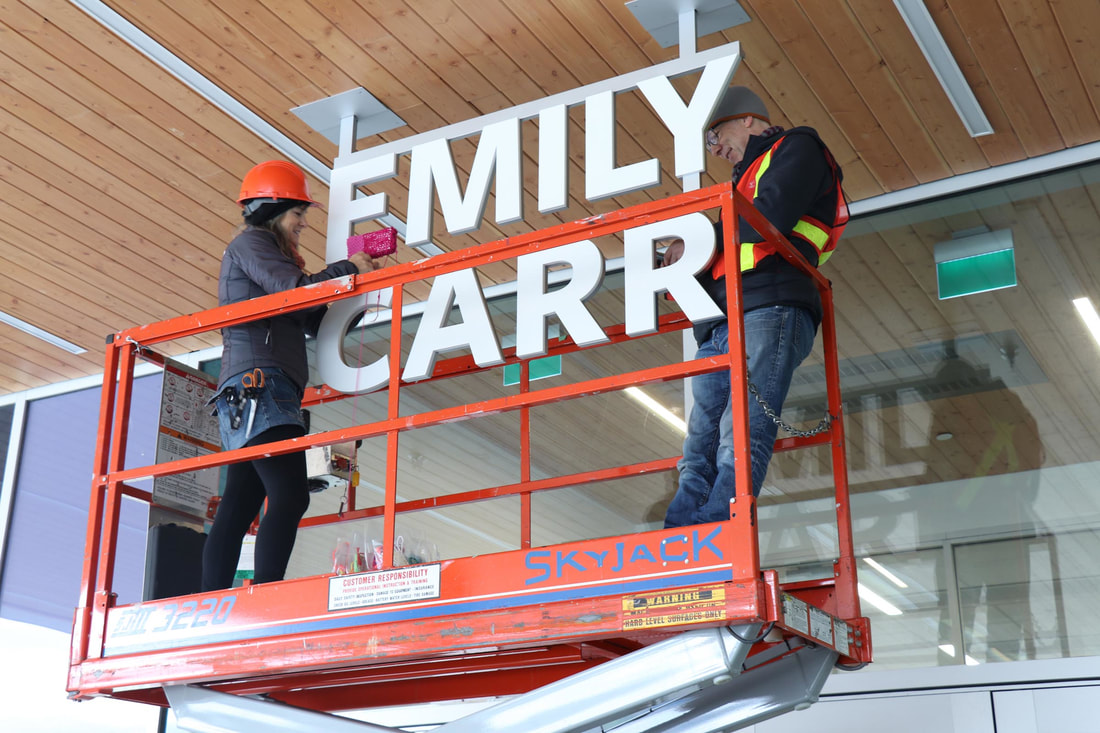
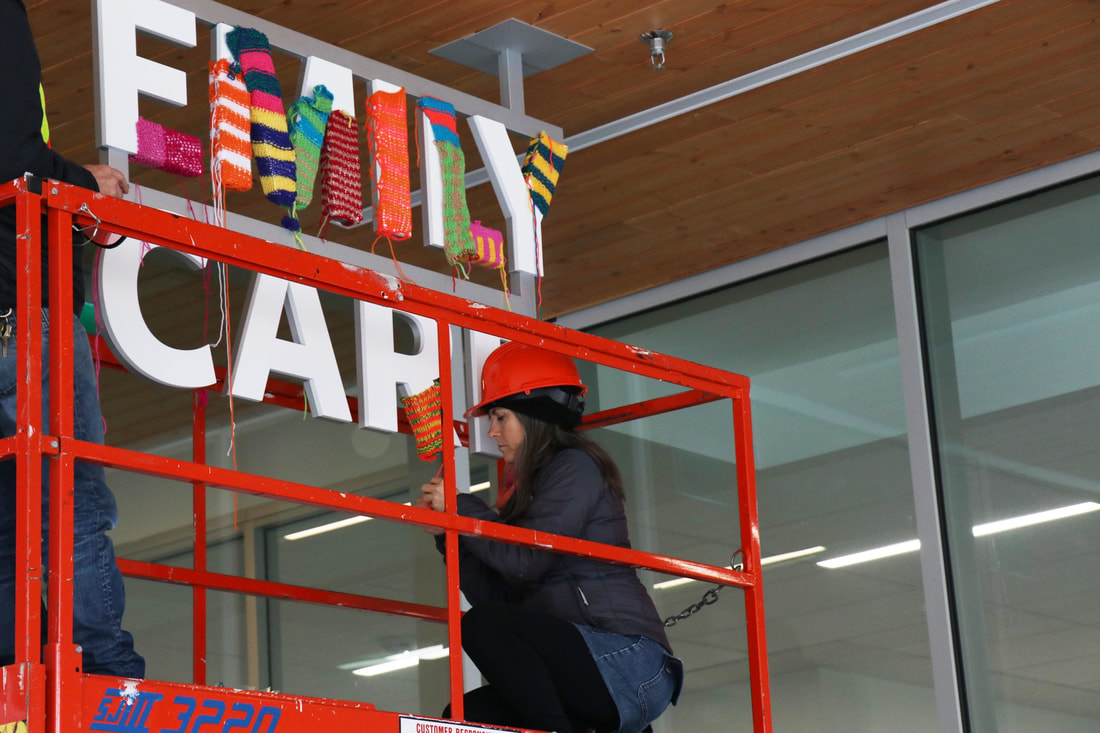
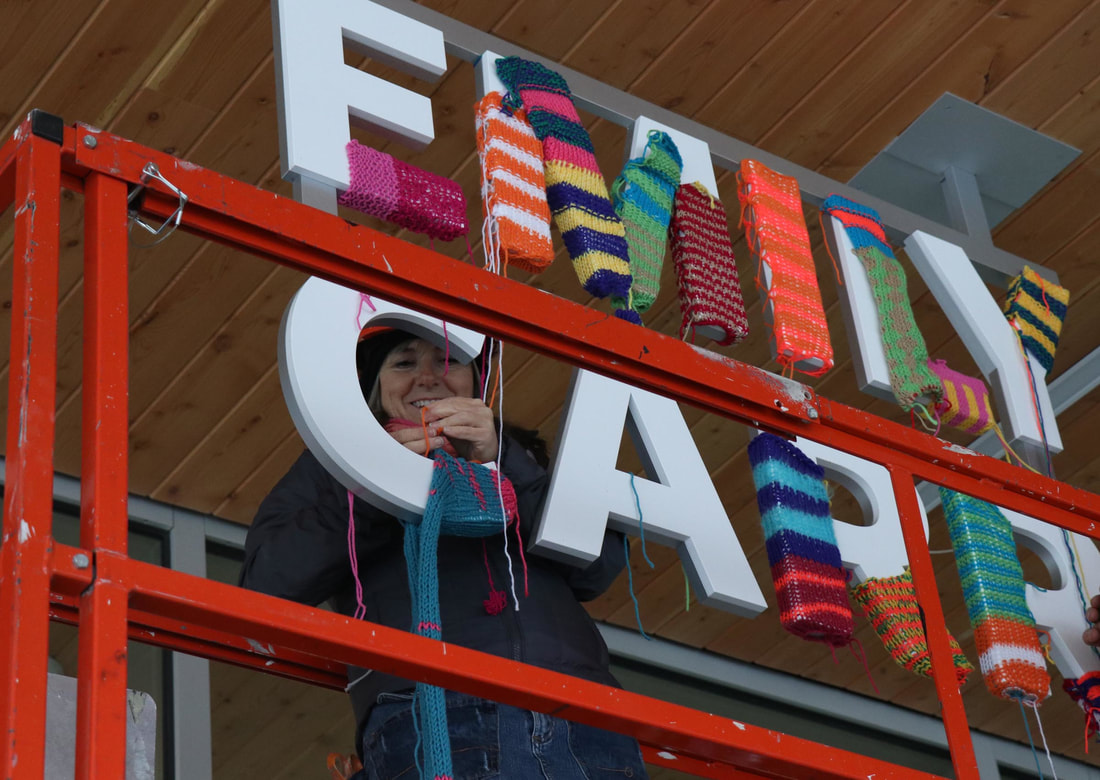
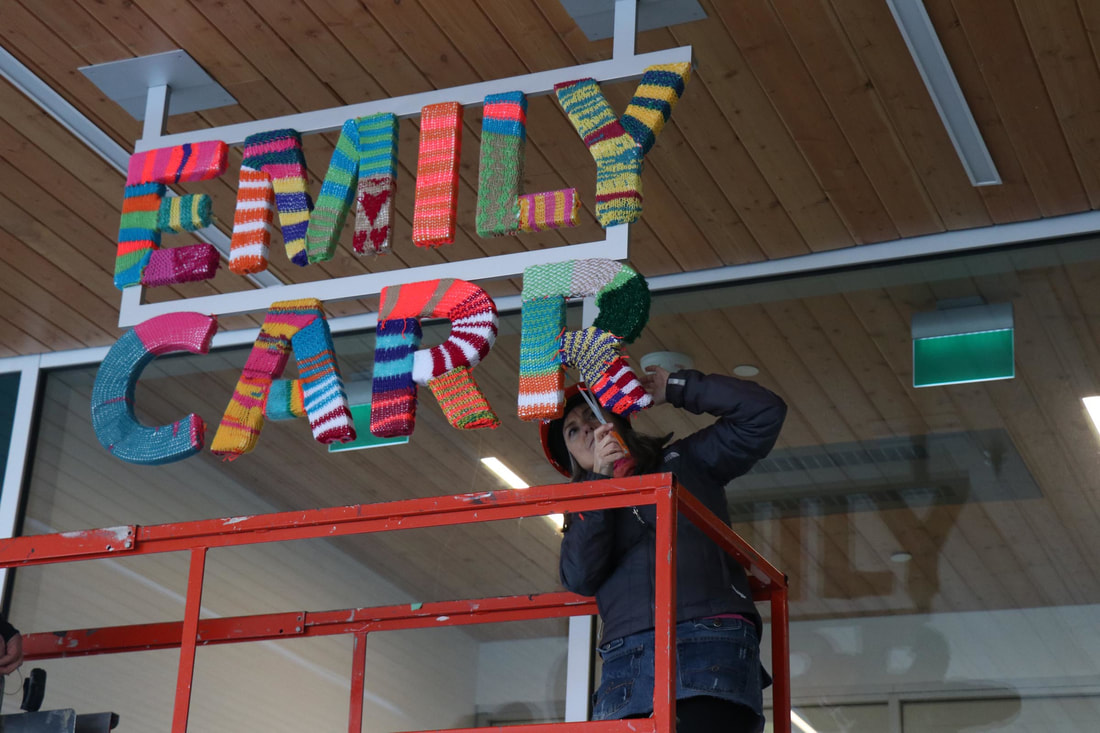
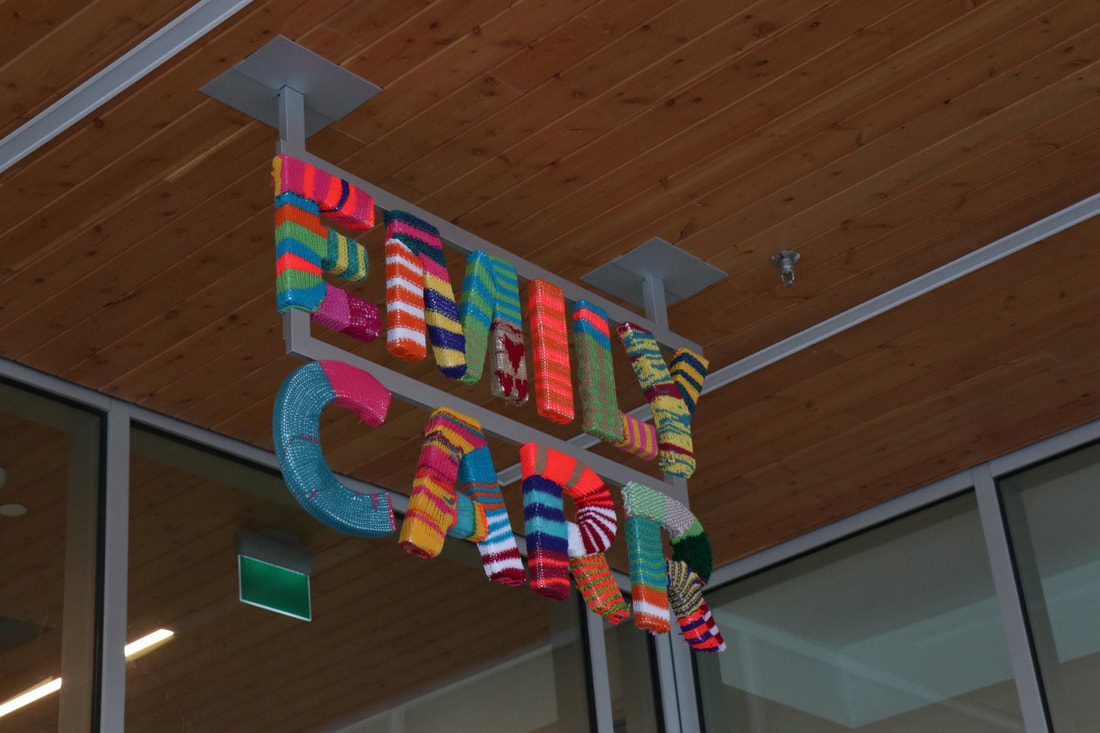
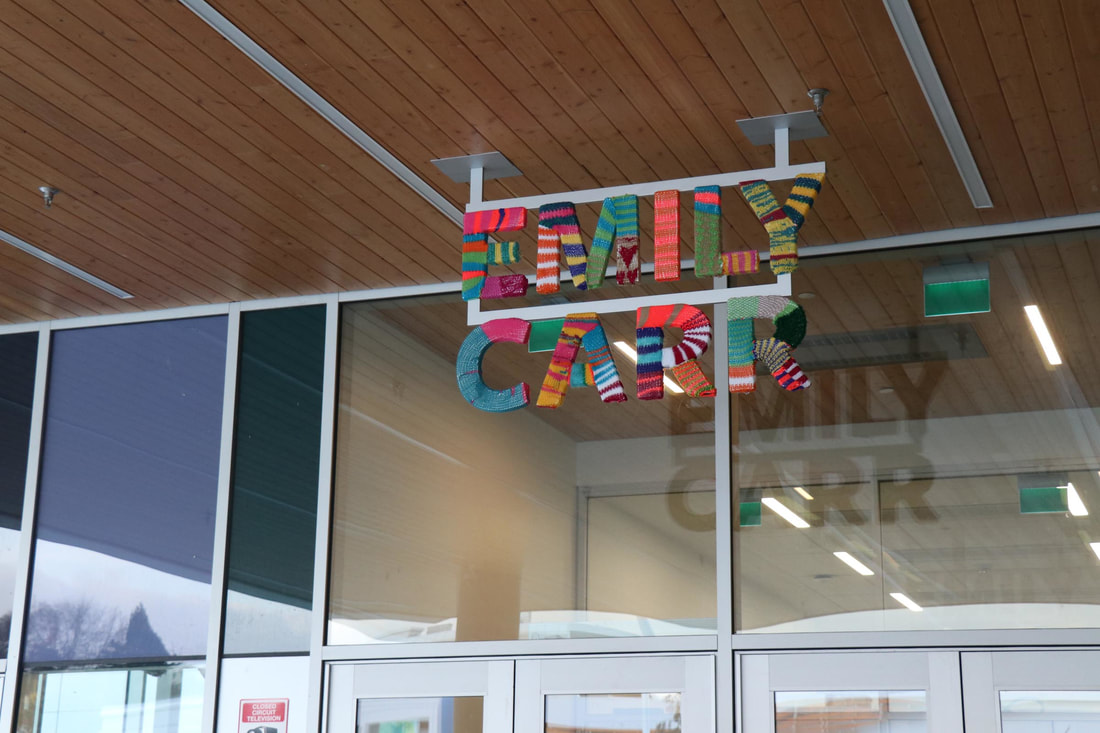
The other day I did this because it really needed to happen. All that gleaming new-campus architecture, surrounded by other gleaming buildings and gleaming buildings yet-to-come was begging for a little fuzzying up.

I did my undergrad at the old Emily Carr University of Art and Design campus which was decidedly less smooth and metallic and more crafty, situated as it was in the Granville Island artisan mecca on the ocean's edge. I liked running my hand along the old wooden posts carved with decades of scrawled text, and all the wiring and ductwork that in the last few years looked like a set out of Brazil. I miss the giant murals on the cement factory silos next door and the funky houseboats and the food stalls in the public market and Opus Art Supplies 30 feet away from the front entrance.

The new serene, clean Emily Carr building is surrounded by new and planned condos that most students could never afford, high-tech companies and, soon, an elevated rapid transit rail line. As much as I wanted to return for graduate studies, I was not convinced that I would be a good fit here, so asking for permission and access to the sign was a bit of a trial balloon for me. I got quick and full support for the idea and its installation, and now see this new white space as a blank canvas, ready for the next era of student artistic expression.

This is my first solo yarn-bombing foray. A bunch of us attacked the old school back in the day for a textile-themed student show but I have yet to meet my people here. So the Emily Carr Cozy is not just a balloon, it's a flare. Is there anybody out there?

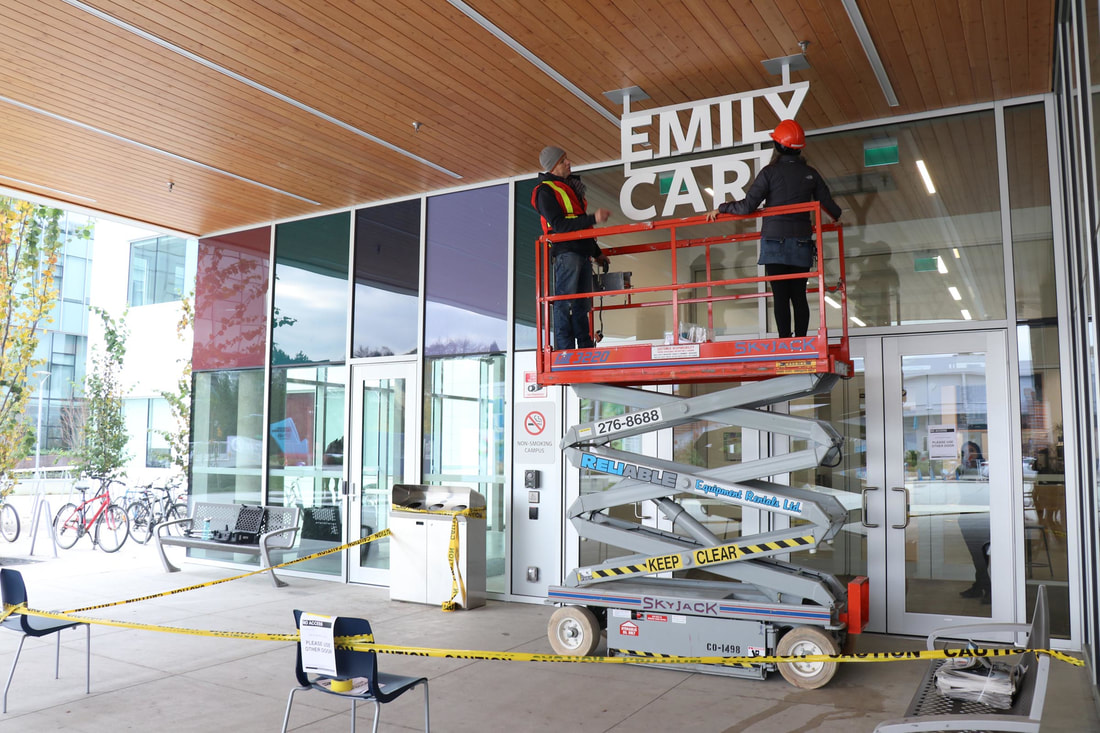
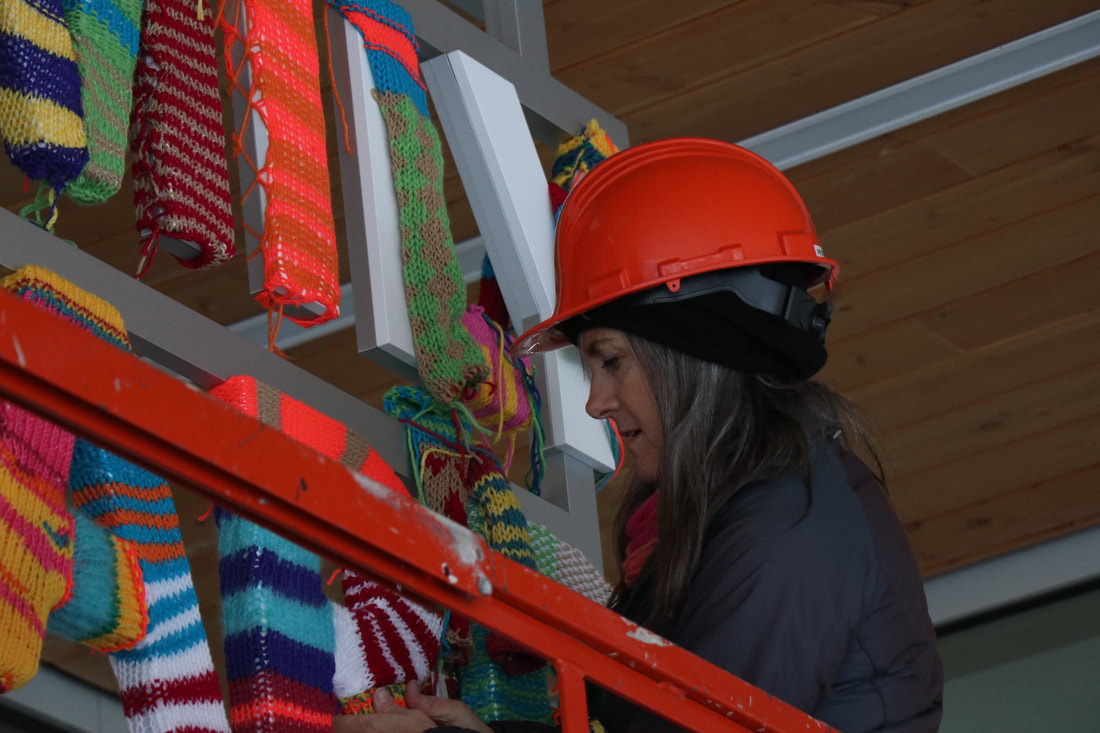
As I busied my freezing fingers with the stringy stuff (in hard hat, on the Skyjack operated by design tech services maestro Brian) I kept an ear out for reaction. And it was good. Sharing the fuzzy intervention on social media (#craftivism, #subversivestitch etc.) reminds me that I am not alone in my need for needling authority. Indeed, this public performance includes behind-the-scenes connecting with my community of makers to collect their leftover yarn and thrift-store finds even before the main act. (You know who you are.)

Textile interventions in the public sphere have a way of provoking polarizing responses. Some love the often-chaotic hand-wrapping of colourful fiber; others view the crafty messing with architecture with disdain of all things cozy and crafty and engendered female. I liked the idea of having to wear a hard hat and working for four hours in a Skyjack, in the mode of construction workers in the immediate vicinity of my rapidly changing hometown, to complete my knitting job.


Picture
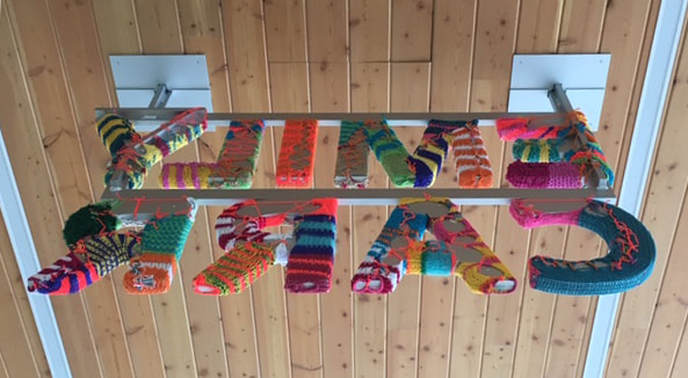
The reverse side of the Emily Carr Cozy, seen only from the interior of the school, is like the work behind the scenes in my making: chaotic, improvisational and maybe more interesting than the public side. (Carlyn Yandle photo)
A visual of the process, below. (All photos by Caitlin Eakins)
Comments

Wild, brilliant colour is rocking my concrete-grey foundations

11/17/2017

Comments

 
Picture
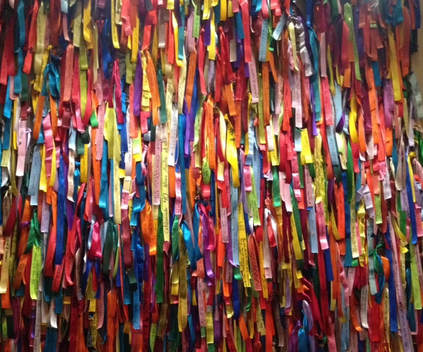
PictureA wall of a Peruvian restaurant in Merida, Mexico is devoted to customers' reviews written on ribbons. Carlyn Yandle photo
Modern science calls it bunk but I am fully on board with chromotherapy, an alternative medicine branded by the labcoats as a pseudo-science. The preferred term is photobiology now, an acknowledged science that includes the indisputable benefits of light therapy. I prefer the more mystical "chromotherapy" because it's less about rational explanations and more about feeling. And, for the synaesthesiasts (more specifically, those of us who experience chromesthesia), the beautiful music.

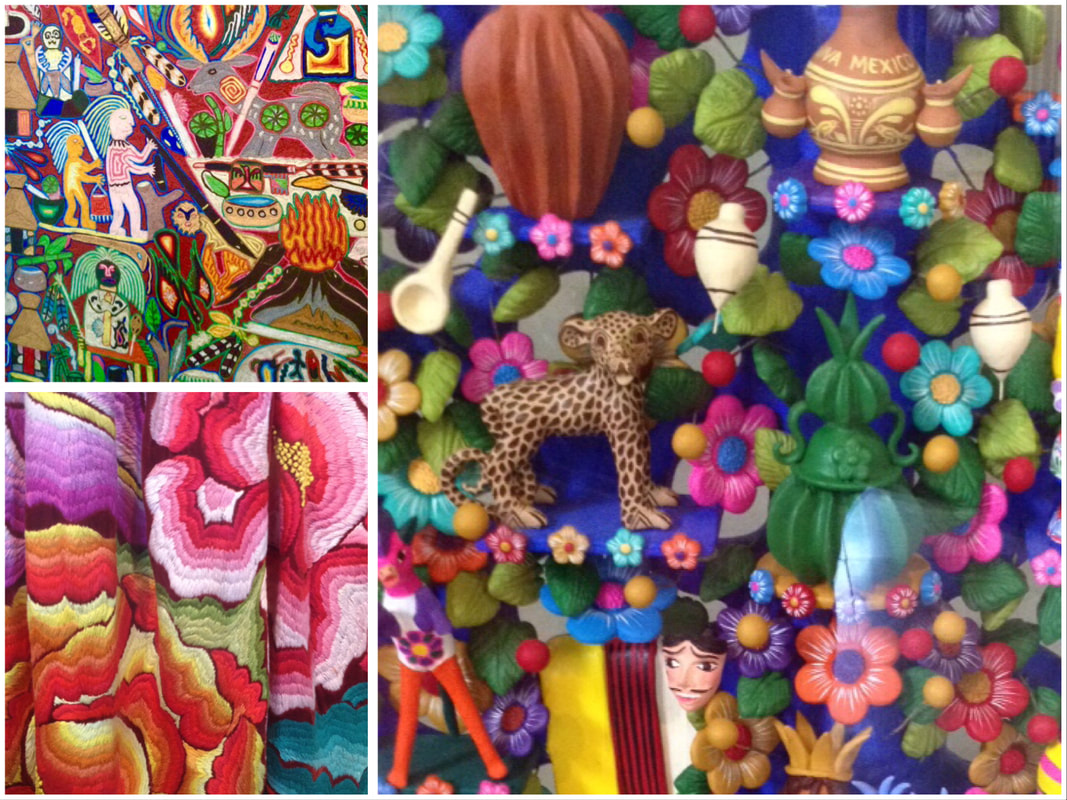
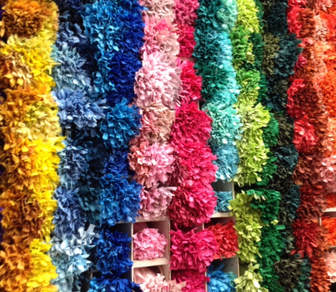
Consider these accompanying images from southern Mexico. Bask in the warmth of these visual fields of wild, intense, unrestrained, unleashed colour jumping out of our monochromatic devices.

PictureA sewing notions store display of zippers in Merida, Mexico. Carlyn Yandle photo
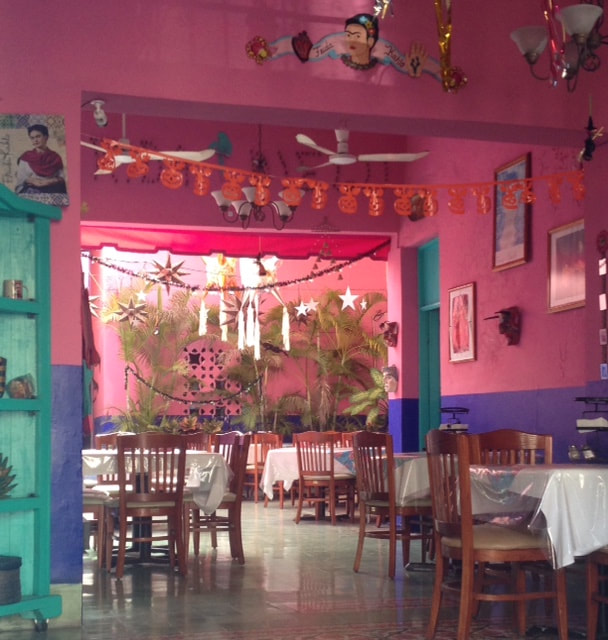
Still in my first couple of weeks here in the Yucatan, I am bobbing around the crowded city streets, slack-jawed at what just may be the direct opposite palette of a Vancouver B-Line bus on any given November rush hour. My outlook has shifted from a low-level, gunmetal-grey resignation to a hot-fuchsia/blood-orange exhilarating mixto, all from looking at the zipper selection in a notions shop (of which there are plenty and another reason for exhilaration), or a glimpse into a hot-pink and aquamarine courtyard restaurant.

But it's not all feel-good. I am seduced by vibrant art and I use it to seduce in my own making: first the beauty, then the crack in the beauty. It's working when I think, "This is pretty and pretty horrifying."

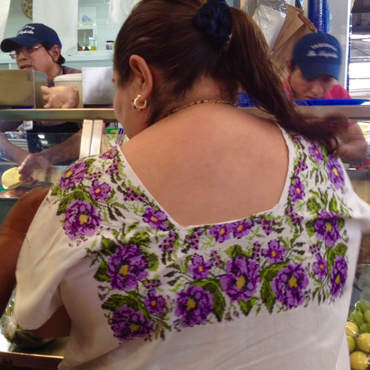
PictureBright, hand-stitched floral motifs on everyday clothing say more for the Mayans than "pretty." Carlyn Yandle photo
If colour didn't entice then Walt Disney could have saved himself the price of acres of paint and Disneyland would be just metal and asphalt. The superstore cereal aisles would look like a newspaper periodicals library. You get the monochromatic picture.

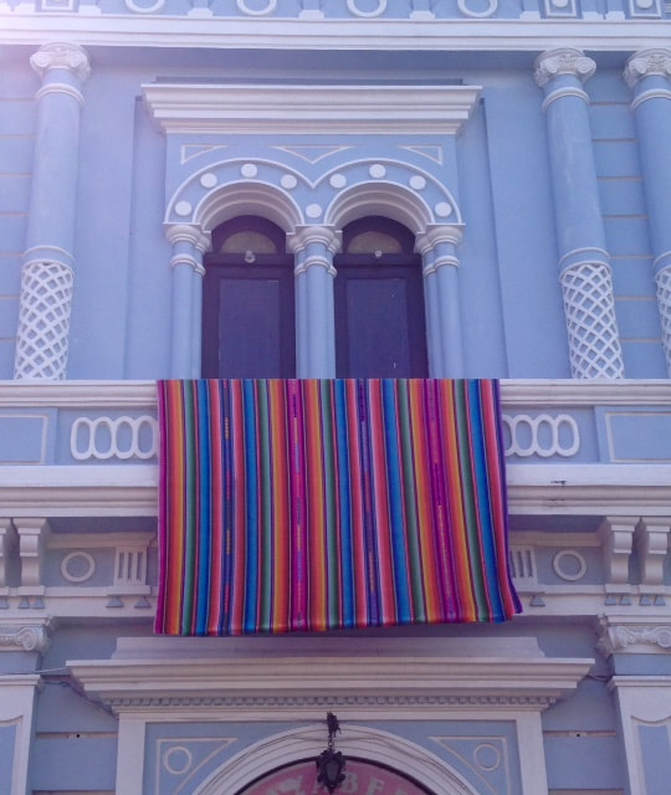
Colour is a social statement in the bright, face-framing embroidered embellishments around a huipil (blouse) worn by mainly older women, or the brilliant woven blanket hanging from a balcony of a colonial facade. There is some needling in all that needlework, but without the dazzling hues we might not clue into the significance.


All this visual heat here in the southern part of North America is creating my own little inner unrest, clashing with my northern hometown palette of bruisey skies infinitely mirrored through the city's colourless glass towers. My concrete-grey foundations are being rocked. And I like it.
Picture
A dazzling woven blanket appears to appropriate the space of colonialist architecture, in Merida, Mexico. Carlyn Yandle photo
Picture
Courtyard restaurants in Merida's downtown entice diners with fiesta-hued interiors. Carlyn Yandle photo
Comments

Gritty beauty seen in foundations of this pretty city

2/28/2017

Comments

 
Picture
It feels like the Internet has killed the fun of taking snapshots of beautiful cities and people. So many times over the last four months in Mexico I've raised my camera (phone) to capture an impressive bronze sculpture or some baroque church facade then thought: This is pointless. A Google-image search with a few key words (Guanajuato, musicians, Don Quixote, Pipila) would produce hundreds of better-quality stock photos. We're saturated in instagrammable images. I miss those old pocket travel photo albums.

This might explain all the selfie sticks threatening to take your eye out in the crowded plazas on any given night here; putting yourself in the picture with all the famous stuff behind will guarantee a unique photo.

So I have very little in terms of a photographic record for my time here. Every view of the strolling musicians in the plazas, or the teenage girls decked in ballgowns for their quinceanera (debut) parties, the food vendors, the street singers dressed in Renaissance-style hose and puffed velvet jackets are already done. So done.

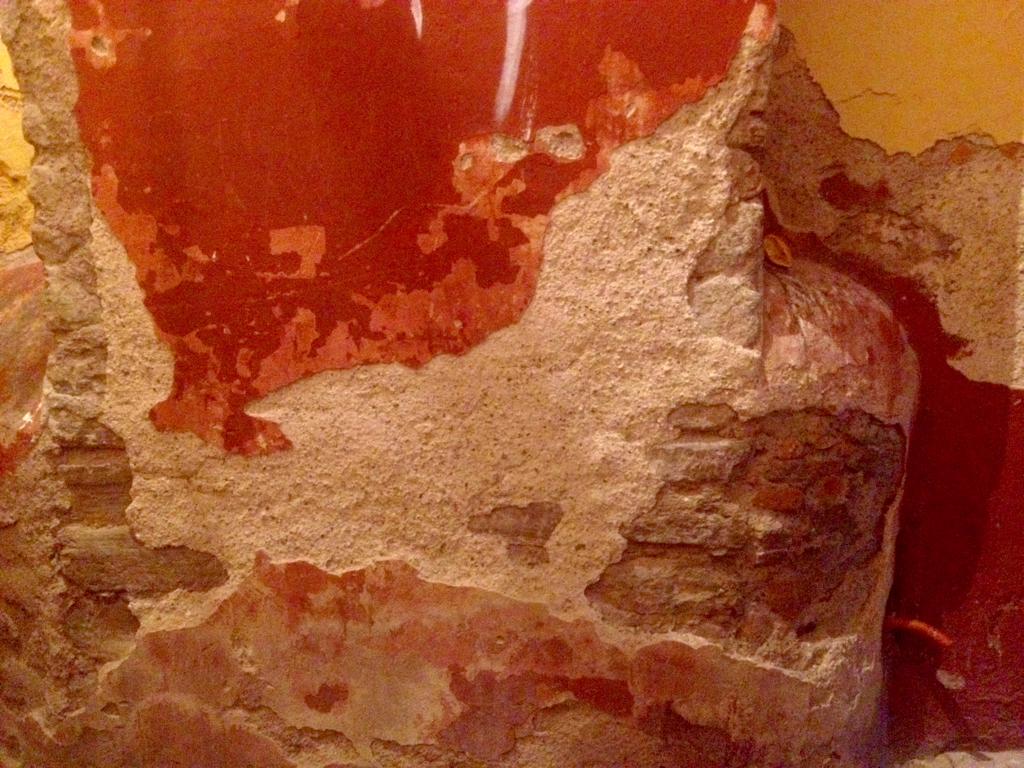
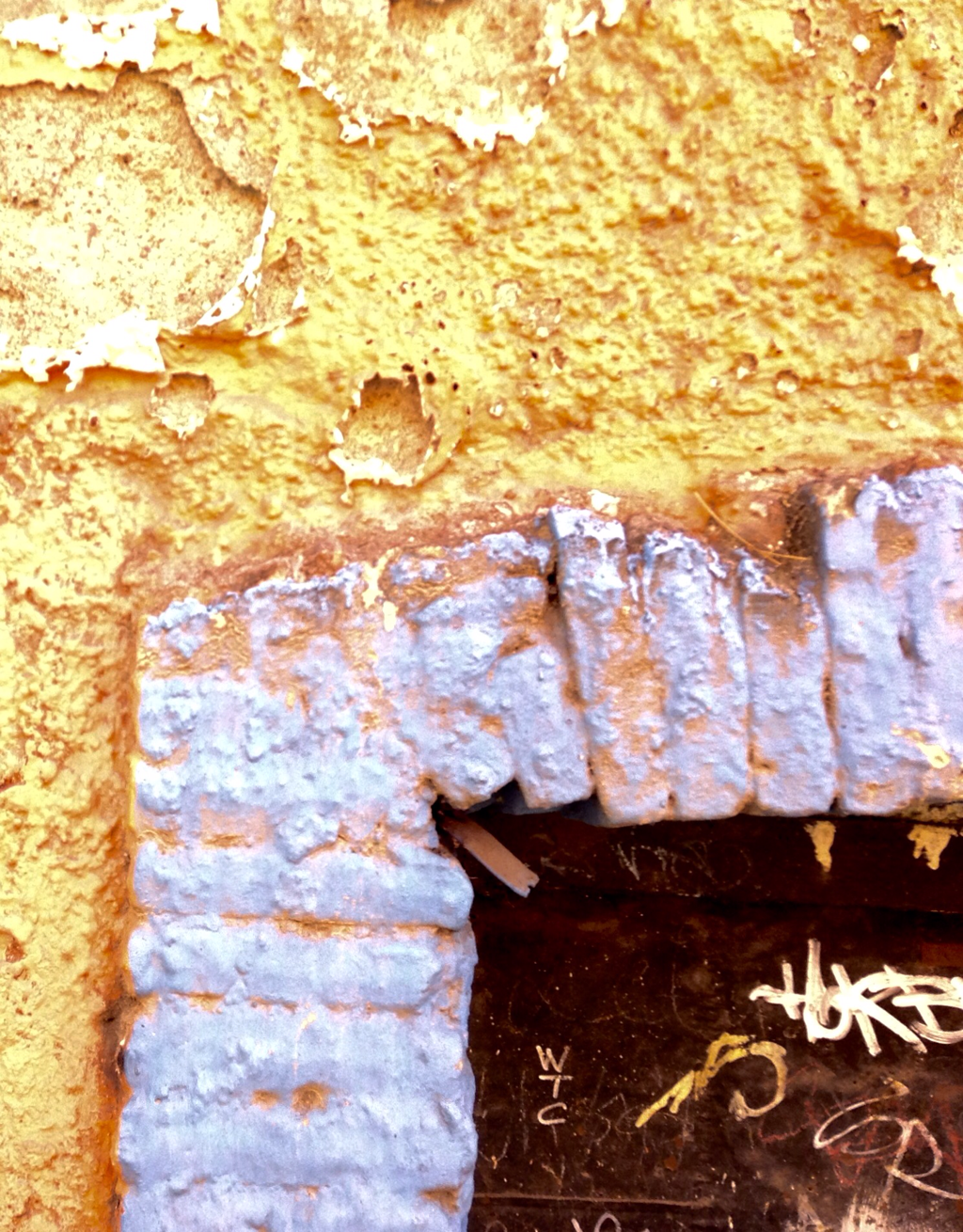
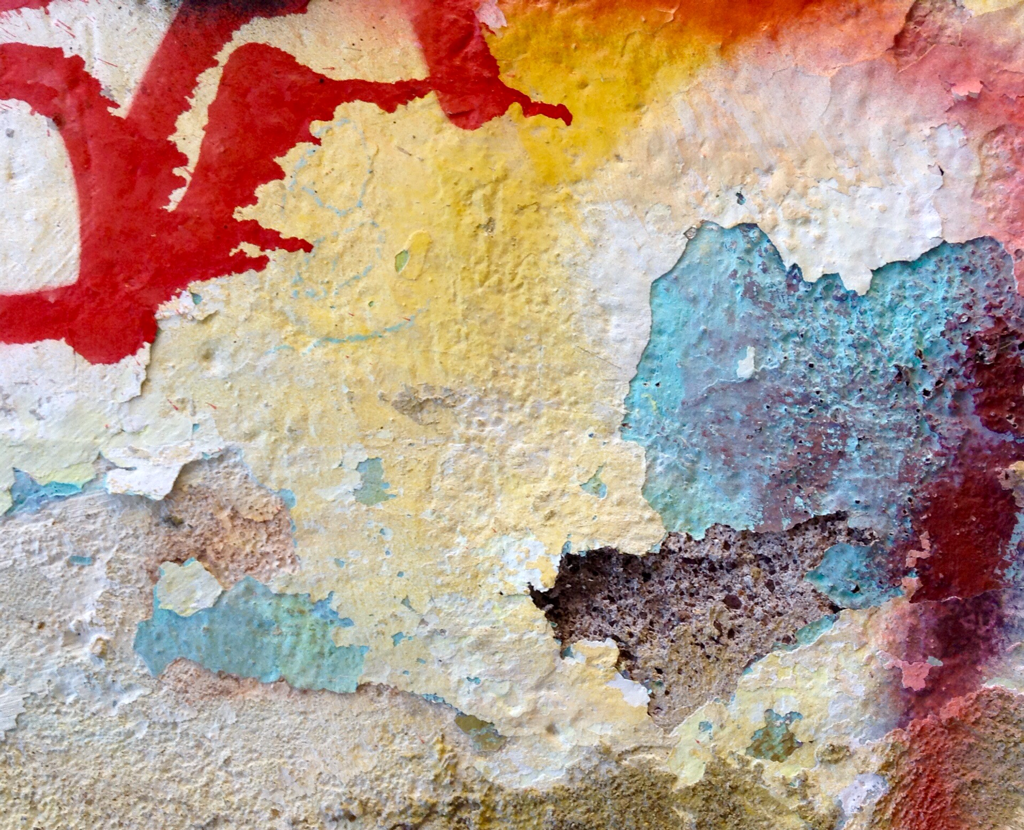
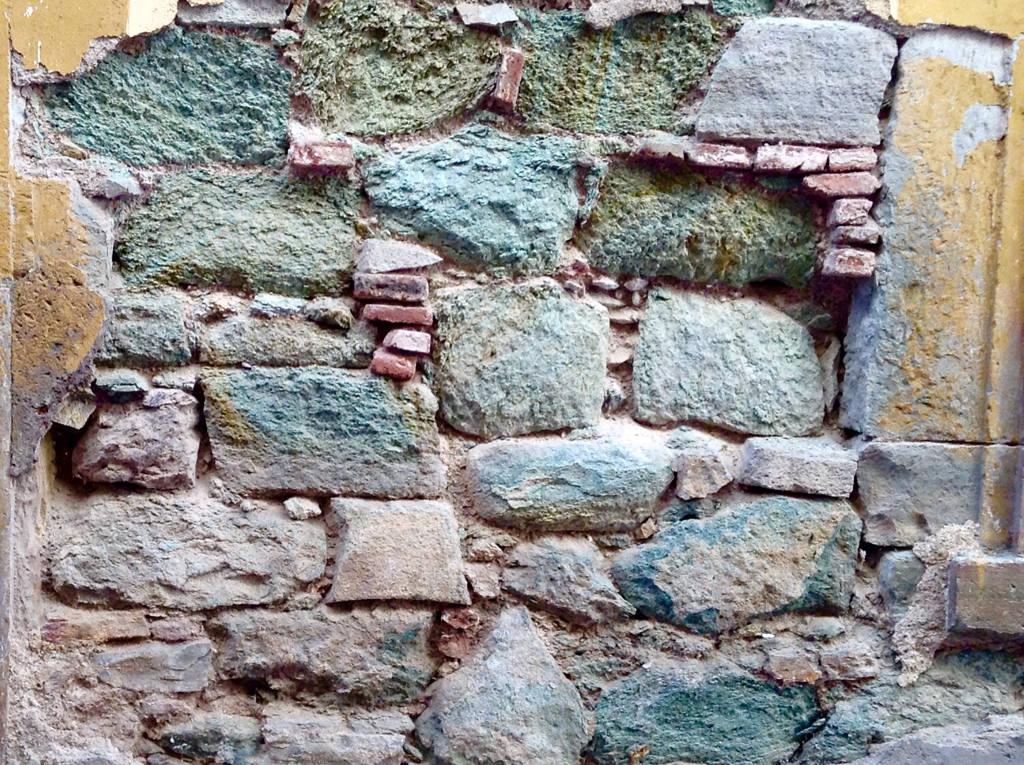
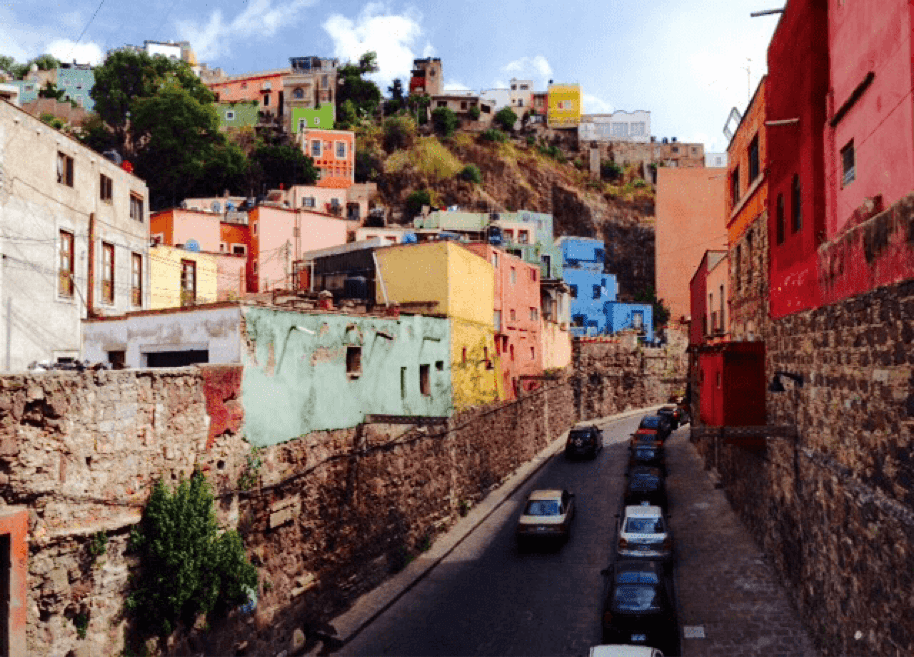
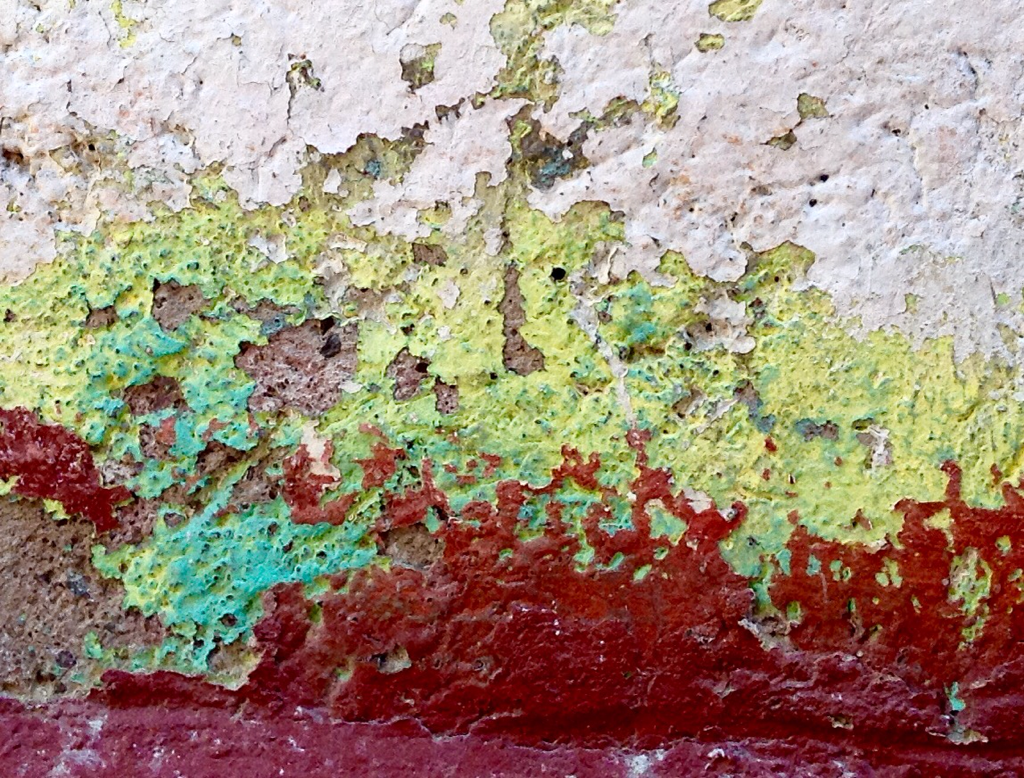
Then last week I finally started to see that the one signature-Guanajuato element that I've been captivated by is actually a worthy photo subject: the retaining walls that barely seem to be holding back the jumble of colourful, cubic houses clinging to the surrounding hills.

There's a compelling visual story in those layers of peeling paint on crumbling plaster on adobe bricks stacked on crudely cut limestone foundations. The traces of human activity in one section of wall speaks to the human habitation in this city that has its roots in the 1500s. It's quite a study in social history and handwork, an unplanned, almost invisible beauty, especially to a tourist whose port town of Vancouver has been replaced by a gleaming, pristine city of glass.

I'm seeing them as found abstracts, images of unintentional collages and mixed-media works by generations of people who work with their hands.
​
Picture
Picture
Picture
Picture
Comments

Urban design lesson for Vancouver: Life in full colour blooms in car-free streets

12/10/2016

Comments

 
Picture
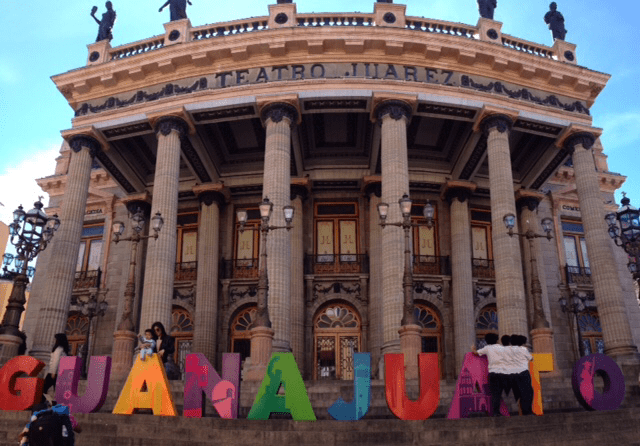
The steps of the Teatro Juarez transform by day and night for the benefit of the walking public. (Carlyn Yandle photo)
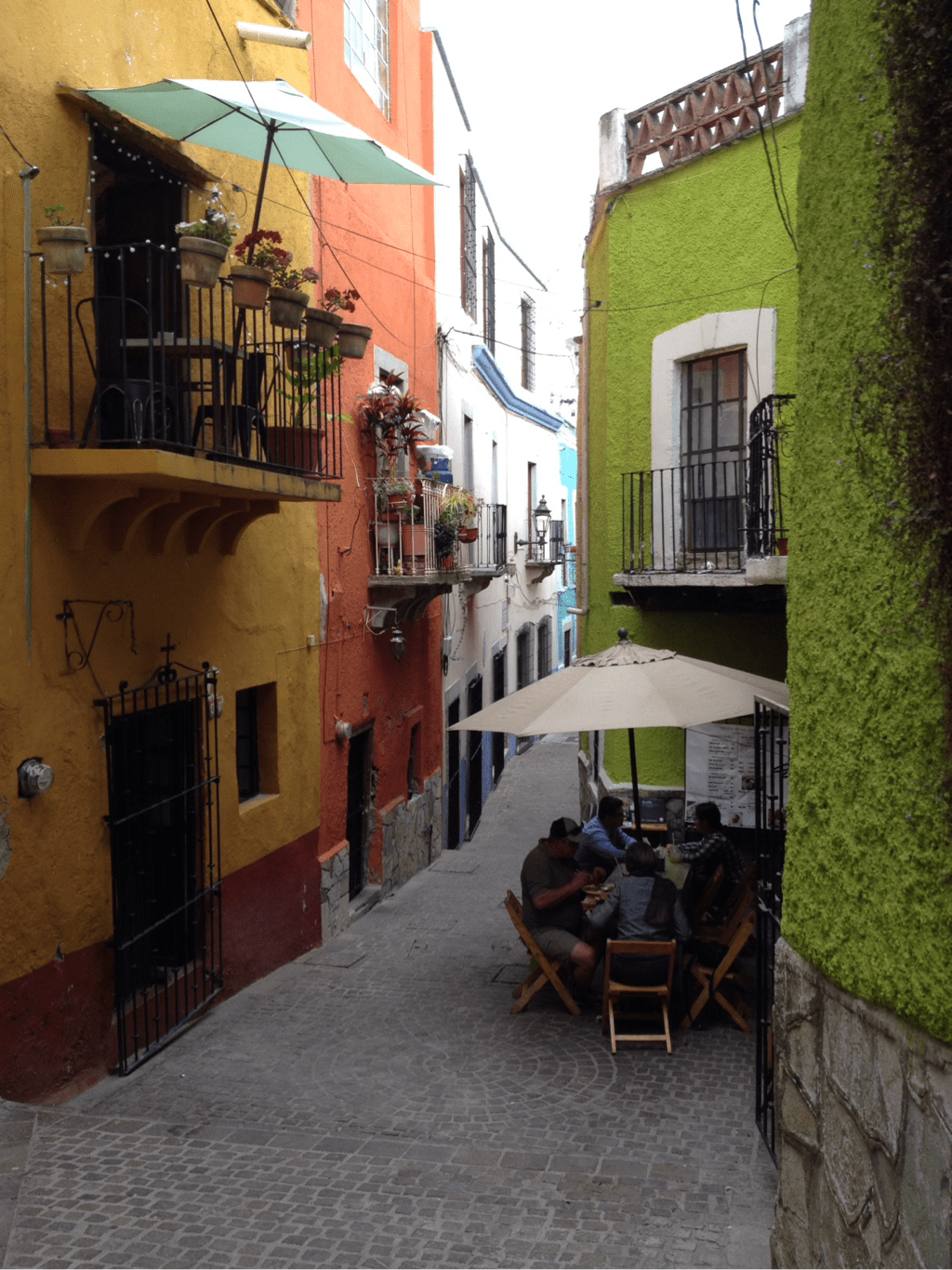
A month after I landed in Guanajuato, Mexico it finally dawned on me: there are no traffic lights in this bustling city. You'd think that would be obvious from the outset but those kinds of details are not readily apparent when you're gawking at a guy hoofing it down the narrow city streets with a side of raw beef on his shoulders, or a teenage girl unfurling her frothy pink ballgown from a truck parked at the end of the pedestrian zone.
Not only are there no traffic lights, there are no pedestrian crossing signals or any restrictions on the walking public. The downtown is teeming with people but with such narrow, winding vehicle thoroughfares, topas (speed bumps) and gloriettas (large versions of Vancouver's "traffic-calming circles") you learn quickly to go with the slow flow. Pedestrians zig-zag with ease across streets, almost brushing the rear of a slow-passing car so the vehicle behind doesn't have to shift down to super-slow. This is not a town to venture into if you're a driver in a hurry. Cruising speed is such that you could start a conversation with people on the sidewalk. Road rage is inconceivable.

So how are all the goods and services delivered? Most of that happens under the plazas and winding streets in old floodwater-diverting tunnels. Parking lots are also mostly situated under or outside the city centre and on-street parking is a rarity. There are no filthy downtown back alleys dedicated to dumpsters and delivery trucks. No urban blight of parked cars flanking both sides of every street.
Picture
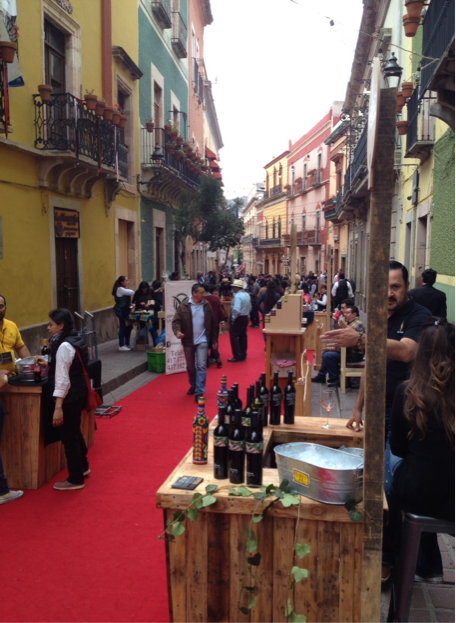
A narrow 'calle' is transformed into a weekend-long wine-tasting venue. (Carlyn Yandle photo)

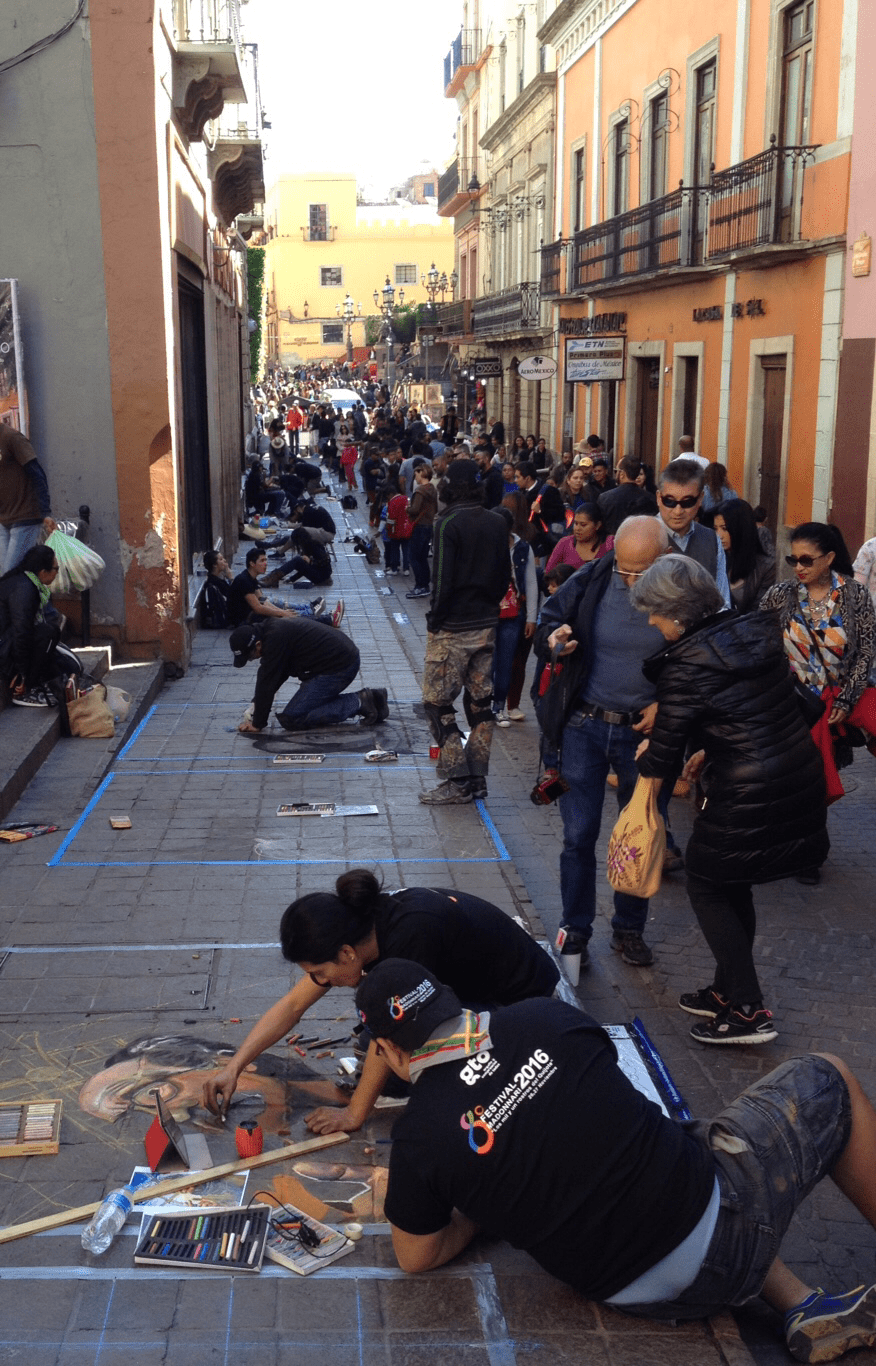
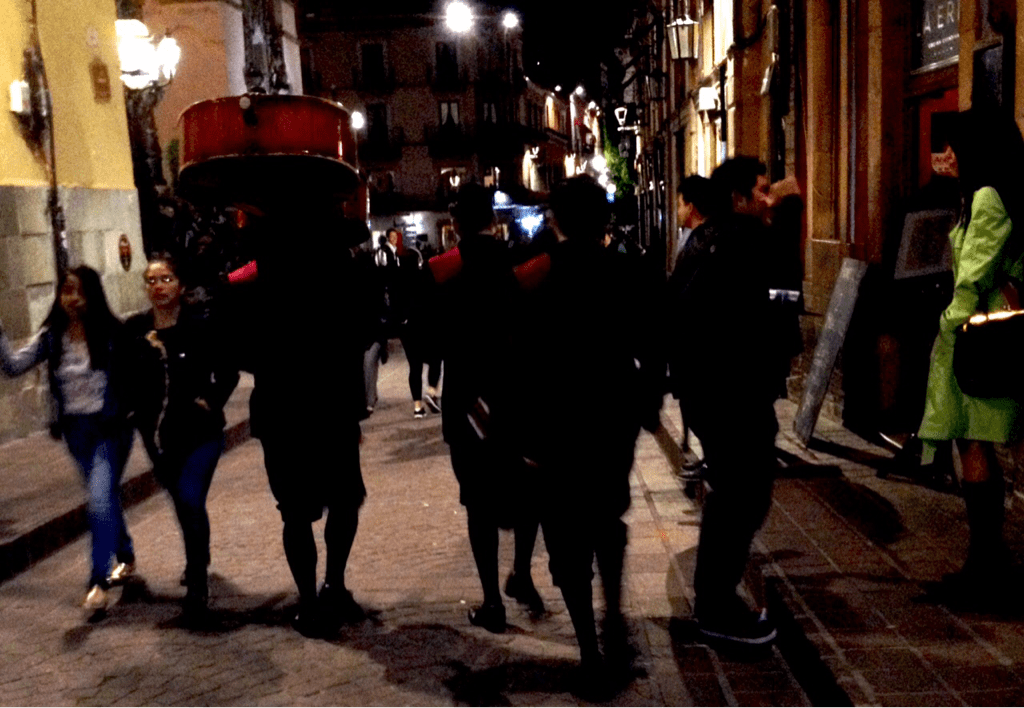
As a result, the major calles (streets) are in constant transformation, a jumble of bakeries, cafes and newsstands in the morning, market stalls in the afternoon, and music-filled evenings and special events like a recent wine-tasting weekend along a red carpet through to the historical centre. The previous weekend saw a chalk-mural draw-in where local art students were down on their knees, working their ideas into the surface near that morning's bike race finish line.

These are the possibilities for streets where pedestrians come first.
Picture
Art students take to the (permanent) car-free streets. (Carlyn Yandle and photo)
Picture
Narrow spaces invite humane activity. (Carlyn Yandle photo)
Picture
Street musicians head down to the outdoor restaurants. (Carlyn Yandle photo)
I fail to see the downside in squeezing out cars in heavily populated areas. In contrast, pricey Vancouver's sketchy, rat-infested downtown alleys and acres of meter parking look like a colossal waste of potential commercial and cultural space. How impossible would it be to conceal dumpsters in locked building bays and restrict garbage pickup to, say, 2 a.m., and then entice tiendas (street vendors) and the mom-and-pop shops that have been all but banished to the fringes due to high rents?

The more I wander and wade through all this colourful human activity the more I resent the privileged position of the private motor vehicle in North American urban "planning." Cities in their relative infancy like Vancouver could learn a lot from organic urban centres like Guanajuato that came into their own before there were cars.

​My hometown is already teetering on the edge of becoming a boring luxury resort city; a bold directive towards people and away from the private motor vehicle could pull us back from that precipice.
Picture
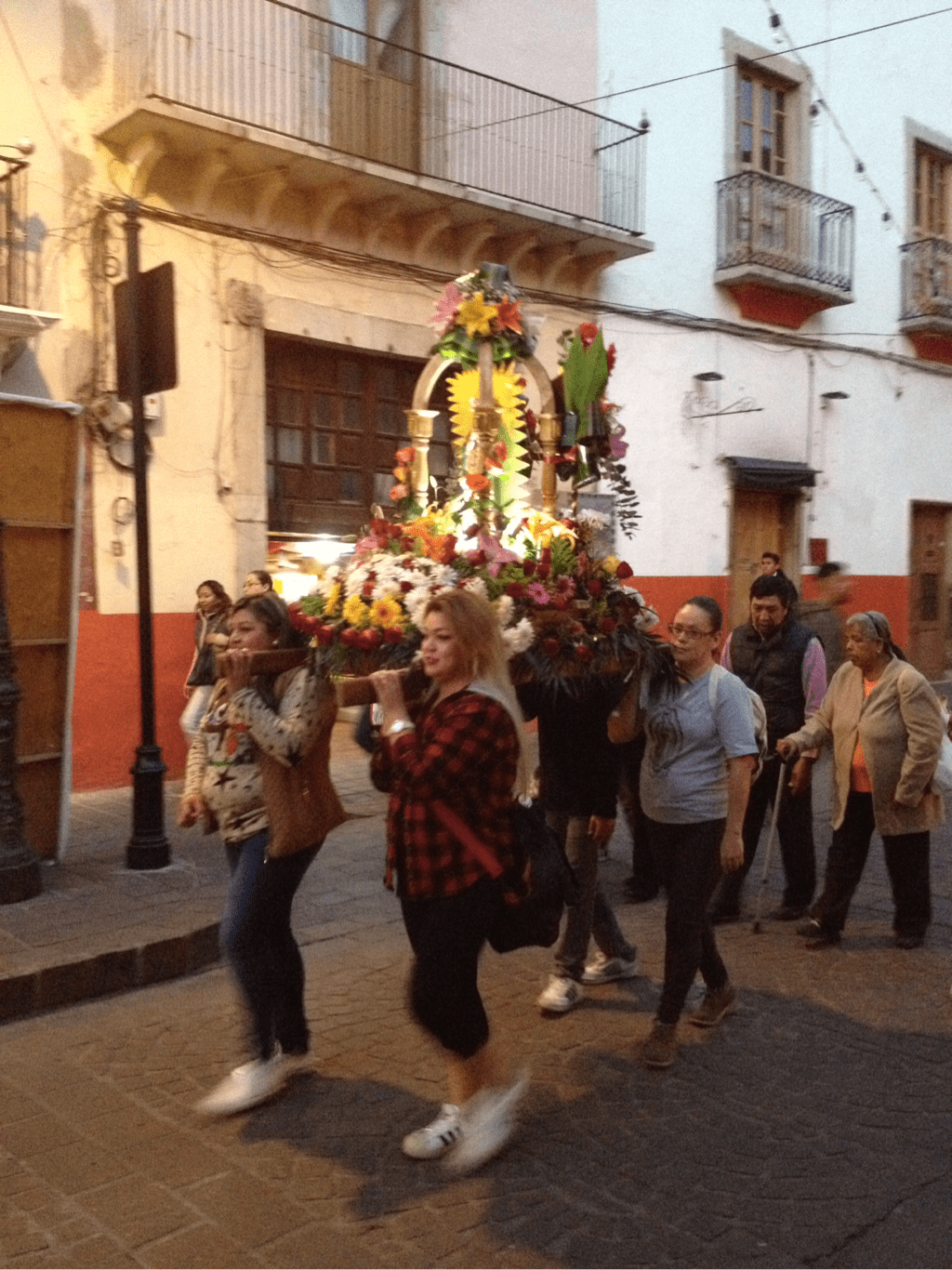
A religious procession is part of the passing cultural parade. (Carlyn Yandle photo)
Picture
Vehicle thoroughfares and parking areas are mostly on the fringes and below the city. (Carlyn Yandle photo)
Comments

Hope springs forth from lush, haunting images

6/12/2015

Comments

 
I really want to believe our Prime Minister’s — what, pledge? Hope? Prediction? — that we will be a fossil-fuel-free nation by the year 2100, as he told the rest of the Gang of 7 at their Bavarian get-together last week.

But any hope I have for a truly green-fueled nation is drying up like a California swimming hole. My bet is not on political will but epic disaster as the catalyst for truly altering our course — a perfect storm of events that will push us thisclose to the collapse of the very (and varied) ecosystems that spawned our species.

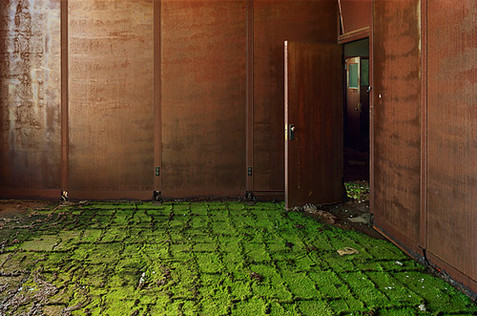
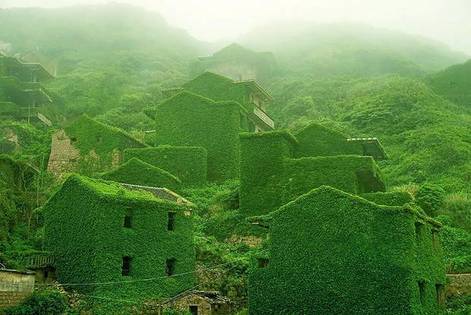
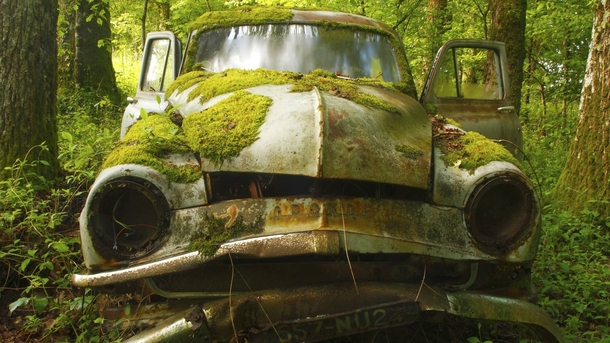
But I still find faith in the forces of nature, which may be why I am attracted to any images of the natural takeover of our failed or abandoned constructions. 
Picture
The sparkle of that emerald gem of hope lies in this now-famous image of the executive offices of the Henry Ford executive offices at the Model T headquarters in Detroit.


I first saw this image by American artist Andrew Moore in a New York Times Magazine photo essay following the economic collapse of Detroit’s all-consuming auto industry. Where once business titans swaggered now was a thick carpet of moss.

The entire industrial complex may have caved in but as long as the moss still grows, well, I guess we have a chance. (Detroit is now shrinking, with derelict houses returning to forest.)

I was reminded of that image again this week when big-league newspapers such as the Independent and the UK Mirror picked up on the social-trending images of an abandoned fishing village being reclaimed by nature, by Shanghai photographer Jane Qing.
Picture
I could find nothing in those Google pages of links that would explain what happened to the inhabitants of this island community, part of a large archipelago at the mouth of the Yangtze river. The particular circumstances are shrouded in vines, absorbed back into the lush island hillside, but local economic collapse is likely the culprit.

It is the moss, the vines in these images that reveal human folly and frailty.

They are the green shoots of hope that cool the creeping drought — and doubt.

Picture
Abandoned car in Dordogne, France
Comments

Time is ripe for Occupy Neighbourhood movement

4/24/2015

Comments

 
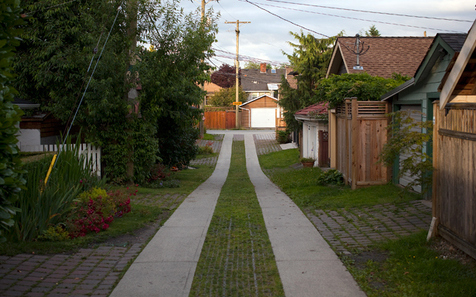
PictureOne of a handful of Vancouver's 'country lanes' from a 2002 pilot projects. (Photo: Ben Nelms for National Post)
And yet.

And yet there is nothing like an untenable situation to spark a creative response. There is evidence of it in the spaces between, beyond, behind, or otherwise outside the scope of authority. You see it in neighbourhood back alleys and in the gaps between buildings all over the world: small, bold, personal gestures. It may start with a graffiti tag (I was here, The Man can stuff it) and evolve into jaw-dropping unauthorized artworks. It may start with that one condo-dweller with no outdoor space who drags a chair down to the street to do some sketching or practise guitar. Last year some folks down the block put out a table at the corner park and had a sit-down neighbours’ potluck dinner. Down another block is a Country Lane, one of just a handful of alleys transformed into a garden-like thoroughfare in a pilot project with the City back in 2002.

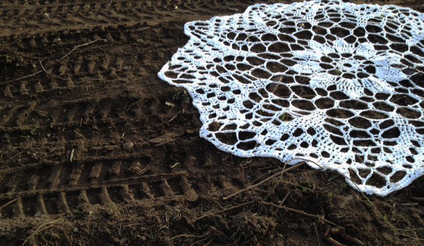
PictureDay after destruction: Giant doily on the bulldozed community gardens in Kitsilano (Carlyn Yandle photo)
And so it has come to pass. Where bloom-perfumed weeknight evenings in spring normally draw out elderly food-growers, young adults on after-class dog walks, tots trying out their new walking legs and commuter-runners with backpacks now there is barely a soul. “It’s so futile,” a neighbour said, hands on hips and gazing around at the remnant plant-bits fighting for traction in the bulldozer tracks. “This is just big male egos at work.”
My community, like all Vancouver communities increasingly hemmed in by one glassy, luxury edifice after another, is under threat of becoming no place in particular.
Living directly across the street from a swath of rubble, I think about the Field of Dreams line, “If you build it they will come.” Except in the case of the formerly thriving community gardens obliterated by CP Rail last month, it’s more, “If you destroy it, they will vamoose.”
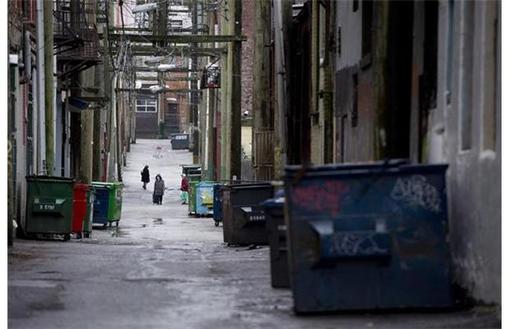
PictureVancouver's downtown alleys are typically sketchy, soulless spaces. (Photo: Jonathan Hayward , Canadian Press)
These small acts are claims on our community. There’s nothing like an obliterated cherished social space to make us rethink this expectation that city planners or developers or Translink or the provincial government will make our corners of the world livable. That’s up to us. It requires a little courage and some questioning of authority. It may involve a little risk and the understanding that it’s easier to get forgiveness than permission. 

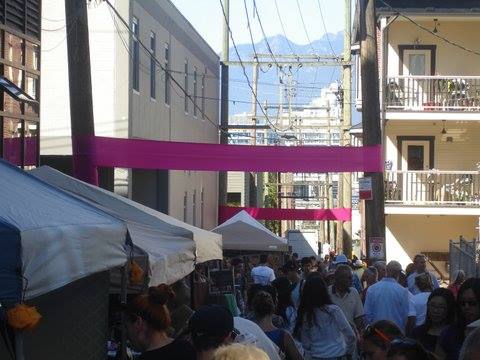
PictureLivable Laneways has taken on the west alley on Main Street north of Broadway, with various temporary installations and community events.
This is how I came to move a couple of wrought iron chairs from my deck to the acres of dead dirt across the street. I wanted to see if they would be confiscated or destroyed. Instead, they’re being used, to rest for a spell, to soak up the rays, to down a beer. It’s a small act but even two empty chairs are an invitation, a potential conversation.

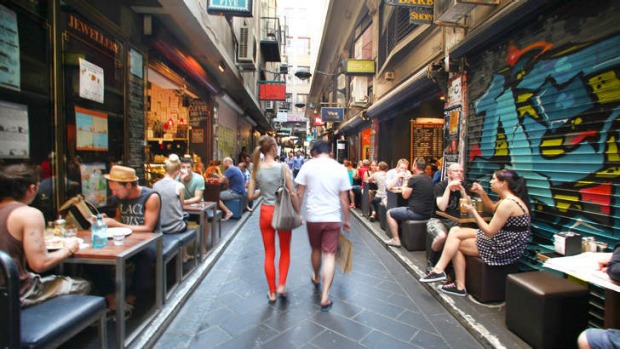
I’ve been researching creative ways to carve out social spaces in the face of the residential-investment spree that’s taken over Vancouver. Even in the tightest spaces -- or especially in the tightest spaces – humanity can grow and thrive. From the thinnest walkway container gardens in Kyoto to a laneway festival in one of our city’s dumpster-blighted back alley, there is potential in occupying a lost space.

Don’t just say something; sit there.

PictureA laneway in Melbourne, Australia (Photo by Corbis via traveller.com.au)
  

Comments

One bit, two bits, green bits, black bits

3/13/2015

Comments

 
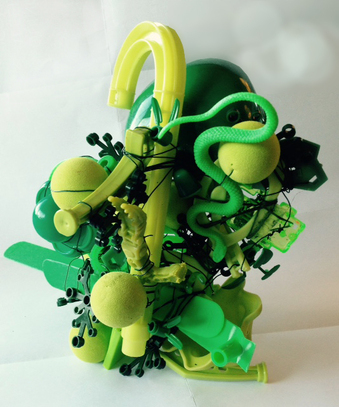
PictureToybits (green) - made from broken toys (Carlyn Yandle photo)
This may be the third or fourth column/post I've written that could come under the headline, 'Overthinking will be the death of me.' There is definitely a book in there somewhere about the power of overthinking to sabotage the creative process.

My latest overthinking sabotage occurred as I was experimenting with binding up broken toy bits (consciously not overthinking why).

I was taking care of my sister's kids while idly binding one green toy remnant to another. At some point, the curious object appeared to be done. And it was good.

It's an intriguing object but when photographed is also a visually absorbing abstract. It has richness in its ability to conflate the second and third dimensions. It is heavy with cultural reference yet lightly humorous.

I was onto something.

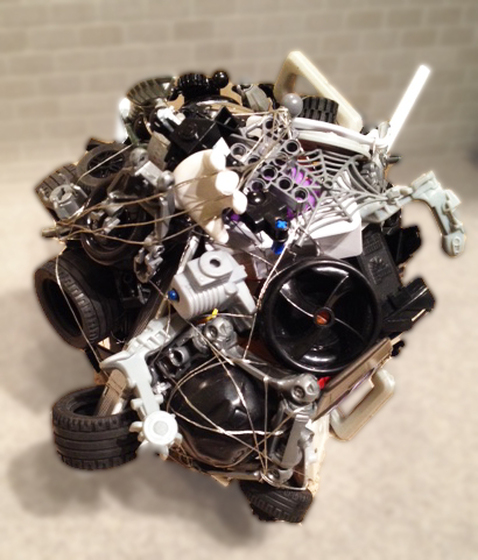
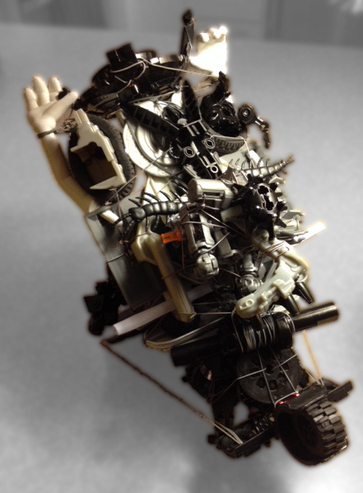
PictureToybits (black) - final version (Carlyn Yandle photo)
After a couple of hours I quit because it clearly would have no logical endpoint. But if there's one thing I've learned about the creative process it's to let the failures hang around and stink up the joint for a while. In my experience, the only way to get to the source of the stench is to keep it in the periphery. And a couple of days later it came to me: I was so hell-bent on the outcome I had completely negated the making, which, when referring back to the green toy-bits cluster, was the essence of the thing: play. 

I took it all apart, then started over, finding the fit between one bit to another bit, then adding one bit where it fit. (Maybe the book should be in Dr. Seuss language).

It had a beginning and an end, and the entire process was an adventure without a map. The result is a sculptural object with implied power that appears as part engine, part vehicle, part robot. It has composition, balance, architecture, intriguing sight lines and varying perspectives. It has something to tell me: Your instincts are good, keep going.

From the junk of life emerges new life.

You can see it in the above photo; it's a mess. Even as I was binding it I thought, This is not working, this is not working. Why is this not working? It has no balance, no composition. it is artless. And it was a chore from the get-go.
PictureToybits (black): first attempt (Carlyn Yandle photo)
So, like every creative I know,  the ol' mental processor starting whirring away in the background, rolling over this concept. Friends and I talk about this slightly obsessive stage when developing a new work. You're still functional in your daily routine but that whirring puts you in a slightly distracted state. It's sort of like falling in love; there's always something there to remind you of that growing passion. And when I fall in love with an idea, I fall hard. I'm consumed by the topic like the Paul Rudd character in The 40-Year-Old Virgin who can't stop talking about Amy or The Big Lebowski's John Goodman character who links any conversation to his days in 'Nam.

I've been seeing toy-bits inspiration everywhere, including in a car column in the morning newspaper. The picture of an engine reminded me of the toy-bits clusters and suddenly I was shoving aside breakfast dishes and breakfasting people and dumping my hoard of broken toys onto the table.

I will make that engine-y thing, I said. And therein lies the fatal flaw.

Comments
<<Previous
    Cross-posted at
    carlynyandle.substack.com

    browse by topic:

    All
    Abject
    Abstract
    Abstract Embroidery
    Abstraction
    Abstract Painting
    Abundance
    Accumulations
    Acrylic
    Activism
    Additive
    Aesthetics
    Agency
    AgentC Gallery
    Aging
    Alison Woodward
    Aluminum
    Amanda Wood
    Anxiety
    Appropriation
    Arcade Fire
    Architecture
    Arleigh Wood
    Art
    Art Activism
    Art Blog
    Art Business
    Art Discourse
    Art History
    Artifact
    Artist
    Artist Residency
    Artist Statement
    Artist Talk
    Art Marketing
    Art Quilt
    Arts And Crafts
    Art School
    Art Show
    Art Spiegelman
    Assemblage
    Author
    Banksy
    Bauhaus
    Beauty
    Betsy Greer
    Big Data
    Billy Patko
    Binding
    Blogs
    Blog Tour
    Bob Krieger
    Body Of Work
    Books
    Boro
    Braided Rug
    Braiding
    Bruce MacKinnon
    Bruce Mau
    Building
    Bull Kelp
    Burlap
    Business
    Buttons
    Canadian Artist
    Carlyn Yandle
    Caroline Eriksson
    Cartoon
    Ceca Georgieva
    Challenge
    Charley Yandle
    Children
    Christmas
    Cindy Sherman
    Circular Thinking
    Cirque Du Soleil
    City As Site
    City Planning
    Cityspace Gallery
    Clay Yandle
    Climate Change
    Cluster
    Cob
    Cob Oven
    Collaboration
    Collage
    Collection
    Colonialism
    Color
    Colour
    Commission
    Community
    Community Building
    Composition
    Conceptual Art
    Conceptual Craft
    Connection
    Connie Sabo
    Construction
    Coronavirus
    Cosplay
    Costume
    Counter Culture
    Counter-culture
    Cover
    Cover-19
    Covid
    Craft
    Craft Blogs
    Craft Camp
    Craftivism
    Crafts
    Craftsmanship
    Creative Process
    Critique
    Crochet
    Cross-stitch
    Cultural Hub
    Cultural Studies
    Culture
    Culture Jamming
    Culturejammingc9d75664fd
    Current Conditions
    Cycling
    Dafen Village
    Dallas-duobaitis
    Dance
    Data-graphic
    Data-graphic
    David Weir
    Dear Human
    Decorations
    Deep Craft
    Denim
    Denyse Thomasos
    Design
    Digital Art
    Discomforter
    Display
    Dissent
    Distraction
    Distracts
    DIY
    Doilies
    Doily
    Domestic
    Domestic Interventions
    Douglas-coupland
    Draw Down
    Drawing
    Dressed
    Drip By Drip
    DSquared2
    Dude-chilling-park
    Dyeing
    Dystopia
    Eastend
    Eastside Culture Crawl
    ECUAD
    ECUAD MFA
    Editorial
    Edward Burtynsky
    Eggbeater Creative
    Embellishment
    Embroidery
    Emily Blincoe
    Emily Carr Cozy
    Emily Carr University
    Entanglements
    Environment
    Environmental Art
    Exhibit
    Exhibition
    Expanded Painting
    Experimentation
    Exploration
    Expression
    Fabric
    Fabricating
    Fabrication
    Facebook
    Failure
    Fashion
    Fashion Revolution
    Fast Fashion
    Feminisim
    Feminist
    Feminist Art
    Festival
    Fiber
    Fiber Artist
    Fiber Arts
    Fibre
    Fibre Arts
    Film
    First Saturday Open Studios
    Flo
    Flow
    Forage
    Foraging
    Form
    Form And Function
    Foundlings
    Found Materials
    Found Objects
    Fractal
    Fracture
    Free Store
    Fuckwit
    Fuzzy Logic
    Gallery
    Gallery-row
    Garden
    Gardening
    Garment
    Gathering
    Gentrification
    Geometric Art
    Gill Benzion
    Gingerbread
    Globalization
    Glue
    Goblin Core
    Grad 2020
    Graffiti
    Grannycore
    Granny Square
    Granville-island
    Green Space
    Grid
    Grief
    Guanajuato
    Guerrilla Art
    Guerrilla Girls
    Halloween
    Handmade
    Handmaking
    Hand Stitching
    Hand-stitching
    Handwork
    Hashtags
    Haywood Bandstand
    Healing
    Health
    Hearth
    Heirloom
    Hideki-kuwajima
    Hoarding
    Homelessness
    Homemade
    Hot Art Wet City
    Housing
    Hybrid Thinking
    Ian Reid
    Ian Wallace
    Ideas
    Identity
    Images
    Imagination
    Immersive Art
    Improvisation
    Incomplete Manifesto For Growth
    Industrial Design
    Industry
    Innovation
    Inspiration
    Instagram
    Installation
    Installation Art
    Intervention
    Intrusive Thoughts
    Invention
    Irena Werning
    Ironing
    Janet Wang
    Jeans
    Jeff Wilson
    Joel Bakan
    Joseph Beuys
    Joseph-wu
    Journalism
    Joyful Making In Perilous Times
    Joyfulmakinginperiloustimes
    Judith Scott
    Kamala Harris
    Kids Art
    Kim Piper Werker
    Kimsooja
    Kintsugi
    Knitting
    Knots
    Knotting
    Kyoto
    Labor
    Labour
    LA Fires
    Landon Mackenzie
    Landscape
    Leanne Prain
    Lecture
    Lighthouse
    Linen
    Liz Magor
    Log Cabin
    Logo Sweater
    LOoW
    Lost Painting
    Lumiere Festival
    Lynda Barry
    Macrame
    Maker
    Making
    Making Is Connecting
    MakingIsConnecting
    Malcolm Gladwell
    Male Gaze
    Mapping
    Maquette
    Marie Kondo
    Marine Palette
    Marketing
    Mark Lewis
    Martha Rosler
    Martha Stewart
    Masks
    Material Exploration
    Mathematics
    Maya
    Media
    Meditation
    Meditative
    Mending
    Mend In Public Day
    Mental Health
    Metalworker
    MFA
    Mister Rogers
    Mixed Media
    Mobile Art Practice
    Monique Motut-Firth
    Monster
    Monte Clark
    Mosaic
    Motivation
    Mt. Pleasant Community Centre
    Mud Girls
    Mural
    Mushroom
    Mycelium
    Narrative
    Natalie Jeremijenko
    Nature
    Needlework
    Neon
    Net
    Network
    Networking
    Neuroplasticity
    New Forms Festival
    Newspapers
    Nick Cave
    Noah Goodis
    Nodes
    North Vancouver
    Obtrusive Thoughts
    Omer Arbel
    Online Talk
    Openings
    Organization
    Origami
    Overabundance
    #overthinking
    Paint
    Painting
    Pandemic
    Paper
    Paper Sculpture
    Papier Mache
    Parkade Quilt
    Patchwork
    Patriarchy
    Pattern
    Pecha Kucha
    Pechakucha
    Perception
    Perfectionism
    Performance
    Performance Art
    Personalispolitical
    Photography
    Playing
    Political Art
    Political Satire
    Polly-apfelbaum
    Pompidou
    Poodle
    Pop-Up
    PopUp
    Port Coquitlam
    Portrait
    Practice
    Process
    Production
    Profession
    Project
    Protest
    Protest Art
    Psychedelic
    Public Art
    Pussy Hat
    Pussy-hat
    Qr Code
    Quilt
    Quilt Block
    Quilting
    Quilt Painting
    Rachael Ashe
    Rachel Lafo
    Ravages
    Raw Materials
    Rebar
    Recycle
    Recycling
    Reflection
    Reflektor
    Reimagine
    Renewal
    Repairing Is Caring
    RepairingIsCaring
    Repetition
    Research
    Residency
    Resistance
    Resurge
    Retreat
    Re-use
    Rhonda Weppler
    Richard-tetrault
    Richmond Art Gallery
    Right Brain
    Rondle-west
    Roses Against Violence
    Rote Activity
    Rug
    Ryan-mcelhinney
    Safe Supply
    Safety
    Sampler
    Sarah-gee-miller
    Sashiko
    Saskatchewan
    Scaffolds
    Scaffolds I
    Scale
    Scraps
    Sculpture
    Seasonal Decor
    Seattle Art Museum
    Seaweed
    Seismic Rug
    Semiotics
    Sewing
    Seymour Art Gallery
    SharingIsCaring
    Sharon Kallis
    Shawn Hunt
    Shigeru Ban
    Sketchup
    Slow Craft
    Smocking
    Social Art
    Socialart
    Social Distancing
    Social Distancing Hat
    Social Engagement
    Social-engagement
    Social History
    Social Justice
    Social Media
    Soft Sculpture
    South-granville
    Space Craft
    Spore
    Stitching
    Storage
    Street Art
    Studio
    Styrophobe
    Substack
    Subversive Stitch
    Surrealism
    Surrey
    Tactical Frivolity
    Tactility
    Tagging
    Talking Art
    Tapestry
    Tatjana Mirkov-Popovicki
    Tattoo
    Teamlab
    Technology
    Terry Fox Theatre
    Text
    Textile
    Textile Art
    Textiles
    Thrifting
    Thrift Stores
    @tinypricksproject
    Tiny Pricks Project
    TJ Watt
    TO DO
    Tools
    Toronto Design Offsite
    Toybits
    Trash
    Trash Art
    Travel Art
    Trevor Mahovsky
    Trump
    Typography
    Tyvek
    Unbridled
    Unfixtures
    Unravel
    Upcycle
    Upcycling
    Urban Design
    Use Object
    Use Objects
    Utility
    Value Village
    Vancouver
    Vancouver Art Gallery
    Vancouver International Airport
    Video
    Video Tour
    Visual Artist
    Visual Field
    Visual-field
    Visual Language
    Wabi-sabi
    Wallace Stegner House
    Wall Hanging
    Waterwork
    Wearable Art
    Weaving
    William Morris
    Women's March
    Wood
    Wool
    Work Wraps
    Wrap I
    Wrap II
    Writing
    Xenobia Bailey
    Yarn Bombing
    YVR
    Zaha Hadid
    Zendoodle
    Zero Waste Art
    Zero-waste Art

    Archives

    January 2026
    December 2025
    November 2025
    September 2025
    May 2025
    April 2025
    March 2025
    January 2025
    December 2024
    November 2024
    October 2024
    September 2024
    August 2024
    July 2024
    June 2024
    October 2022
    August 2022
    June 2022
    November 2021
    April 2021
    September 2020
    April 2020
    December 2019
    November 2019
    September 2019
    August 2019
    July 2019
    June 2019
    April 2019
    November 2018
    July 2018
    May 2018
    November 2017
    September 2017
    June 2017
    April 2017
    March 2017
    February 2017
    December 2016
    November 2016
    September 2016
    July 2016
    March 2016
    February 2016
    January 2016
    December 2015
    November 2015
    October 2015
    September 2015
    June 2015
    May 2015
    April 2015
    March 2015
    February 2015
    January 2015
    December 2014
    November 2014
    October 2014
    September 2014
    August 2014
    July 2014
    June 2014
    May 2014
    April 2014
    March 2014
    February 2014
    January 2014
    December 2013
    November 2013
    October 2013
    September 2013
    August 2013
    July 2013
    June 2013
    May 2013
    April 2013
    March 2013
    February 2013
    January 2013
    December 2012
    November 2012
    October 2012
    September 2012
    August 2012
    July 2012
    June 2012
    May 2012
    April 2012
    March 2012
    February 2012
    January 2012
    December 2011
    November 2011
    October 2011
    September 2011
    August 2011
    June 2011
    May 2011
    April 2011
    March 2011

Powered by Create your own unique website with customizable templates.
Picture