carlyn yandle
  • about
  • the creative process
  • crafted objects
  • public art
  • painting
  • exhibitions
  • contact

Faith is key when you're cutting up family heirlooms

6/7/2024

 
Is it easy to cut up hand-embroidered linen tablecloths, runners, pillowcases?

It is not. As an adequate hand-stitcher I understand the skill, labour, time and patience that goes into each linen. I understand the desire to cherish these vintage domestic-craft objects made for the joy of it that are eventually passed around and down the generations only to be hidden in some drawer or closet. I understand the impulse to rescue them from the humiliation of their thrift-store price tags of maybe five dollars.

Cutting through all these layers of meaning feels a little like slicing into someone else’s skin. What right do I have?
PictureAm I ruining family heirlooms? Or daylighting unused linens that have been in the dark for decades? (Carlyn Yandle photo)
As word got out that I was amassing old embroidered linens for an artwork I gratefully received donations from friends and family. It’s a lot easier to be the rescuer of those tragic cases dotted with stains or holes. At least I can console myself that I’m ending the quandary over whether to keep this piece of Grandma or let it go.

But the weighty, pristine Irish linen tablecloths that bloom with finely stitched bouquets and drawn threadwork borders are quite another thing. I take a deep breath and make mental apologies and thanks to the unknown or long-gone maker. I remind myself that I’m not ruining a family heirloom but daylighting the work of handmade things that have been in the dark for decades. Then I let the rotary-cutter rip. I am Edward Scissorhands. I can’t help myself. Sorry, not sorry.

This is the struggle behind Forage, an under-construction field of improvisational log-cabin blocks in my preferred scale of queen-sized. Each embroidered scrap is a literal snippet of a larger piece, the analogue equivalent of a digital thumbnail image. Machine-stitched together the blocks are as cacophonous as an Instagram Explore field.

Picture
That effect grows exponentially as the blocks are stitched into rows, then rows onto rows. I’m now part-way through constructing the thing as a single field (“top”, in quilt language). Viewed horizontally it is a chaotic community garden of 42 unwieldy plots that spill out into the paths (“sashing”). I find new patterns for connection while merging the embroidered elements of one block into another block through the sashing, in a sort-of snail’s trail of stitches. As I mimic these markings of those makers, I feel a connecting thread. I am walking in their stitch-steps.

Despite the garden-plot references, this work is defying the horizontal, offering a reverse-side textural experience of an unstable grid of frayed edges. The maker-contributors never intended for the ‘wrong side’ to be seen, but when it’s all brought into the light, the translucent stained-glass effect cannot be denied. Suddenly I see connotations of religious symbolism, and I’m wondering about the power of the loose threads and those cryptic-looking stitches when viewed from behind the scenes. Something about sacrifice or at least about having faith that the discomfort in detaching from nostalgia is for good, not evil.

That openness is rich ground, another area to forage.
Picture
Connecting embroidered elements feels like walking in the stitch-steps of past makers. (Carlyn Yandle photos)
Picture
A backlit view of this work-in-progress adds further layers of pattern, texture and symbolism. (Carlyn Yandle photos)

Circular thinking can be a flow state too

6/2/2024

 
Picture
I opened up my studio yesterday to the public to get some general feedback on a new series of paintings. Because even though I’m compelled to keep working on it and even though I’m enjoying a growing proficiency in this mash-up of stitching and painting I’m having trouble articulating why — or if — they’re not just pretty faces. Mostly I've been answering their questions with questions of my own.

“Why” has always been the trouble. Also aggravating: Why ask why?
This is the reason I’ve named this growing collection of paintings that all basically follow my own set of rules of engagement Circular Thinking. The connotation is negative but hear me out.

Asking ourselves existential questions while we create is infuriating (Shut the hell up, Inner Critic) but it’s also part of a process that can guide us to where we want to land. I would like to be settled with the obvious reason that it’s my route into flow, or actual, real fun. (The “so fun” episode of the We Can Do Hard Things podcast here was recommended to me by my sister.) And they do get me there: into the flow of playing with colours and opacities, of focusing on one stitch at a time, watching how each layer of paint or stitching changes perception.

But I can’t settle with just what’s in it for me. Making is my way of connecting with the world. Much of my work is collaborative, so those involved naturally have a stake in the final projects. Often that’s in the gathering of abject materials, or the actual simple hand-working methods that bring folks together. So it’s easy to see the ‘why’ in these crafted objects and fields; beyond their own resonance they stand as an archive of the social interaction, an artifact of the engagement with materials.

The Circular Thinking series has none of that. Each painting is a singular, intimate effort. It does not reveal any agency embedded in unwanted/useless materials and objects. So in the making, despite the flow part, I feel a whisper of guilt and shame that many women of a certain age might also hear when not doing for others: selfish, self-indulgent, self-absorbed.

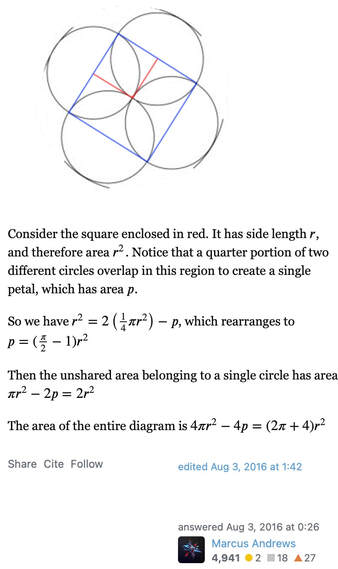
There is definitely something in the ‘self’ there that is the driving force in these improvisational, unpredictable and unsettling paintings: self-care. I ache for solid, reliable ground in these perilous times so I start with a grid, like the criss-cross of rebar that sets the concrete footings in every new tower crowding the Vancouver skyline, or a typical nine-patch quilt block. Nine eight-inch-diameter circles in a 24" x 24" "block" anchor to that grid and then I’m off, free of all straight lines, off-setting those circles by half in paint, offsetting again with more layers of colour in paint or thread until I arrive at an attractive/distractive done-ness. It is an improvisational process of revealing and concealing (repeat!) petal-like sections of circles, creating unsettling, kaleidoscopic fields. It is the kind of all-consuming process that reduces hours to minutes, that absorbs all attention, a safe space away from the visual onslaught of social media, yet reflective of our ‘everything is awesome’ screen-field of vision.

​It might be easier to eat this elephant one bite at a time by knocking down specific why-questions:
​

Why paint?
Colour-play. Especially important in this watery corner of the world. It can also act as a dye/stain.

Why canvas?
It’s fabric, with so much possibility for exploring its essential characteristics.
​
Why the wood stretcher?
Another fibre product that is a natural with fabric. It's basically a quilt frame or embroidery hoop for painters. Building stretchers and stretching the canvas is an investment in the project ahead (a trick I learned from my father @dennisyandle).

Why the stitching?
I like to needle at the hierarchy of painting over craft processes. Each stitch feels like I’m sticking it to convention. Stitching into painting offers the digestible label of “expanded painting practice.”

Why all the quilt references?
The geometry of quilt designs is fascinating, mesmerizing. I have little aptitude but a lot of respect for the beauty of mathematics. The tactility of that geometry connects to present and past makers of objects that exist as art pieces or as items of comfort, utility and gifts, an expression of love. This is a less-digestible "expanded quilting practice": improvisational, mixed-media works with none of that cushy filling.
Picture
The geometry of circular quilt designs remains a beautiful, captivating mystery.
Why this scale?
24" x 24” is my standard sample-block size. I dream of an exhibit of all my sample blocks blanketing white-cube gallery walls. 

Why two-dimensional?
Closer inspection reveals the third dimension, in the stitching. Also, the aforementioned sample-block dream show is a three-dimensional, immersive space of pattern and colour chaos. (I want to go to there.)
​
Circular Thinking is both the name of this latest series of grid paintings and shorthand for how I approach every new project: 
play, think, write, share, think, research, share, write, repeat.

Through this writing part of that feedback loop I can see I just might stop torturing myself with the existential Why and get back into that flow.

@carlynyandle
Picture

My needling starts with a need to build community

11/10/2018

Comments

 
Picture
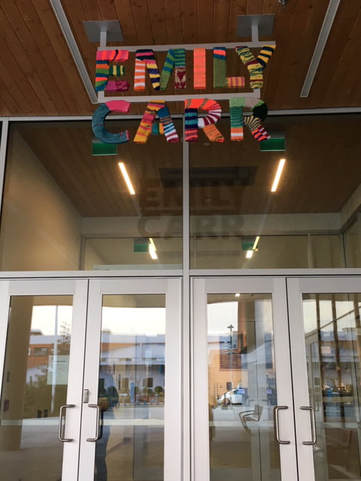
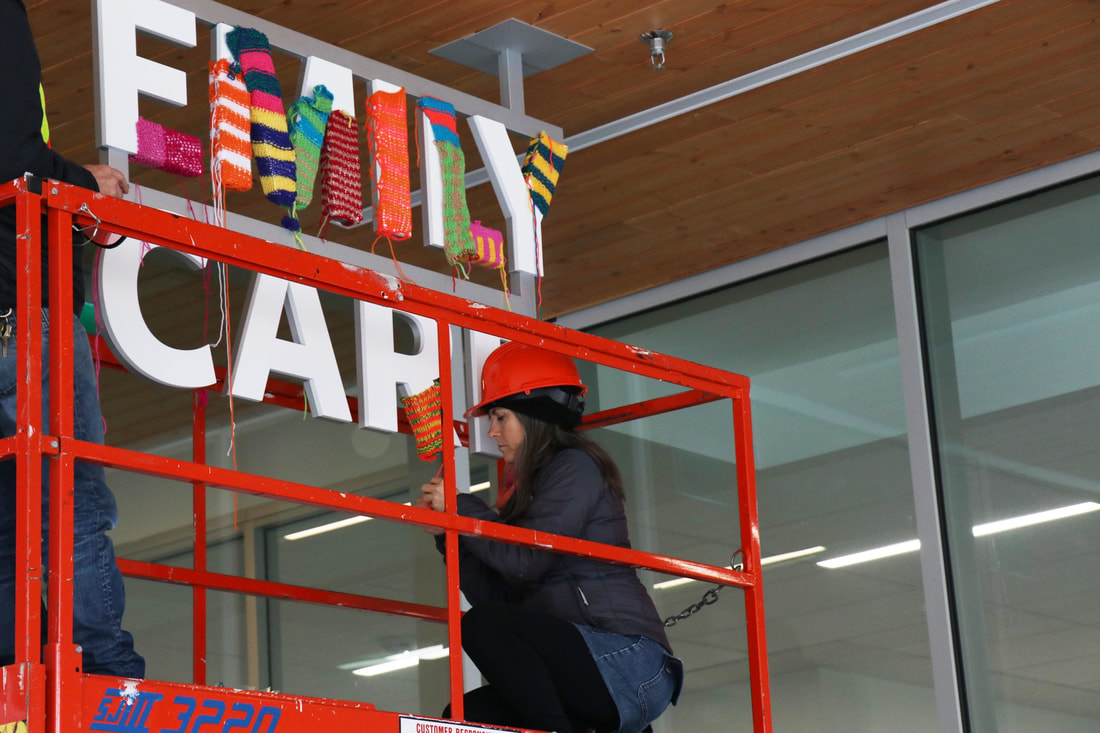
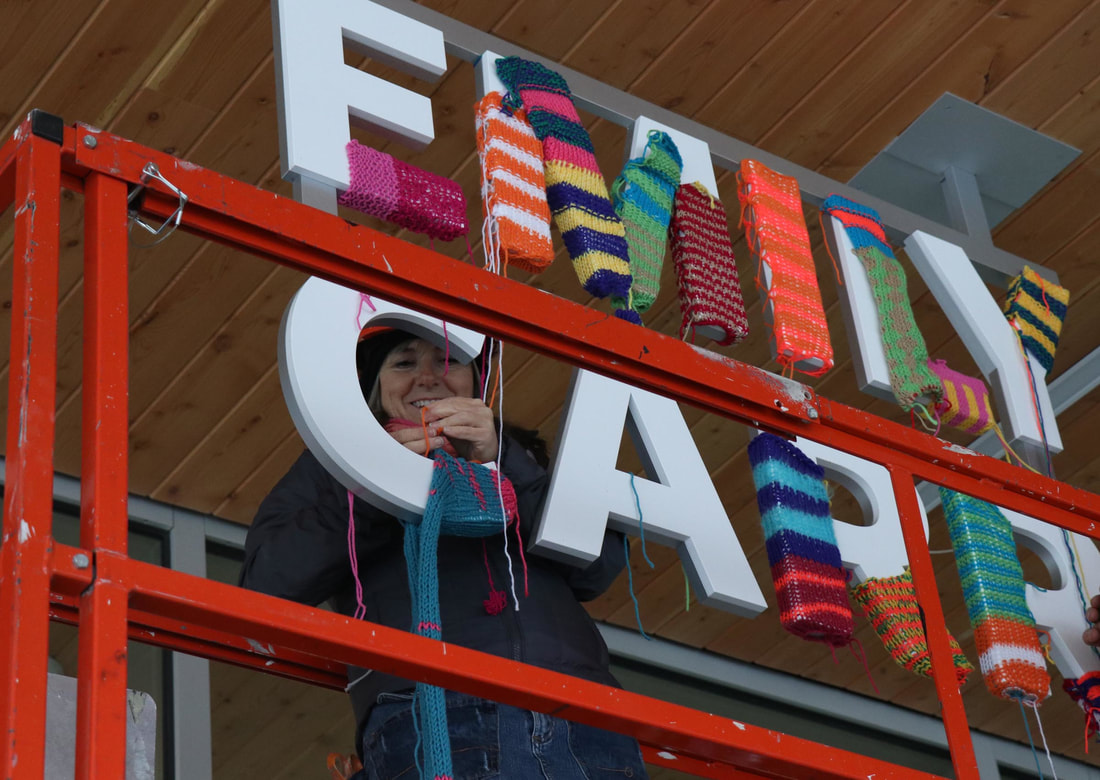
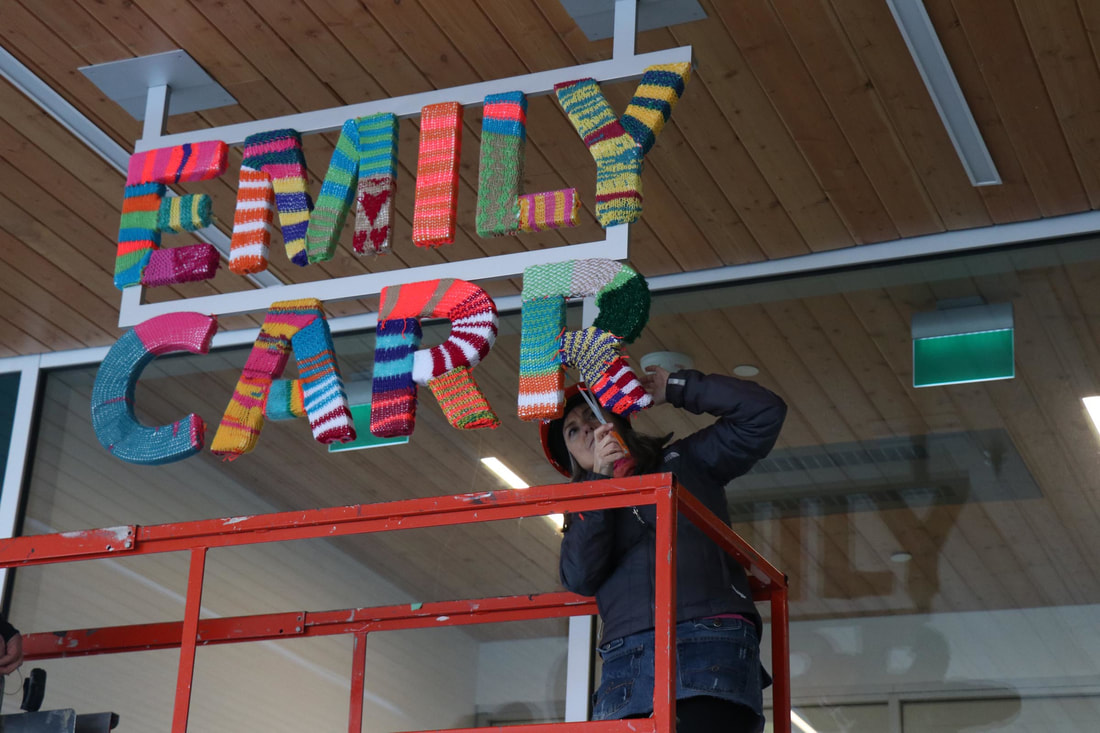
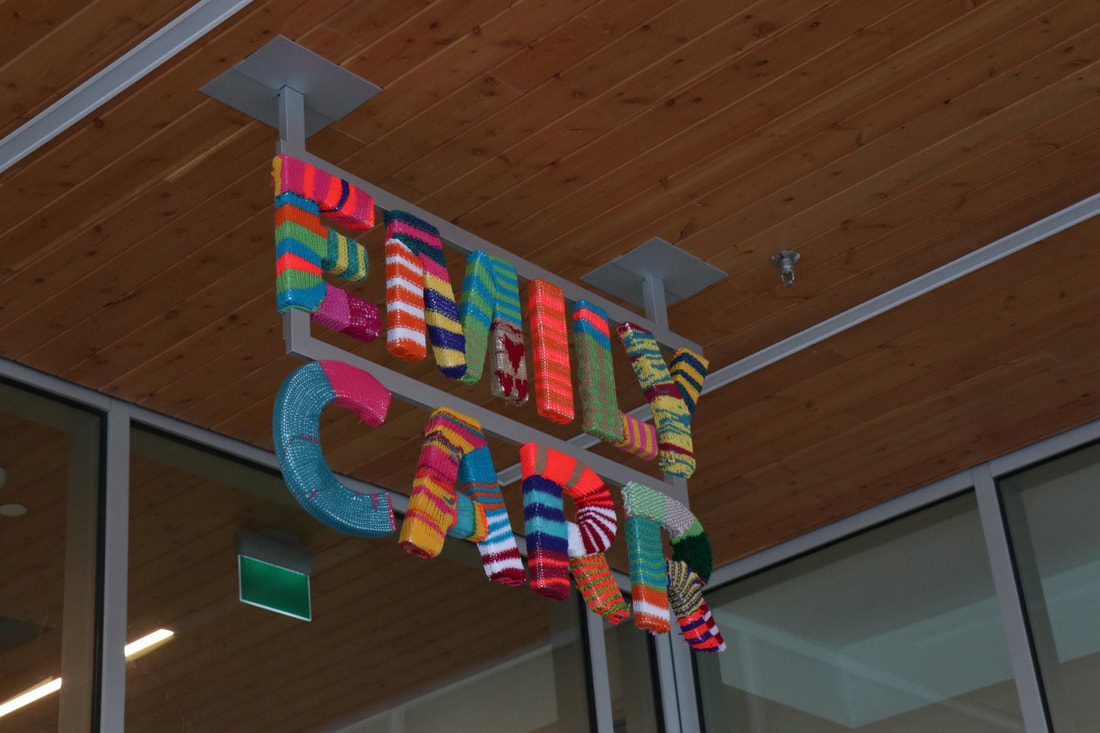
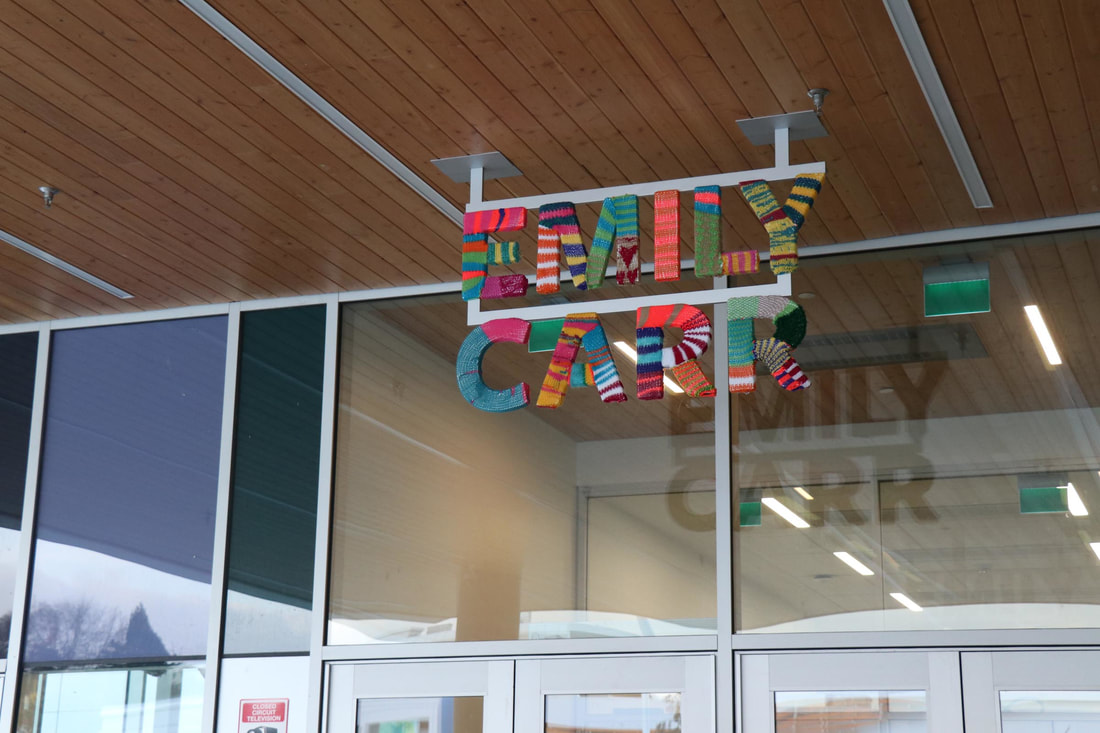
The other day I did this because it really needed to happen. All that gleaming new-campus architecture, surrounded by other gleaming buildings and gleaming buildings yet-to-come was begging for a little fuzzying up.

I did my undergrad at the old Emily Carr University of Art and Design campus which was decidedly less smooth and metallic and more crafty, situated as it was in the Granville Island artisan mecca on the ocean's edge. I liked running my hand along the old wooden posts carved with decades of scrawled text, and all the wiring and ductwork that in the last few years looked like a set out of Brazil. I miss the giant murals on the cement factory silos next door and the funky houseboats and the food stalls in the public market and Opus Art Supplies 30 feet away from the front entrance.

The new serene, clean Emily Carr building is surrounded by new and planned condos that most students could never afford, high-tech companies and, soon, an elevated rapid transit rail line. As much as I wanted to return for graduate studies, I was not convinced that I would be a good fit here, so asking for permission and access to the sign was a bit of a trial balloon for me. I got quick and full support for the idea and its installation, and now see this new white space as a blank canvas, ready for the next era of student artistic expression.

This is my first solo yarn-bombing foray. A bunch of us attacked the old school back in the day for a textile-themed student show but I have yet to meet my people here. So the Emily Carr Cozy is not just a balloon, it's a flare. Is there anybody out there?

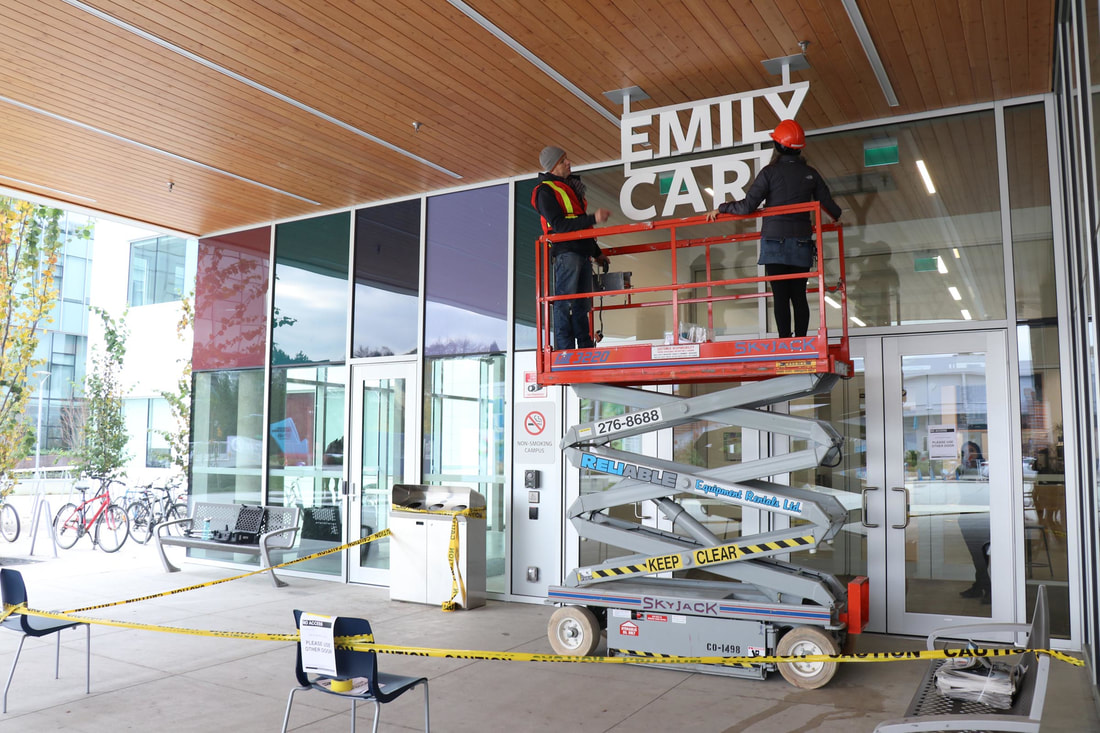
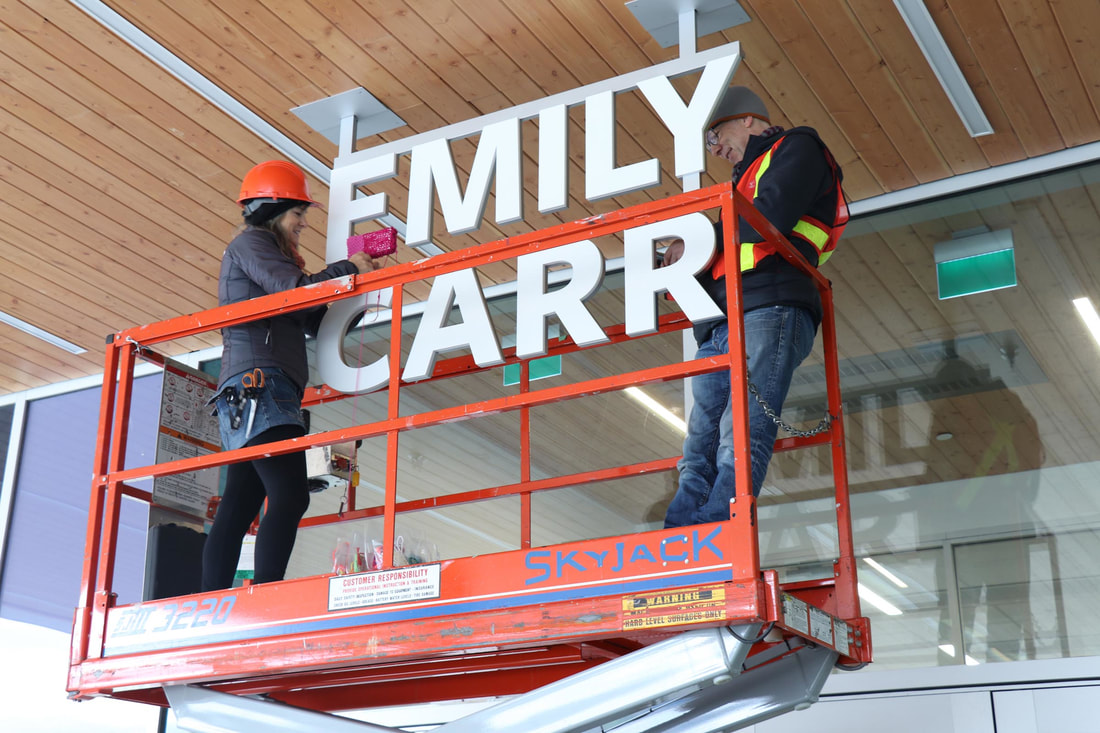
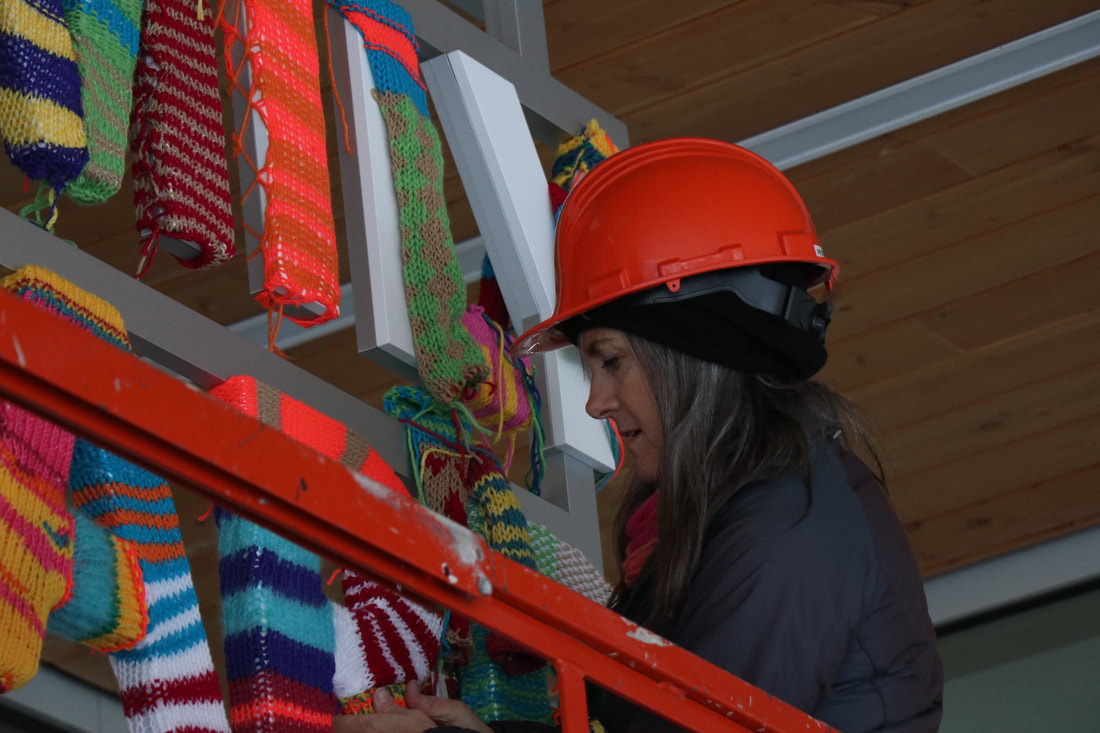
As I busied my freezing fingers with the stringy stuff (in hard hat, on the Skyjack operated by design tech services maestro Brian) I kept an ear out for reaction. And it was good. Sharing the fuzzy intervention on social media (#craftivism, #subversivestitch etc.) reminds me that I am not alone in my need for needling authority. Indeed, this public performance includes behind-the-scenes connecting with my community of makers to collect their leftover yarn and thrift-store finds even before the main act. (You know who you are.)

Textile interventions in the public sphere have a way of provoking polarizing responses. Some love the often-chaotic hand-wrapping of colourful fiber; others view the crafty messing with architecture with disdain of all things cozy and crafty and engendered female. I liked the idea of having to wear a hard hat and working for four hours in a Skyjack, in the mode of construction workers in the immediate vicinity of my rapidly changing hometown, to complete my knitting job.


Picture
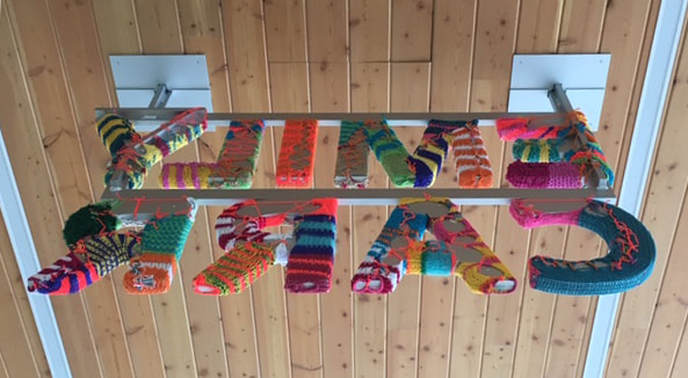
The reverse side of the Emily Carr Cozy, seen only from the interior of the school, is like the work behind the scenes in my making: chaotic, improvisational and maybe more interesting than the public side. (Carlyn Yandle photo)
A visual of the process, below. (All photos by Caitlin Eakins)
Comments

Wild, brilliant colour is rocking my concrete-grey foundations

11/17/2017

Comments

 
Picture
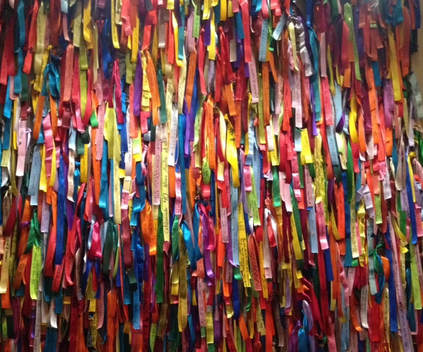
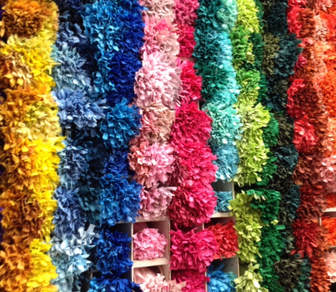
PictureA wall of a Peruvian restaurant in Merida, Mexico is devoted to customers' reviews written on ribbons. Carlyn Yandle photo
Modern science calls it bunk but I am fully on board with chromotherapy, an alternative medicine branded by the labcoats as a pseudo-science. The preferred term is photobiology now, an acknowledged science that includes the indisputable benefits of light therapy. I prefer the more mystical "chromotherapy" because it's less about rational explanations and more about feeling. And, for the synaesthesiasts (more specifically, those of us who experience chromesthesia), the beautiful music.

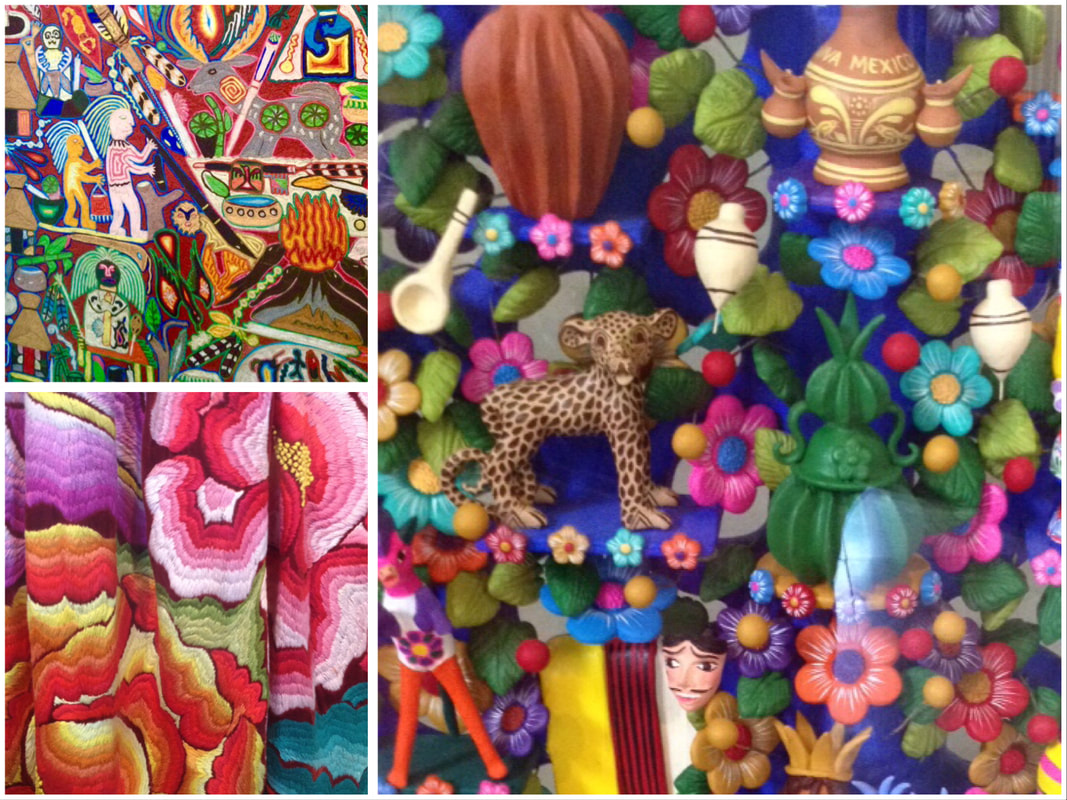
Consider these accompanying images from southern Mexico. Bask in the warmth of these visual fields of wild, intense, unrestrained, unleashed colour jumping out of our monochromatic devices.

PictureA sewing notions store display of zippers in Merida, Mexico. Carlyn Yandle photo
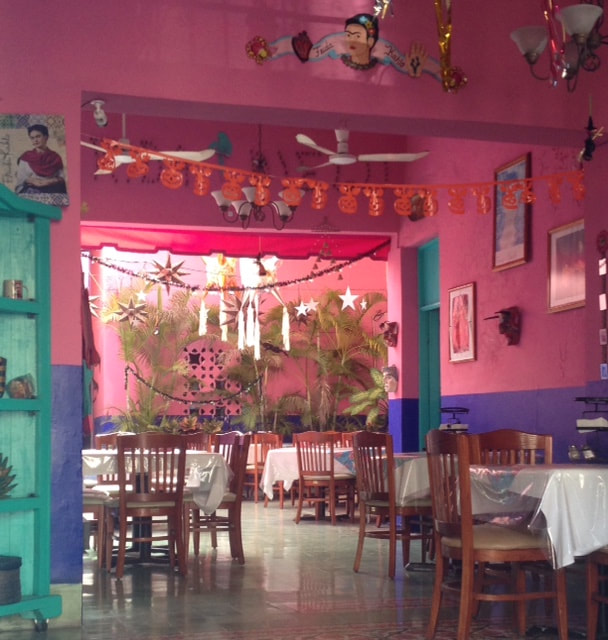
Still in my first couple of weeks here in the Yucatan, I am bobbing around the crowded city streets, slack-jawed at what just may be the direct opposite palette of a Vancouver B-Line bus on any given November rush hour. My outlook has shifted from a low-level, gunmetal-grey resignation to a hot-fuchsia/blood-orange exhilarating mixto, all from looking at the zipper selection in a notions shop (of which there are plenty and another reason for exhilaration), or a glimpse into a hot-pink and aquamarine courtyard restaurant.

But it's not all feel-good. I am seduced by vibrant art and I use it to seduce in my own making: first the beauty, then the crack in the beauty. It's working when I think, "This is pretty and pretty horrifying."

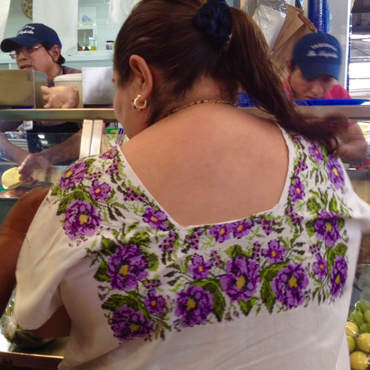
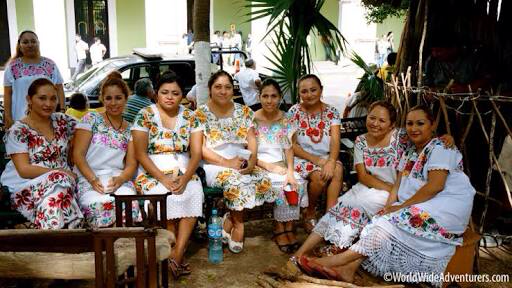
PictureBright, hand-stitched floral motifs on everyday clothing say more for the Mayans than "pretty." Carlyn Yandle photo
If colour didn't entice then Walt Disney could have saved himself the price of acres of paint and Disneyland would be just metal and asphalt. The superstore cereal aisles would look like a newspaper periodicals library. You get the monochromatic picture.

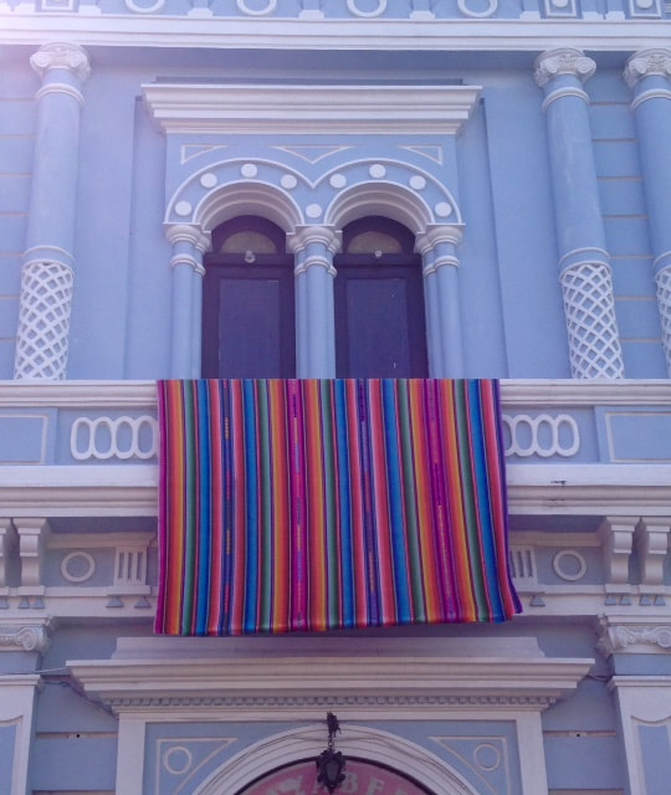
Colour is a social statement in the bright, face-framing embroidered embellishments around a huipil (blouse) worn by mainly older women, or the brilliant woven blanket hanging from a balcony of a colonial facade. There is some needling in all that needlework, but without the dazzling hues we might not clue into the significance.


All this visual heat here in the southern part of North America is creating my own little inner unrest, clashing with my northern hometown palette of bruisey skies infinitely mirrored through the city's colourless glass towers. My concrete-grey foundations are being rocked. And I like it.
Picture
A dazzling woven blanket appears to appropriate the space of colonialist architecture, in Merida, Mexico. Carlyn Yandle photo
Picture
Courtyard restaurants in Merida's downtown entice diners with fiesta-hued interiors. Carlyn Yandle photo
Comments

A beautiful craftivism in a flowery part of the world

11/8/2017

Comments

 
Picture
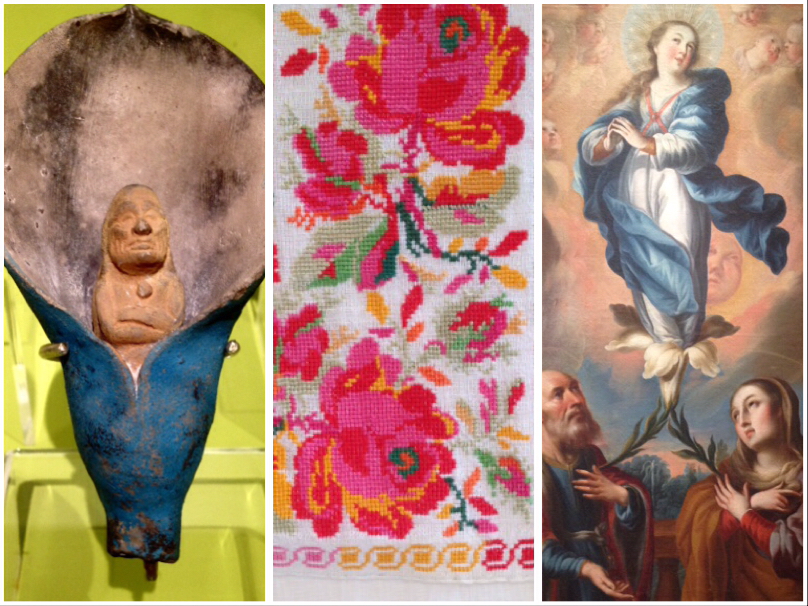
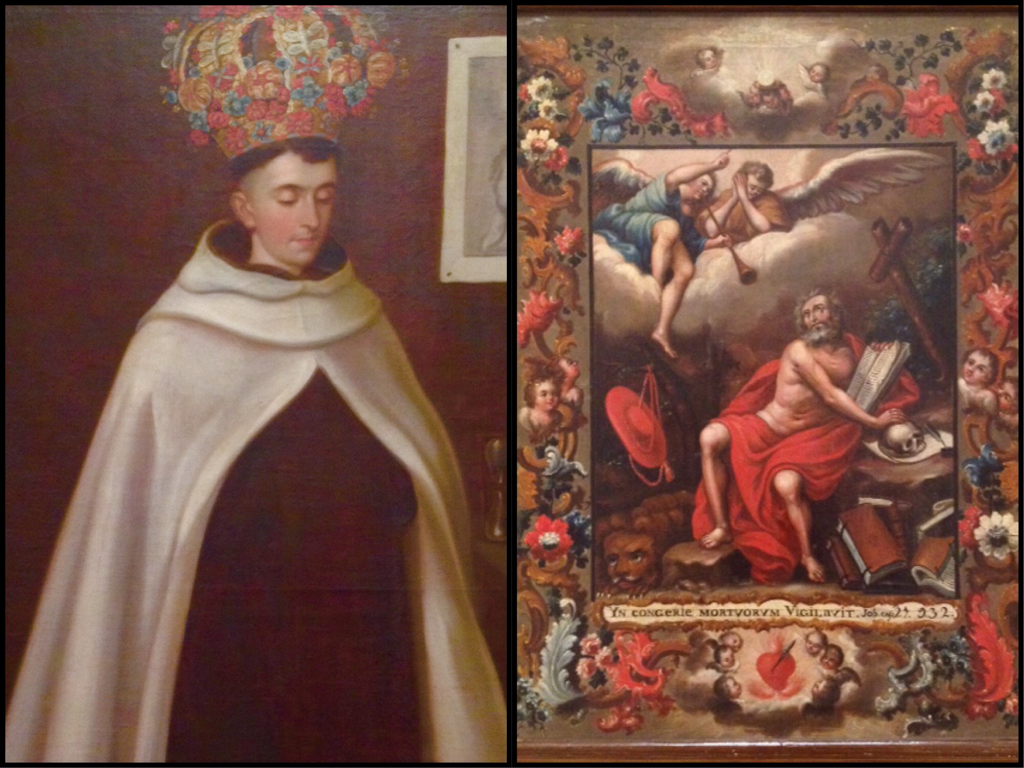
MORE THAN DECORATION: Flower images carry deep cultural significance for the Maya. Left: A figure dating from 600-900bc nestled in a lily. Centre: Needlepoint detail from a huipil (top), part of a traditional everyday dress. Right: Jesus emerging from a lily in an oil painting of the Immaculate Conception. Carlyn Yandle photos
I've made it my mission to shake things up by injecting the handmade domestic — doilies, quilts, sweaters and rugs — into austere, authoritative spaces and places, from pristine galleries to sketchy undersides of my city, pushing back on everyday misogynistic descriptors like 'girly' or 'old-lady' or the slightly derogatory 'frou-frou' and 'flowery.'

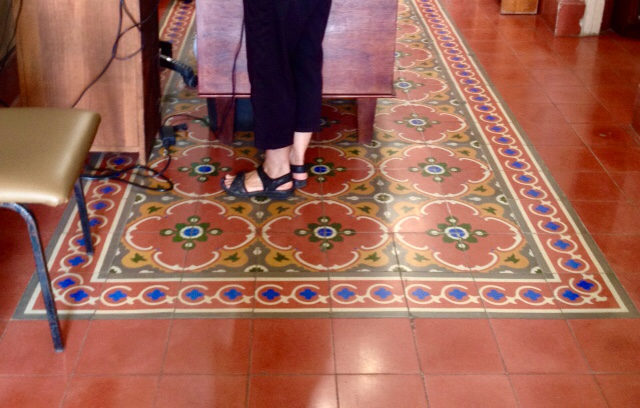
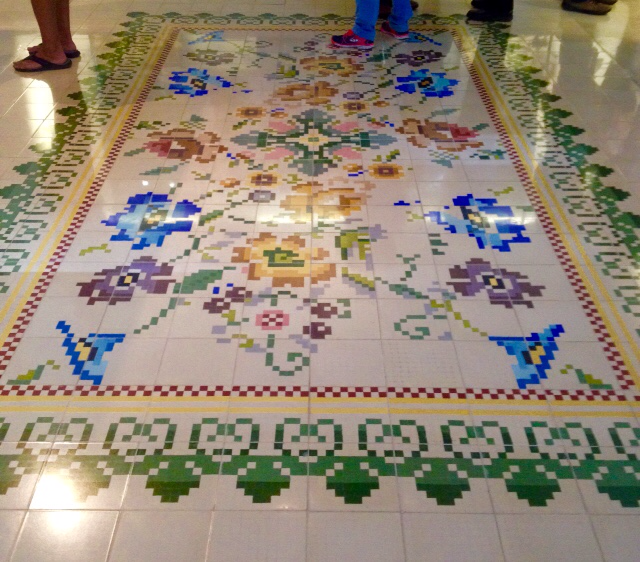
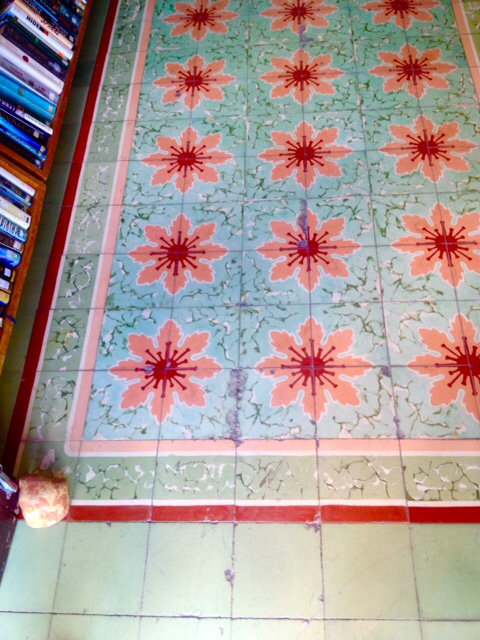
Then I landed in Merida, Mexico, last week where there is no fight against things flowery and archetypical feminine. Here in the capital of the Yucatan state and the ancient Maya culture (not dead but flourishing against all odds, by the way, like Canada's indigenous people) the streets are a flowery visual field of richly needleworked garments and handmade decorative traditions woven throughout the city, from tiled floors to architectural details and murals.
Above and far right: Carpet-like ceramic tile floor artworks are more than decorative. At left, a four-petal flower signifies universal realms; Centre: Merida's impressive El Gran Museo Del Mundo Maya pays tribute to the importance of the handmade floral motif in one of its exhibit salons. Carlyn Yandle photos


Flowers are so sacred and symbolic in the highly complex Maya culture that the Franciscan missionaries, in service of the Catholic Church, appropriated specific flower designs in their battle for their souls, in a cultural war of the roses (and lilies and other healing, spiritually-weighty blooms).
Picture
Left: This rare depiction in oil of Fray Francisco de Santa Ana appeals to the Mayan sense of the sacred. At right, typical religious imagry is embellished with rich floral motifs in a visual appropriation of Mayan culture. Carlyn Yandle photos
Coming from the land of yoga pants, I'm fascinated by this idea that an acceptable form of everyday dress is one's own hand-stitched art piece in the form of brightly-coloured cultural patterns of flowers on white cotton or linen tops and tunics, over an underskirt edged in a thick band of white lace.


No made-in-China. No apologies, no fading away.
Picture
Comments

Gritty beauty seen in foundations of this pretty city

2/28/2017

Comments

 
Picture
It feels like the Internet has killed the fun of taking snapshots of beautiful cities and people. So many times over the last four months in Mexico I've raised my camera (phone) to capture an impressive bronze sculpture or some baroque church facade then thought: This is pointless. A Google-image search with a few key words (Guanajuato, musicians, Don Quixote, Pipila) would produce hundreds of better-quality stock photos. We're saturated in instagrammable images. I miss those old pocket travel photo albums.

This might explain all the selfie sticks threatening to take your eye out in the crowded plazas on any given night here; putting yourself in the picture with all the famous stuff behind will guarantee a unique photo.

So I have very little in terms of a photographic record for my time here. Every view of the strolling musicians in the plazas, or the teenage girls decked in ballgowns for their quinceanera (debut) parties, the food vendors, the street singers dressed in Renaissance-style hose and puffed velvet jackets are already done. So done.

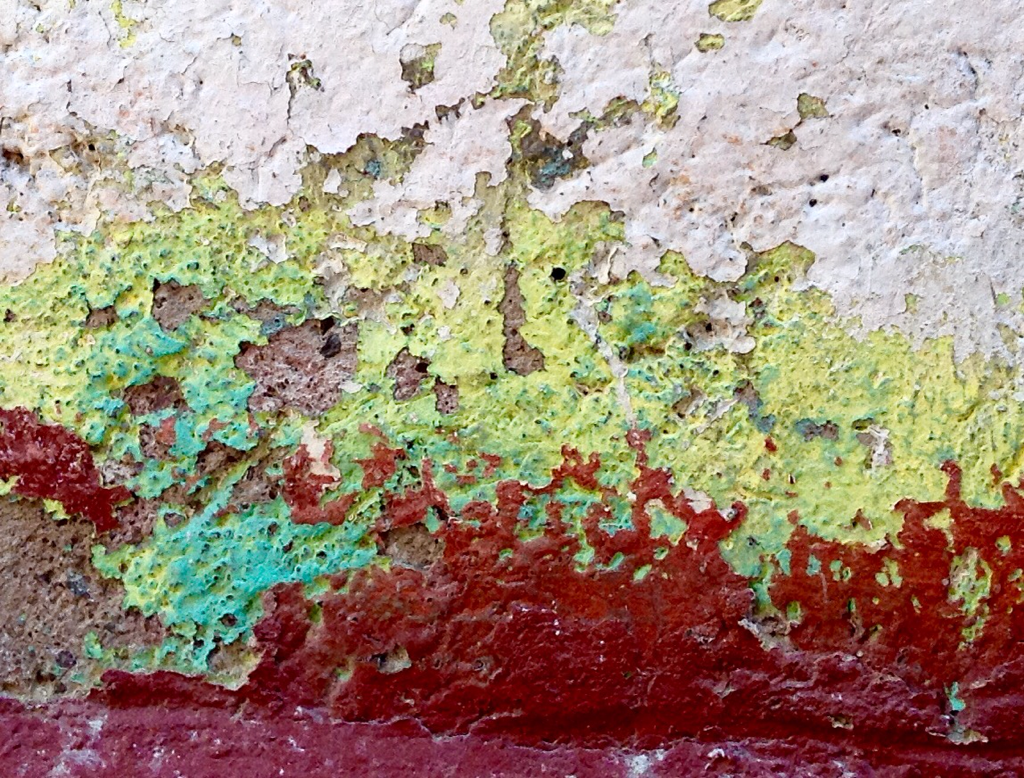
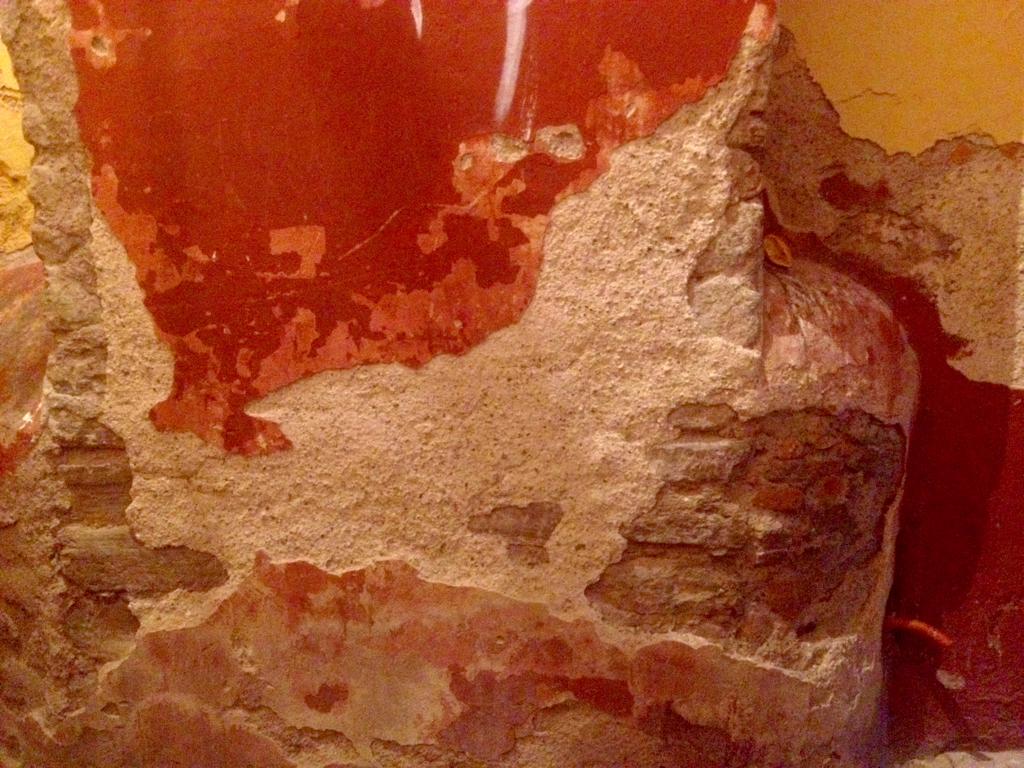
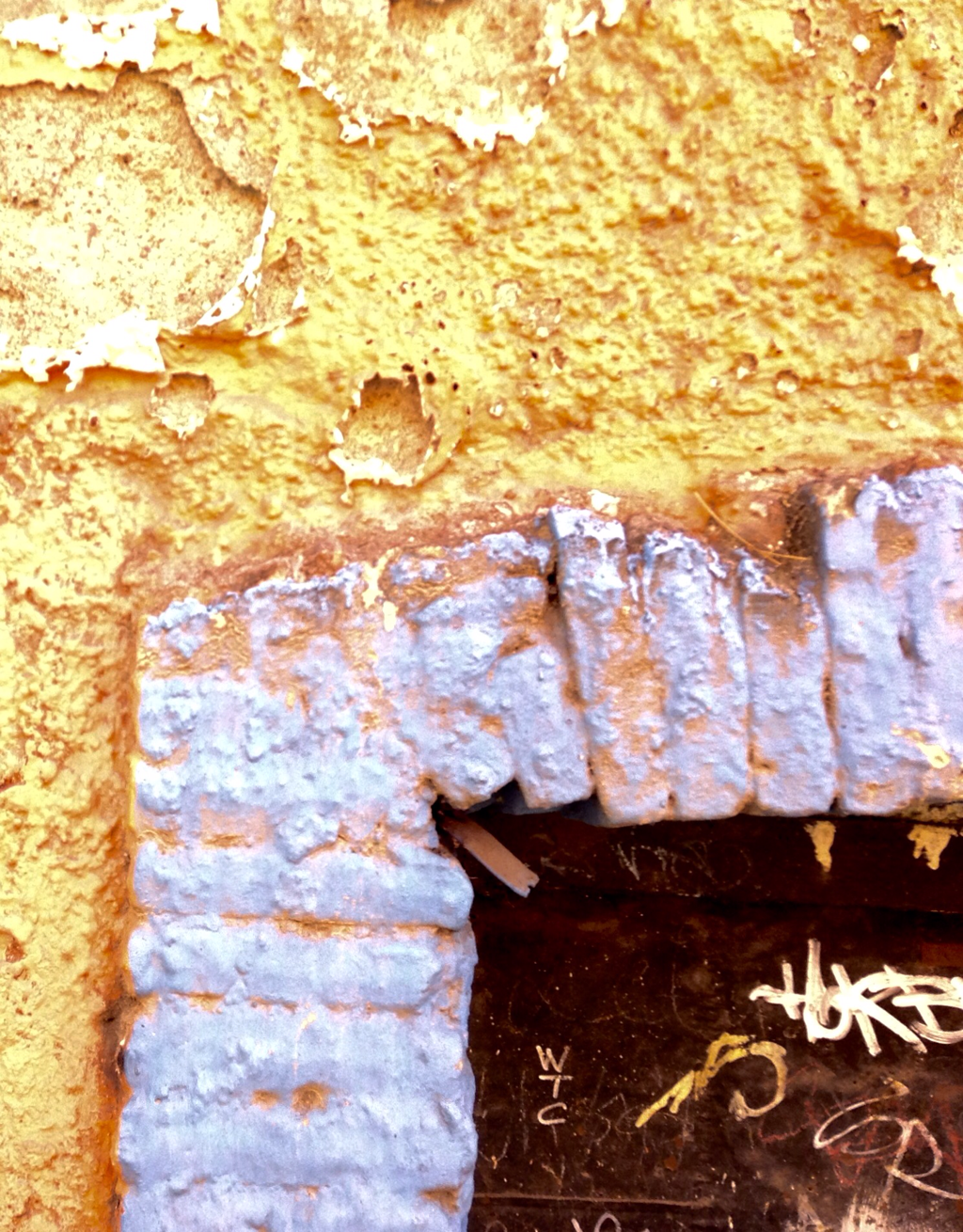
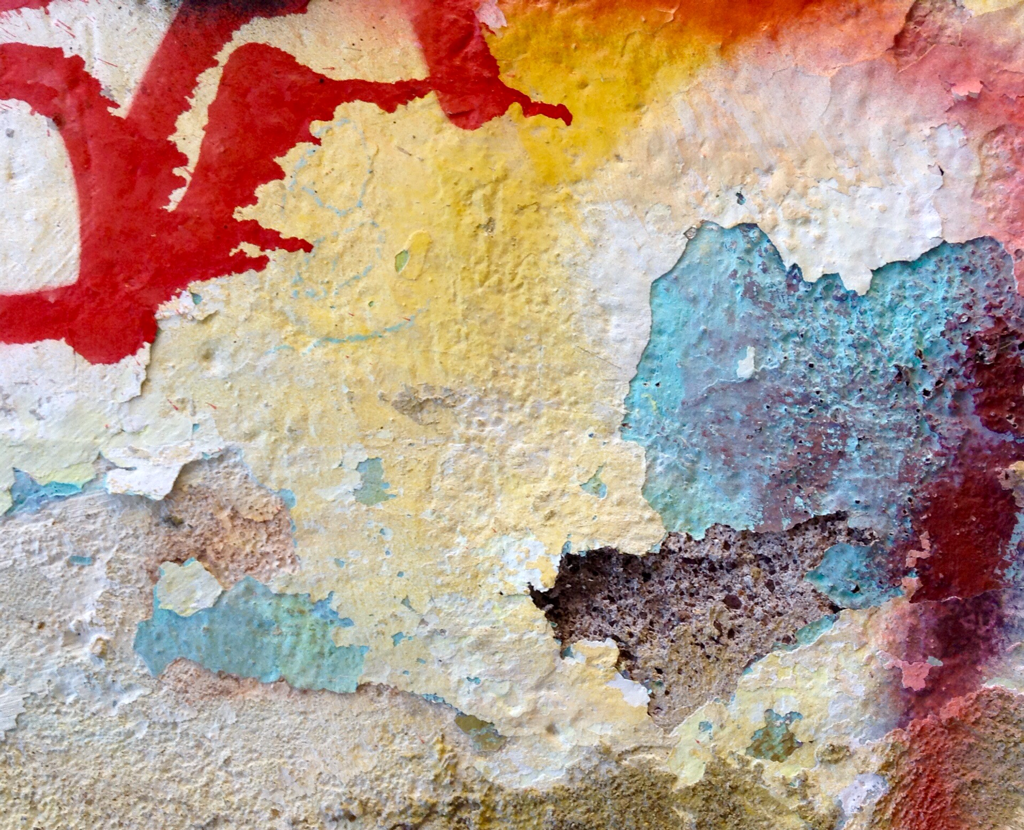
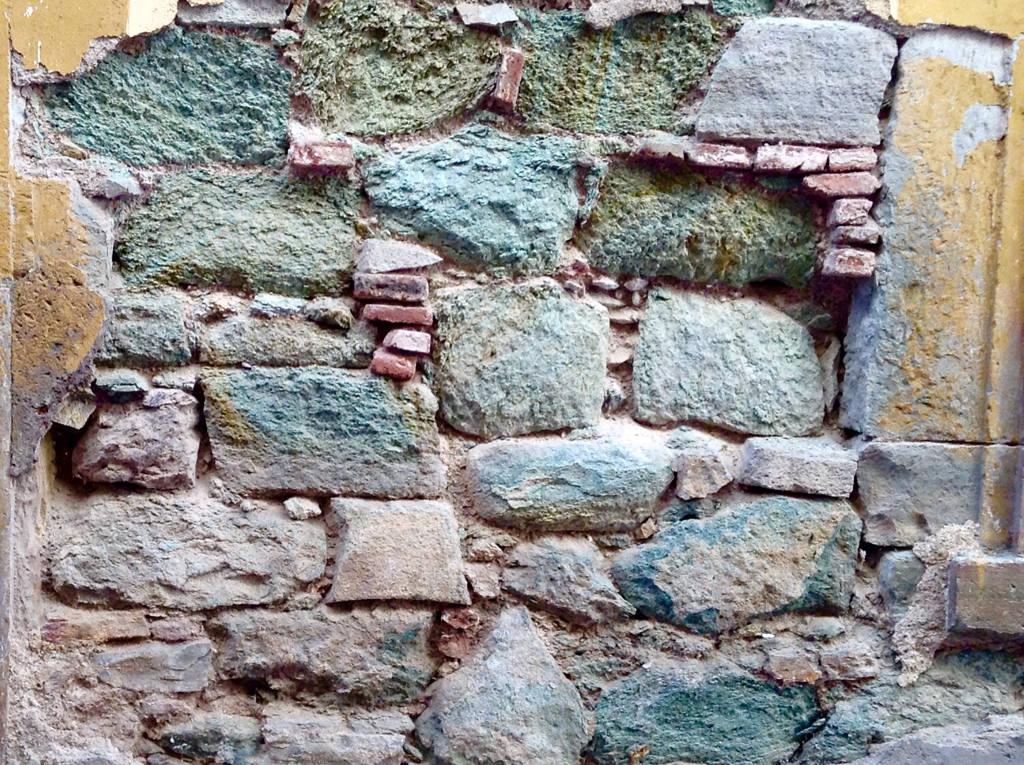
Then last week I finally started to see that the one signature-Guanajuato element that I've been captivated by is actually a worthy photo subject: the retaining walls that barely seem to be holding back the jumble of colourful, cubic houses clinging to the surrounding hills.

There's a compelling visual story in those layers of peeling paint on crumbling plaster on adobe bricks stacked on crudely cut limestone foundations. The traces of human activity in one section of wall speaks to the human habitation in this city that has its roots in the 1500s. It's quite a study in social history and handwork, an unplanned, almost invisible beauty, especially to a tourist whose port town of Vancouver has been replaced by a gleaming, pristine city of glass.

I'm seeing them as found abstracts, images of unintentional collages and mixed-media works by generations of people who work with their hands.
​
Picture
Picture
Picture
Picture
Comments

Painting to Capture the rapture in the everyday

10/16/2015

Comments

 
Picture


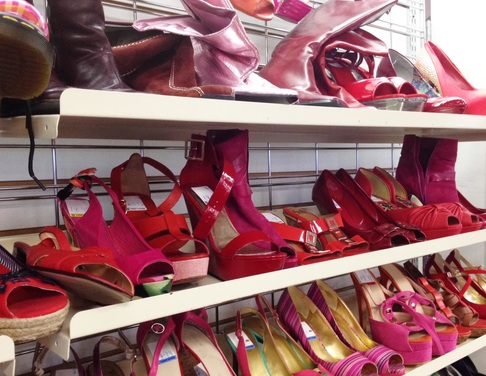
Gotta love Salvation Army and the staff's peculiar display choices. Every other store would break up all the retail items so each one looks unique, but at my local Salarmy they sort by colour, making finding your size sort of a crapshoot. But oh, that visual field! Those collections make my eyes feel like they're turning into those cartoon black-and-white hypnotizing wheel things.

Picture
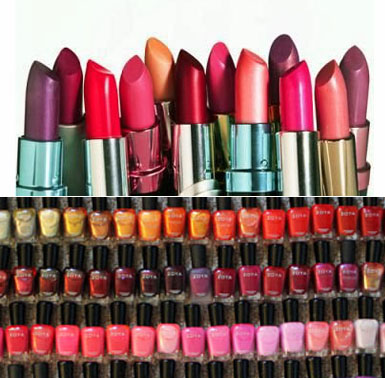
Same thing at the MAC counter or the Shoppers Drug Mart cosmetics aisle. I don't have much use for all the lipsticks and nail polishes but I will go out of my way to pass those vibrating, too-exciting colour grids of reds, oranges, pinks, purples, golds. Rosy rows that that set the soul a-glow!

 I am inspired. I take photos, I go to the studio. I try to find that colour-field rapture.

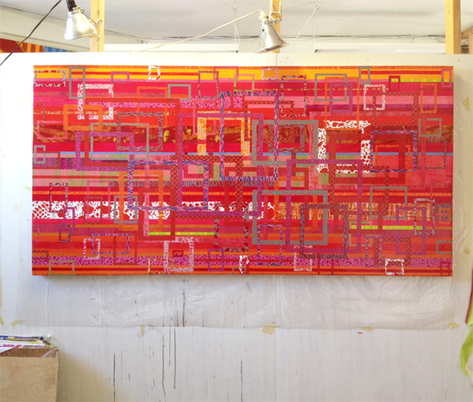
PictureDistracts: Big Red, 2015. Acrylic on canvas, 72" X 36"
It's all too exciting, too exhilarating and just the thing for stopping my useless 'what if' and 'if only' thinking — or the screen-peering and pecking.

This latest painting might be better titled, Stop Sign, a visually loud/silent call to "Don't just say something, stand there."

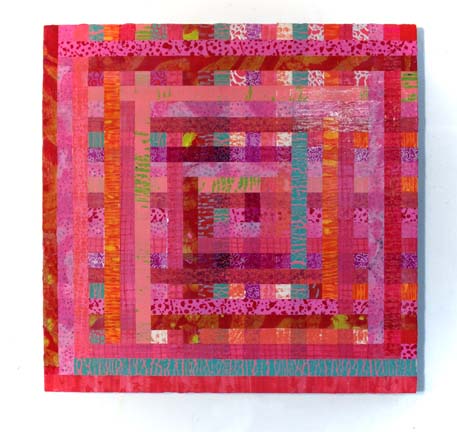
But I will stick to Big Red, part of my ongoing Distracts series. Part meditation, part endurance test, part quilting, part painting, as fractured and distracting as our accelerated world.

Comments

Shab-fab granny squares cover it all

1/16/2015

Comments

 
Picture


Maybe it's the chilly monochromatic climate at work here, but I'm suddenly wrapping myself up granny squares. The more I think about them, the more potential I see.

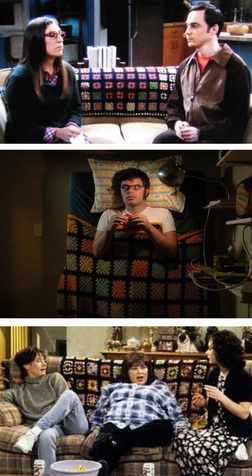
There's a lot of culture woven into those fuzzy little colour grids. They're there in the background of popular culture, infusing irony and cozy home-yness, nostalgia and disdain. One graces the couches of neuroscientist Amy Farrah Fowler's nerdy apartment and Roseanne's working-class house. Jemaine sleeps under one  (badly).

Sure, they achieve that soupçon of shabbiness or tastelessness essential to the story but those set decorators are no idiots; granny squares inject hits of high colour and pattern to the visual field. They are trippy, decorative non-decor objects. Their form is used because of their assumed function over form. 

Picture
They are the throws that are thrown around, their colourful geometry reflected and refracted so that they radiate western domestic culture, love it or hate it.

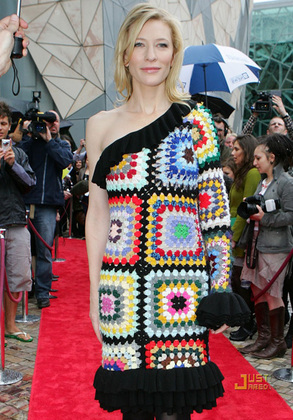
Cate Blanchett adorned a designer version on the red carpet, to a chorus of derision by the fashion police, which secured the actress more publicity. 

There's something delicious in the mix between haute couture and the easy, scrappy crochet method that results in over 13,000 Etsy items under the search term, "granny squares".

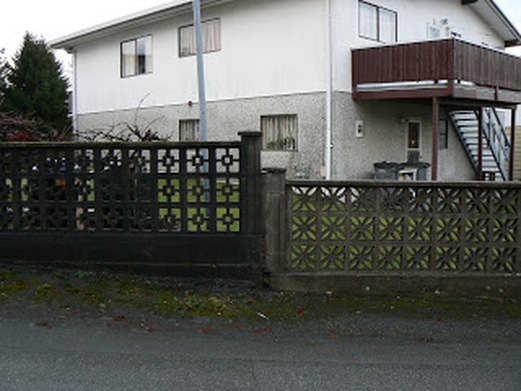
I've loved/hated granny squares ever since my cousin and I were given matching shrink vests at age 10, from our moms. I would have been wearing that single, large purple granny square at a time when the Italian dads in the neighbourhood were setting up that granny-square pattern in concrete breeze walls around their brand new Vancouver Specials. 


PictureOne breeze wall in a photo essay by the author of joy-n-wonder.blogspot.ca
Like the blankets, the breeze walls evoke utility and thrift but are visually interesting enough to warrant new consideration. The modularity of granny squares and breeze-wall blocks ooze with potential, especially as a mash-up.

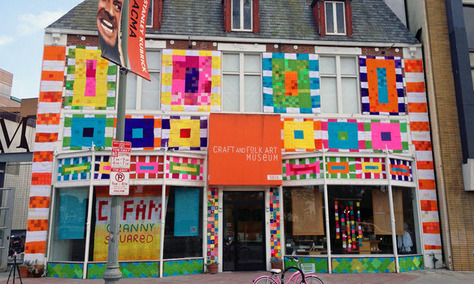
Granny squares command attention. The Los Angeles Craft and Folk Art Museum took on new dimensions when it was covered in thousands of donated granny squares as part of its CAFAM Granny Squared installation a couple of years ago. 

Picture
Suddenly, a city that is generally at odds with notions of the handmade, the domestic and the artisanal was attracting mainstream media attention for its collaborative crocheted culture jam.

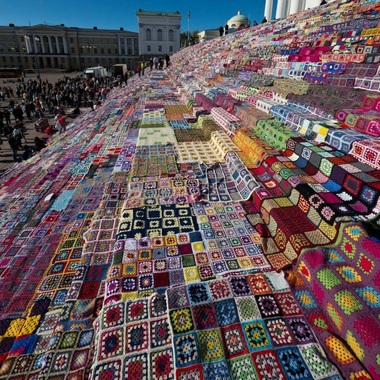
A couple of years before that, in 2011, members of many Finnish women's organizations and the craft teachers' union blanketed Helsinki Cathedral's steps in 3,800 granny square tilkkupeitosta (Finnish for 'quilt').

Picture
The modular motif marries beautifully to existing architecture, as the granny squares take on a Tetris effect, cascading down to the giant public square in this domestic intervention.

But what about the granny square as a building block itself? What if a building appeared to rise out of a giant crocheted coverlet? How could concretized crocheted granny squares be utilized as sculpture?

It's a fuzzy concept worth building on.


Comments

Inspiration from those who make it, through Crassmas

12/12/2014

Comments

 
It's not too late to say, Nay! I will not be coerced into this coming two-week commercial frenzy. I will steer my little ship into calmer waters! 

Instead of joining the throngs of harried consumers grabbing up plastic chocolate-pooping reindeer and ironic acrylic Christmas sweaters it's possible to turn all this Excessmas into Makemas — not to make gifts necessarily but just to make for the sake of it.
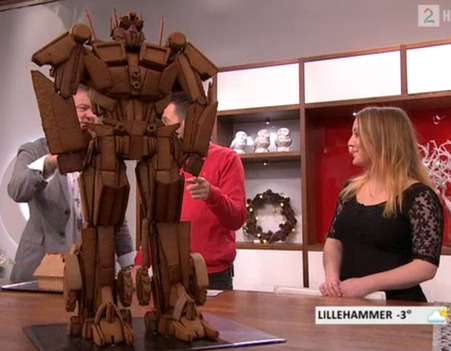
PictureEriksson's home-baked sculpture earns her a TV interview on God Morgen Norge.
Seasonal materials — gingerbread, sugar, snow and ice, fir boughs, candy, lights — get makers going. What starts with a simple plan to make, say, a gingerbread house, can develop into astonishing works.

Norwegian maker Caroline Eriksson took it to new heights last year when she devoted a week and a half of full-time making to compose this Optimus Prime (which really should have been called Insulin Prime). There are 700-800 pieces in this Pepperkokemann — which sounds really funny when you say it out loud. (via gizmodo) It's nerdy but there's something in all that cookie dough that evokes a delicious back story about a sweet gingerbread house that breaks out to lead the Autobot rebellion.

Picture
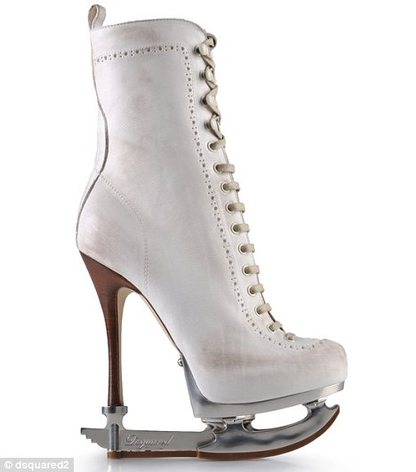
Jacking up this surrealist season is Toronto fashion shock-rockers Dean and Dan Caten(acci) of DSquared2, who created these spike-heel ice skates a couple of seasons back.

I remain captivated by this very-Canadian wearable sculpture that the makers had the nerve to put into a product line, further blurring the line between surrealism and consumption. The power it has to create so much scorn says something about a culture immersed in acquisition over contemplation of an object. Adding to the cultural weight of this object is in the potential for performance art by the user.

Picture
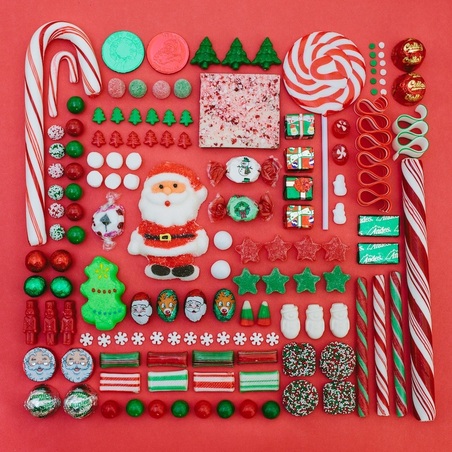
Austen, Texas artist Emily Blincoe packs a weighty punch into the empty calories of her Color Coded: Sugar Series.

A surprising recategorization of common objects or materials invites a re-think about those objects. A glut of candy organized by colour draws the viewer's attention into issues like marketing, excess, presentation. consumption and value. This fetishistic display of tooth-rotting, diabetic-seizure-inducing "food" endures as long as the no-expiration dates.

But when it's all too much (as Glaswegian Granny used to declare, on surveying the freshly unwrapped loot), we makers head for the woods. Or the beach — anywhere you won't hear the Chipmunks or Michael Buble or Mariah Carey droning seasonal mall music.

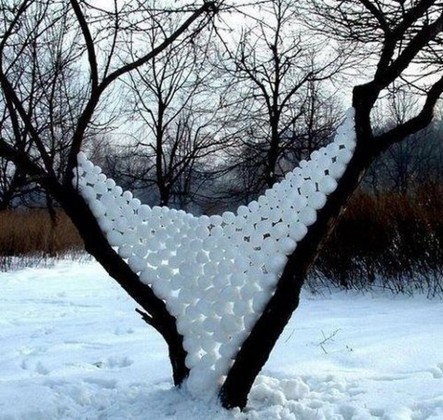
PictureA snowball installation speaks the language of textile art. (from cecageorgieva.blogspot.ca)
Making is also meditative.

Textile artist Ceca Georgieva, of Sophia, Bulgaria, works in the natural world, creating time-intensive land art pieces. This snowball installation exudes quietude and fragility, created through a repetitive process that evokes the kind of attention and meditation involved in textile art.


The impermanence of the piece, the precarious balance makes it an intriguing moment in time. Soon it will all blow over and we can start anew.


Comments

A Season of snarls

7/11/2014

Comments

 
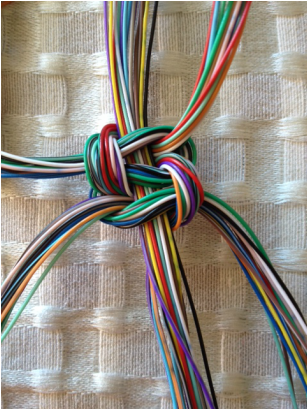
PictureMacrame-ing cable wire. Carlyn Yandle photo
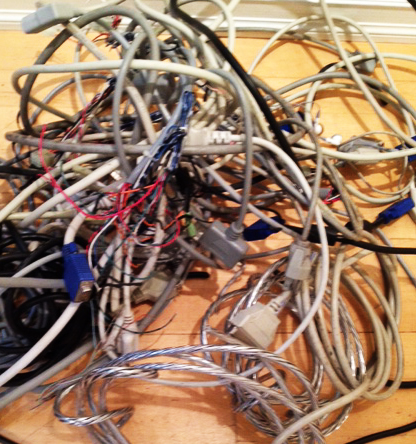
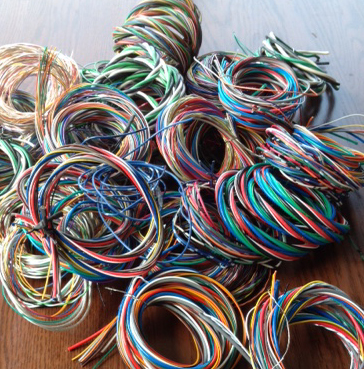
A big shout-out to the recycling staffer at my local Return-It depot who painstakingly went through a bin full of snarls of computer cables to select the ones with the most colourful clusters of wire for me.

I find it tough to march right into these kind of dirty, noisy man places but a girl's gotta do what she needs to do for her art. And I needed some cables to macrame for an upcoming show.

I'm in love with cable wire because it almost vibrates with the culture of our times and can be used in place of and in reference to traditional fibers. It's in overabundance (wireless home - hah!) and really pretty.

But to get it you've got to do some shucking. And this is how I came to spend many of these past fine days decapitating each, uh, connector-plug thing, skinning the plastic conduit with an X-acto knife, pulling away insulating woven aluminum or cellophane wraps and bundling the colourful clusters into skeins. (Below: before and after.)

PictureFlorence, Italy-based artist Kasey McMahon's life-sized 'Connected.'
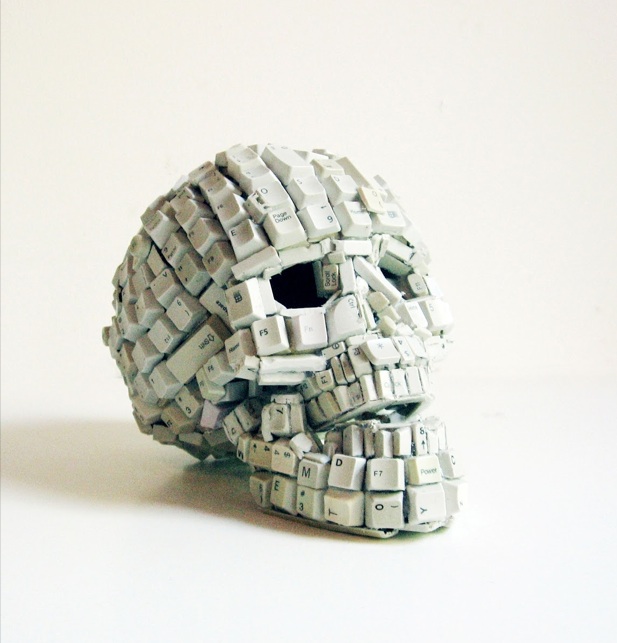
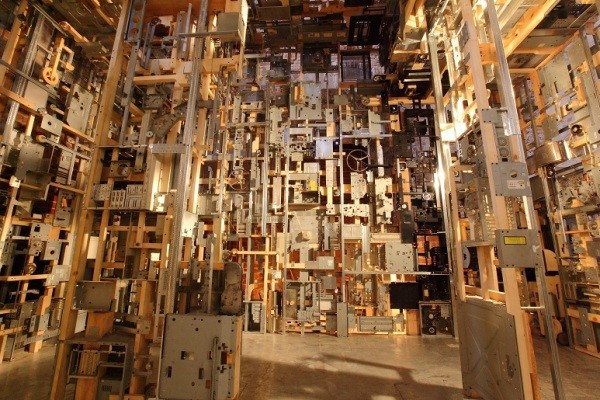
I can't resist mixing traditional fiber arts with industrial materials as a starting point and letting the materials kind of take over, shaping concepts. Sure, you could make a few bracelets or wrap a few light fixtures with the stuff but the power of the mountains of those wires, cables, old plastic laptops and toxic dead rechargeable batteries resonates with issues of globalization, environmental hazard, over-work and over-connectedness. Yum!

No surprise that there is an emerging — no, burgeoning — genre of sculptural and installation work that uses tossed computer bits to evoke those themes.

Below left, Democratic Republic of Congo artist Maurice Mbikayi's "Anti-social Network I" is one in a series of works that attempts to grapple with his "digital demons." Below right,  it took Polish sculptor Marek Tomasik three years to install an enclosure composed of old computer parts in a 14th Century castle in Poland.

Comments
<<Previous
    Cross-posted at
    carlynyandle.substack.com

    browse by topic:

    All
    Abject
    Abstract
    Abstract Embroidery
    Abstraction
    Abstract Painting
    Abundance
    Accumulations
    Acrylic
    Activism
    Additive
    Aesthetics
    Agency
    AgentC Gallery
    Aging
    Alison Woodward
    Aluminum
    Amanda Wood
    Anxiety
    Appropriation
    Arcade Fire
    Architecture
    Arleigh Wood
    Art
    Art Activism
    Art Blog
    Art Business
    Art Discourse
    Art History
    Artifact
    Artist
    Artist Residency
    Artist Statement
    Artist Talk
    Art Marketing
    Art Quilt
    Arts And Crafts
    Art School
    Art Show
    Art Spiegelman
    Assemblage
    Author
    Banksy
    Bauhaus
    Beauty
    Betsy Greer
    Big Data
    Billy Patko
    Binding
    Blogs
    Blog Tour
    Bob Krieger
    Body Of Work
    Books
    Boro
    Braided Rug
    Braiding
    Bruce MacKinnon
    Bruce Mau
    Building
    Bull Kelp
    Burlap
    Business
    Buttons
    Canadian Artist
    Carlyn Yandle
    Caroline Eriksson
    Cartoon
    Ceca Georgieva
    Challenge
    Charley Yandle
    Children
    Christmas
    Cindy Sherman
    Circular Thinking
    Cirque Du Soleil
    City As Site
    City Planning
    Cityspace Gallery
    Clay Yandle
    Climate Change
    Cluster
    Cob
    Cob Oven
    Collaboration
    Collage
    Collection
    Colonialism
    Color
    Colour
    Commission
    Community
    Community Building
    Composition
    Conceptual Art
    Conceptual Craft
    Connection
    Connie Sabo
    Construction
    Coronavirus
    Cosplay
    Costume
    Counter Culture
    Counter-culture
    Cover
    Cover-19
    Covid
    Craft
    Craft Blogs
    Craft Camp
    Craftivism
    Crafts
    Craftsmanship
    Creative Process
    Critique
    Crochet
    Cross-stitch
    Cultural Hub
    Cultural Studies
    Culture
    Culture Jamming
    Culturejammingc9d75664fd
    Current Conditions
    Cycling
    Dafen Village
    Dallas-duobaitis
    Dance
    Data-graphic
    Data-graphic
    David Weir
    Dear Human
    Decorations
    Deep Craft
    Denim
    Denyse Thomasos
    Design
    Digital Art
    Discomforter
    Display
    Dissent
    Distraction
    Distracts
    DIY
    Doilies
    Doily
    Domestic
    Domestic Interventions
    Douglas-coupland
    Draw Down
    Drawing
    Dressed
    Drip By Drip
    DSquared2
    Dude-chilling-park
    Dyeing
    Dystopia
    Eastend
    Eastside Culture Crawl
    ECUAD
    ECUAD MFA
    Editorial
    Edward Burtynsky
    Eggbeater Creative
    Embellishment
    Embroidery
    Emily Blincoe
    Emily Carr Cozy
    Emily Carr University
    Entanglements
    Environment
    Environmental Art
    Exhibit
    Exhibition
    Expanded Painting
    Experimentation
    Exploration
    Expression
    Fabric
    Fabricating
    Fabrication
    Facebook
    Failure
    Fashion
    Fashion Revolution
    Fast Fashion
    Feminisim
    Feminist
    Feminist Art
    Festival
    Fiber
    Fiber Artist
    Fiber Arts
    Fibre
    Fibre Arts
    Film
    First Saturday Open Studios
    Flo
    Flow
    Forage
    Foraging
    Form
    Form And Function
    Foundlings
    Found Materials
    Found Objects
    Fractal
    Fracture
    Free Store
    Fuckwit
    Fuzzy Logic
    Gallery
    Gallery-row
    Garden
    Gardening
    Garment
    Gathering
    Gentrification
    Geometric Art
    Gill Benzion
    Gingerbread
    Globalization
    Glue
    Goblin Core
    Grad 2020
    Graffiti
    Grannycore
    Granny Square
    Granville-island
    Green Space
    Grid
    Grief
    Guanajuato
    Guerrilla Art
    Guerrilla Girls
    Halloween
    Handmade
    Handmaking
    Hand Stitching
    Hand-stitching
    Handwork
    Hashtags
    Haywood Bandstand
    Healing
    Health
    Hearth
    Heirloom
    Hideki-kuwajima
    Hoarding
    Homelessness
    Homemade
    Hot Art Wet City
    Housing
    Hybrid Thinking
    Ian Reid
    Ian Wallace
    Ideas
    Identity
    Images
    Imagination
    Immersive Art
    Improvisation
    Incomplete Manifesto For Growth
    Industrial Design
    Industry
    Innovation
    Inspiration
    Instagram
    Installation
    Installation Art
    Intervention
    Intrusive Thoughts
    Invention
    Irena Werning
    Ironing
    Janet Wang
    Jeans
    Jeff Wilson
    Joel Bakan
    Joseph Beuys
    Joseph-wu
    Journalism
    Joyful Making In Perilous Times
    Joyfulmakinginperiloustimes
    Judith Scott
    Kamala Harris
    Kids Art
    Kim Piper Werker
    Kimsooja
    Kintsugi
    Knitting
    Knots
    Knotting
    Kyoto
    Labor
    Labour
    LA Fires
    Landon Mackenzie
    Landscape
    Leanne Prain
    Lecture
    Lighthouse
    Linen
    Liz Magor
    Log Cabin
    Logo Sweater
    LOoW
    Lost Painting
    Lumiere Festival
    Lynda Barry
    Macrame
    Maker
    Making
    Making Is Connecting
    MakingIsConnecting
    Malcolm Gladwell
    Male Gaze
    Mapping
    Maquette
    Marie Kondo
    Marine Palette
    Marketing
    Mark Lewis
    Martha Rosler
    Martha Stewart
    Masks
    Material Exploration
    Mathematics
    Maya
    Media
    Meditation
    Meditative
    Mending
    Mend In Public Day
    Mental Health
    Metalworker
    MFA
    Mister Rogers
    Mixed Media
    Mobile Art Practice
    Monique Motut-Firth
    Monster
    Monte Clark
    Mosaic
    Motivation
    Mt. Pleasant Community Centre
    Mud Girls
    Mural
    Mushroom
    Mycelium
    Narrative
    Natalie Jeremijenko
    Nature
    Needlework
    Neon
    Net
    Network
    Networking
    Neuroplasticity
    New Forms Festival
    Newspapers
    Nick Cave
    Noah Goodis
    Nodes
    North Vancouver
    Obtrusive Thoughts
    Omer Arbel
    Online Talk
    Openings
    Organization
    Origami
    Overabundance
    #overthinking
    Paint
    Painting
    Pandemic
    Paper
    Paper Sculpture
    Papier Mache
    Parkade Quilt
    Patchwork
    Patriarchy
    Pattern
    Pecha Kucha
    Pechakucha
    Perception
    Perfectionism
    Performance
    Performance Art
    Personalispolitical
    Photography
    Playing
    Political Art
    Political Satire
    Polly-apfelbaum
    Pompidou
    Poodle
    Pop-Up
    PopUp
    Port Coquitlam
    Portrait
    Practice
    Process
    Production
    Profession
    Project
    Protest
    Protest Art
    Psychedelic
    Public Art
    Pussy Hat
    Pussy-hat
    Qr Code
    Quilt
    Quilt Block
    Quilting
    Quilt Painting
    Rachael Ashe
    Rachel Lafo
    Ravages
    Raw Materials
    Rebar
    Recycle
    Recycling
    Reflection
    Reflektor
    Reimagine
    Renewal
    Repairing Is Caring
    RepairingIsCaring
    Repetition
    Research
    Residency
    Resistance
    Resurge
    Retreat
    Re-use
    Rhonda Weppler
    Richard-tetrault
    Richmond Art Gallery
    Right Brain
    Rondle-west
    Roses Against Violence
    Rote Activity
    Rug
    Ryan-mcelhinney
    Safe Supply
    Safety
    Sampler
    Sarah-gee-miller
    Sashiko
    Saskatchewan
    Scaffolds
    Scaffolds I
    Scale
    Scraps
    Sculpture
    Seasonal Decor
    Seattle Art Museum
    Seaweed
    Seismic Rug
    Semiotics
    Sewing
    Seymour Art Gallery
    SharingIsCaring
    Sharon Kallis
    Shawn Hunt
    Shigeru Ban
    Sketchup
    Slow Craft
    Smocking
    Social Art
    Socialart
    Social Distancing
    Social Distancing Hat
    Social Engagement
    Social-engagement
    Social History
    Social Justice
    Social Media
    Soft Sculpture
    South-granville
    Space Craft
    Spore
    Stitching
    Storage
    Street Art
    Studio
    Styrophobe
    Substack
    Subversive Stitch
    Surrealism
    Surrey
    Tactical Frivolity
    Tactility
    Tagging
    Talking Art
    Tapestry
    Tatjana Mirkov-Popovicki
    Tattoo
    Teamlab
    Technology
    Terry Fox Theatre
    Text
    Textile
    Textile Art
    Textiles
    Thrifting
    Thrift Stores
    @tinypricksproject
    Tiny Pricks Project
    TJ Watt
    TO DO
    Tools
    Toronto Design Offsite
    Toybits
    Trash
    Trash Art
    Travel Art
    Trevor Mahovsky
    Trump
    Typography
    Tyvek
    Unbridled
    Unfixtures
    Unravel
    Upcycle
    Upcycling
    Urban Design
    Use Object
    Use Objects
    Utility
    Value Village
    Vancouver
    Vancouver Art Gallery
    Vancouver International Airport
    Video
    Video Tour
    Visual Artist
    Visual Field
    Visual-field
    Visual Language
    Wabi-sabi
    Wallace Stegner House
    Wall Hanging
    Waterwork
    Wearable Art
    Weaving
    William Morris
    Women's March
    Wood
    Wool
    Work Wraps
    Wrap I
    Wrap II
    Writing
    Xenobia Bailey
    Yarn Bombing
    YVR
    Zaha Hadid
    Zendoodle
    Zero Waste Art
    Zero-waste Art

    Archives

    January 2026
    December 2025
    November 2025
    September 2025
    May 2025
    April 2025
    March 2025
    January 2025
    December 2024
    November 2024
    October 2024
    September 2024
    August 2024
    July 2024
    June 2024
    October 2022
    August 2022
    June 2022
    November 2021
    April 2021
    September 2020
    April 2020
    December 2019
    November 2019
    September 2019
    August 2019
    July 2019
    June 2019
    April 2019
    November 2018
    July 2018
    May 2018
    November 2017
    September 2017
    June 2017
    April 2017
    March 2017
    February 2017
    December 2016
    November 2016
    September 2016
    July 2016
    March 2016
    February 2016
    January 2016
    December 2015
    November 2015
    October 2015
    September 2015
    June 2015
    May 2015
    April 2015
    March 2015
    February 2015
    January 2015
    December 2014
    November 2014
    October 2014
    September 2014
    August 2014
    July 2014
    June 2014
    May 2014
    April 2014
    March 2014
    February 2014
    January 2014
    December 2013
    November 2013
    October 2013
    September 2013
    August 2013
    July 2013
    June 2013
    May 2013
    April 2013
    March 2013
    February 2013
    January 2013
    December 2012
    November 2012
    October 2012
    September 2012
    August 2012
    July 2012
    June 2012
    May 2012
    April 2012
    March 2012
    February 2012
    January 2012
    December 2011
    November 2011
    October 2011
    September 2011
    August 2011
    June 2011
    May 2011
    April 2011
    March 2011

Powered by Create your own unique website with customizable templates.
Picture